Hammer Crusher vs Impact Crusher: What's the Difference and Which One Do You Need?
Thursday August-20 2026 13:54:10
For quarry and mining investors, choosing between an impact crusher and a Hammer Crusher Machine often has a significant impact on project profitability. The two machines look similar and both use high‑speed rotors to crush soft to medium‑hard rock. But in production, product quality, and operating costs, they play very different roles.
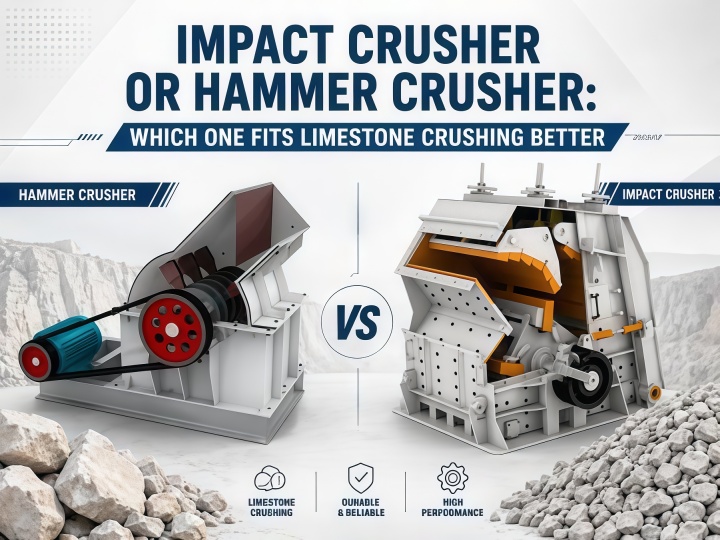
Quick Selection Guide:
Choose an impact crusher if: material compressive strength exceeds 200MPa, moisture exceeds 8%, or you need high‑quality aggregates for highways and concrete.
Choose a Hammer Crusher Machine if:material is soft, dry feed like limestone or coal, you have low particle shape requirements, and you want to save on initial investment. A heavy‑duty Hammer Crusher Machine can accept feed up to 1000mm and replace a jaw crusher plus impact crusher setup, saving about 40% on upfront equipment cost.
Our factory has many years of experience in crushing equipment, with products exported to Southeast Asia, Africa, South America, and other regions, serving hundreds of production lines worldwide. Below, drawing on real‑world cases from different climates and material conditions, we break down the real differences between the two machines.
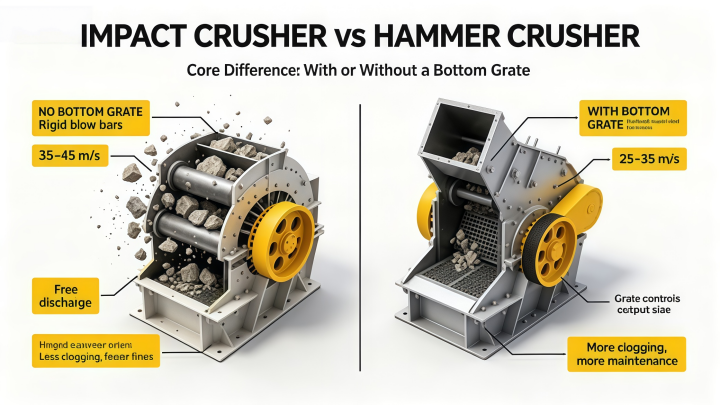
The Core Difference: With or Without a Grate
The most fundamental difference: the impact crusher has no bottom grate, while the hammer crusher has a bottom grate.
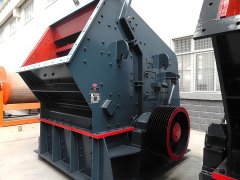
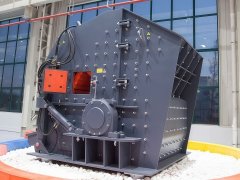
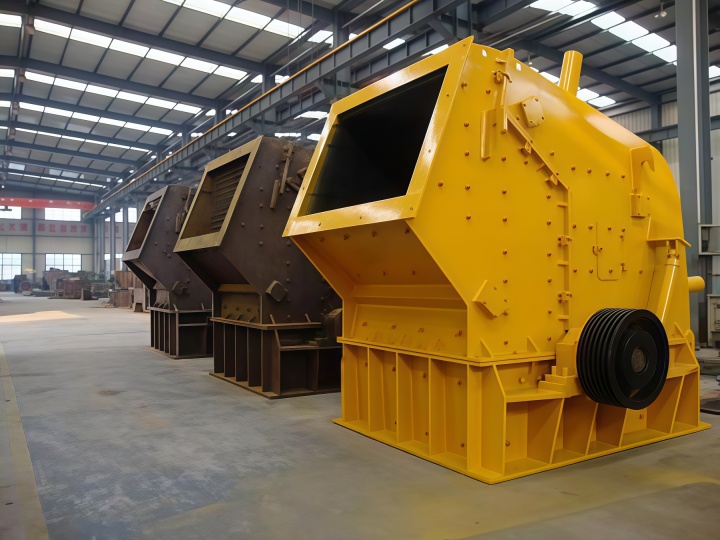
In an impact crusher, blow bars are rigidly connected to the rotor. Material falls onto the rotor where blow bars strike it at a linear speed of 35 to 45 m/s. A 300mm rock is hit head‑on at 40 m/s—it shatters on impact, and fragments are thrown against impact plates for secondary crushing. Material is crushed stage by stage in three impact chambers and discharged freely from the bottom with no obstruction.
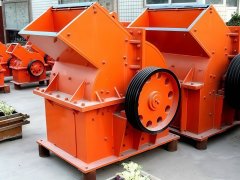
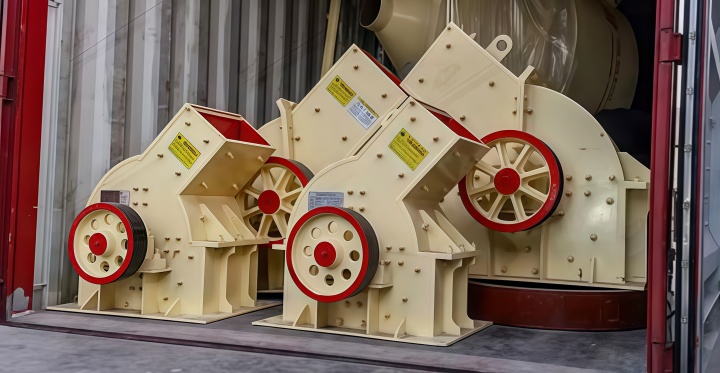
In a Hammer Crusher Machine, hammers are hinged on the hammer frame in a suspended state, with linear speed typically between 25 and 35 m/s. Material is struck by hammers and thrown against liners, but all material must pass through the bottom grate to be discharged. Oversized material is retained and repeatedly struck and ground until small enough to pass through.
This difference—with a grate versus without—is the key to understanding all subsequent differences. A grate allows controlled discharge size and single‑stage crushing, but also means more clogging, more fines, and more maintenance.
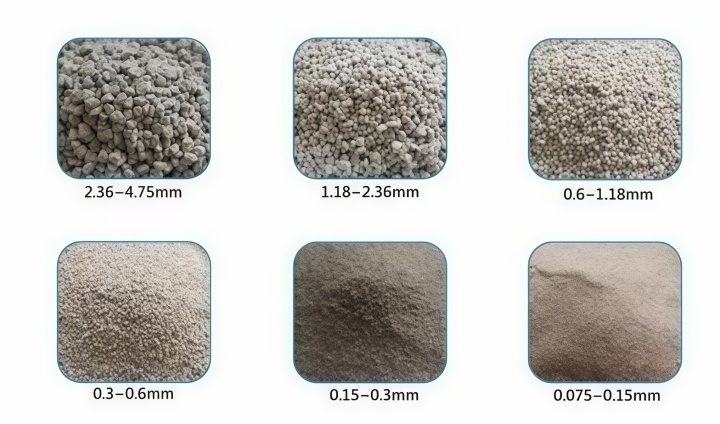
Product Particle Shape: A Key Requirement in Premium Aggregate Markets
Material from the impact‑style machine: grab a handful—sharp edges, mostly cubical pieces, neat corners. This type breaks along natural cleavage planes, cracking where it should crack and leaving the rest intact. Without a bottom grate, 0‑5mm fines typically range from 12% to 18%. This is why high‑grade highway asphalt and concrete specifications almost always call for an impact crusher as the final crushing stage.
Material from the hammer‑style unit: grab a handful—your hand comes away covered in dust. This type breaks by grinding—material is held against the grate and hammers repeatedly scrape it down. This grinding generates a large amount of fines, with 0‑5mm typically reaching 25% to 35%—about 15 percentage points higher than the impact‑style machine.
Real‑world feedback: A marble quarry in Rajasthan, India uses the hammer‑style unit for calcite, handling 1,200 metric tons per day but with higher fines production. In the US, Continental Brick Company switched from this type to the other due to quality issues, increasing capacity by 90%.
Wear Parts and Maintenance Costs
Wear part consumption directly affects long‑term operating costs.
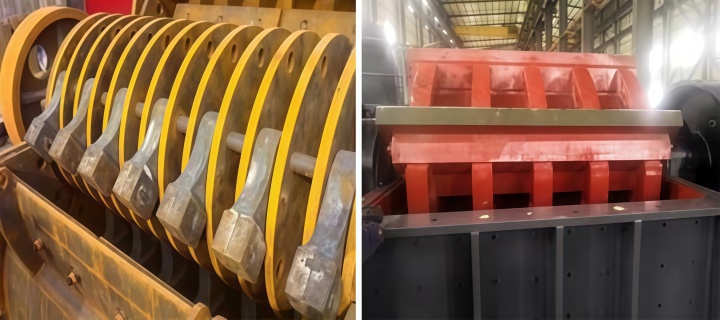
For the impact‑style machine, blow bar wear occurs primarily on the side facing material, with metal utilization of 45% to 48%. Replacement requires opening the rear housing; two workers can complete a full set in 2 to 3 hours.
For a Hammer Crusher Machine, hammers wear on multiple surfaces—top, front, back, and sides—with metal utilization of only about 35%. A medium‑sized machine may have dozens to hundreds of hammers, requiring 4 to 6 workers and a significant portion of a day to replace. The bottom grate also needs periodic replacement, which is more complex than changing hammers.
Two Easily Overlooked Critical Differences
Warning: Silica Content in Limestone
If your limestone contains more than 5% silica (SiO₂), hammer wear on a Hammer Crusher Machine accelerates noticeably. High‑silica materials like chert nodules are far more abrasive than pure calcium carbonate and rapidly consume hammers. Data from iron mines in Karnataka, India confirms severe wear with high‑silica feed. Test your material's silica content before selecting equipment.
Discharge Size Control
This is a significant but easily overlooked difference. As hammers wear on a Hammer Crusher Machine, discharge size gradually becomes coarser, and because grate openings are fixed, there is no adjustment to compensate—only shutdown and hammer replacement. In contrast, as blow bars wear on the impact‑style machine, the gap between impact plates and rotor can be adjusted to maintain stable discharge size without immediate shutdown. This means better production continuity and fewer shutdowns.
Real‑World Cost Comparisons from Global Production Lines
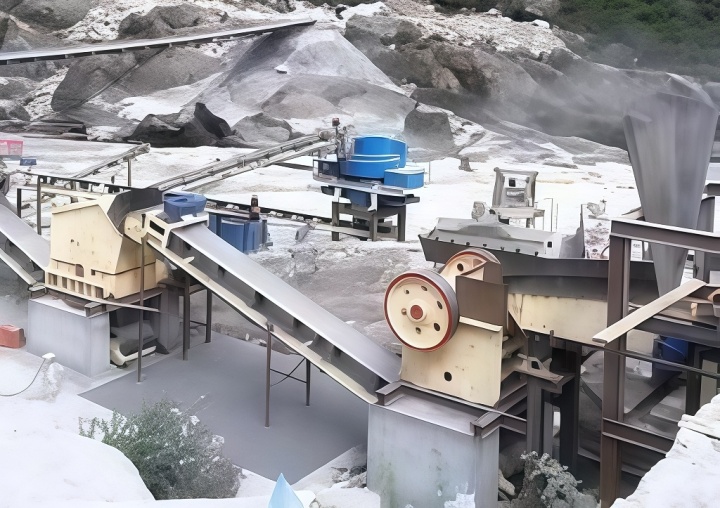
A limestone quarry in Tamil Nadu, India faced frequent clogging with its hammer‑style unit due to inconsistent feed size and high moisture. After upgrading to an anti‑clogging design, downtime dropped by 70% and throughput increased by 25%. However, fines production remained high.
Continental Brick Company in the US experienced increasing problems with its hammer‑style unit after 20 years. After switching to the other type, capacity increased by 90% compared to the old machine.
Data from multiple global lines: The hammer‑style unit in single‑stage crushing consumes about 2.5 to 3.0 kWh per ton—roughly 30% higher than the impact‑based setup at 1.8 to 2.2 kWh per ton. Annual maintenance costs for the hammer‑style unit are approximately 1.8 to 2 times those of the impact‑style setup. Although this type saves 30% to 40% on initial equipment cost, total cost of ownership reverses within two years of operation.
High Moisture: A Common Hammer Crusher Pain Point Worldwide
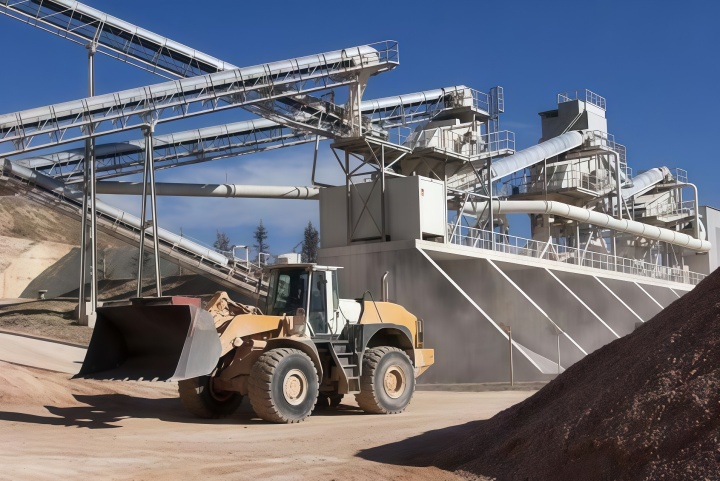
If your feed regularly exceeds 8% moisture, carefully consider whether the hammer‑style unit is right for you.
Production lines in high‑humidity regions worldwide report the same issue. Equipment runs fine during dry‑season inspection, but once rainy season arrives or feed moisture increases, the bottom grate becomes clogged and production drops significantly. Operating records show that above 8% moisture, this type requires frequent shutdowns for grate cleaning, noticeably reducing effective production days.
The impact‑style machine has no bottom grate and open discharge, remaining clear even at 15% moisture. Wet rock is crushed and discharged directly without interrupting production.
Common Selection Misjudgments
Misjudgment 1: Focusing only on equipment price. The hammer‑style unit has a lower price tag, but the savings are gradually consumed in electricity, hammer replacements, and grate replacements. Calculate total cost over three years.
Misjudgment 2: Assuming the two machines are interchangeable. The hammer‑style unit suits soft materials up to 200MPa compressive strength, while the impact‑style machine handles medium‑hard materials up to 350MPa. Using this type above 200MPa dramatically shortens hammer life.
Misjudgment 3: Ignoring seasonal climate variations. Equipment inspected during dry season may run perfectly, but when rainy season raises moisture, the grate clogging issue can bring production to a halt—clearly demonstrated by monsoon operating data from Maharashtra, India.
Selection Decision Matrix
Choose an impact crusher if any apply:
You need high‑quality cubical aggregates for highways or high‑performance concrete
Material compressive strength exceeds 200MPa
Feed moisture regularly exceeds 8% or contains clay
You prioritize lower long‑term operating costs and fewer shutdowns
Consider a Hammer Crusher Machine if all apply:
Budget is tight and you want to save about 40% on initial investment
Material is dry, clean, soft ore like coal, gypsum, or chalk
Particle shape requirements are low and you can accept higher fines
You want to simplify process flow with single‑stage crushing
FAQ
With a limited budget, which is more cost‑effective: an impact crusher or a Hammer Crusher Machine?
The hammer‑style unit has lower initial cost, saving about 40% upfront. But the impact‑style machine has lower long‑term operating costs, with total cost of ownership reversing after about two years based on data from multiple global lines.
In wet conditions, which is more reliable: an impact crusher or a Hammer Crusher Machine?
The impact‑style machine's open discharge design means it rarely clogs when processing high‑moisture material, ensuring production continuity especially during rainy seasons. The hammer‑style unit's grate clogs as soon as wet material sticks—a common problem in high‑humidity regions worldwide.
Can a Hammer Crusher Machine do single‑stage crushing?
Yes.Modern heavy‑duty Hammer Crusher Machines can accept feed up to 1000mm and complete primary and secondary crushing, eliminating the need for a jaw crusher. The impact‑style machine is typically a secondary crushing device.
Processing the same limestone, what's the product difference between a Hammer Crusher Machine and an impact crusher?
The impact‑style machine produces 12% to 18% fines with cubical shape. The hammer‑style unit produces 25% to 35% fines with generally acceptable but inferior shape and more dust. For commercial concrete or asphalt, choose the impact‑style machine; for in‑plant cement batching, the hammer‑style unit can be acceptable.
Closing
The two crusher types serve different purposes. The impact‑style machine delivers high‑quality output with fewer shutdowns—the standard choice for highway and premium concrete aggregate production worldwide. Hammer Crusher Machines save money upfront with single‑stage capability but have higher maintenance frequency—suitable for soft, dry feed with low particle shape requirements.
The choice comes down to three things: rock hardness, moisture content, and whether you need stone or stone powder. From Indian limestone quarries to US brick plants, from European highway projects to Southeast Asian rainy‑season construction, these cases confirm the same conclusion: choose right, and your production line runs smoothly; choose wrong, and you'll face far more problems down the road. If you have specific material parameters, feel free to send them to our factory—as a professional manufacturer with many years of experience and products exported worldwide, we can provide targeted selection advice and production line configuration solutions.