Cone Crusher Models and Specifications
Tuesday April-21 2026 17:16:14
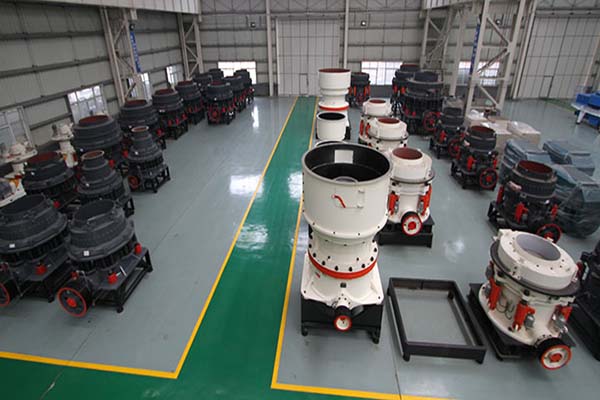
MACHRISE Machinery Manufacturer's cone crushers are divided into three main types based on their working principle and structural design. Each type has unique advantages and can be adapted to different materials, production capacities, and application scenarios. All models are independently developed and manufactured, with standardized specifications and stable performance, capable of meeting the diverse needs of domestic and international customers.
Cone Crusher Model Parameters
|
Model |
Max. Feeding Size (mm) |
Adjustable Range of Outlet (mm) |
Capacity (t/h) |
Motor Power (kW) |
Weight (t) |
Overall Dimension (mm) |
| PYB600 | 65 | 12-25 | 20-40 | 30 | 5 | 2234×1370×1675 |
| PYD600 | 35 | 3-13 | 12-23 | 30 | 5.5 | 2234×1370×1675 |
| PYB900 | 115 | 15-50 | 50-90 | 55 | 11.2 | 2692×1640×2350 |
| PYZ900 | 60 | 5-20 | 20-65 | 55 | 11.2 | 2692×1640×2350 |
| PYD900 | 45 | 3-13 | 15-50 | 55 | 11.3 | 2692×1640×2350 |
| PYB1200 | 145 | 20-50 | 110-168 | 110 | 24.7 | 2790×1878×2844 |
| PYZ1200 | 100 | 8-25 | 42-135 | 110 | 25 | 2790×1878×2844 |
| PYD1200 | 50 | 3-15 | 18-105 | 110 | 25.6 | 2790×1878×2844 |
| PYB1750 | 215 | 25-60 | 280-480 | 160 | 50.3 | 3910×2894×3809 |
| PYZ1750 | 185 | 10-30 | 115-320 | 160 | 50.3 | 3910×2894×3809 |
| PYD1750 | 85 | 5-15 | 75-230 | 160 | 50.4 | 3910×2894×3809 |
| PYB2200 | 300 | 30-60 | 490-800 | 260/280 | 80 | 4622×3302×4470 |
| PYZ2200 | 230 | 10-30 | 200-580 | 260/280 | 80 | 4622×3302×4470 |
| PYD2200 | 100 | 5-15 | 120-340 | 260/280 | 81.4 | 4622×3302×4470 |
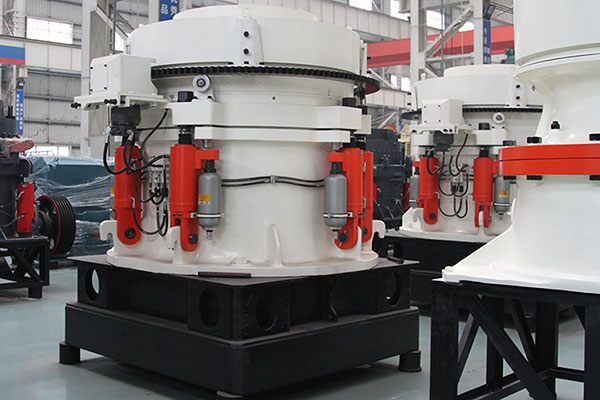
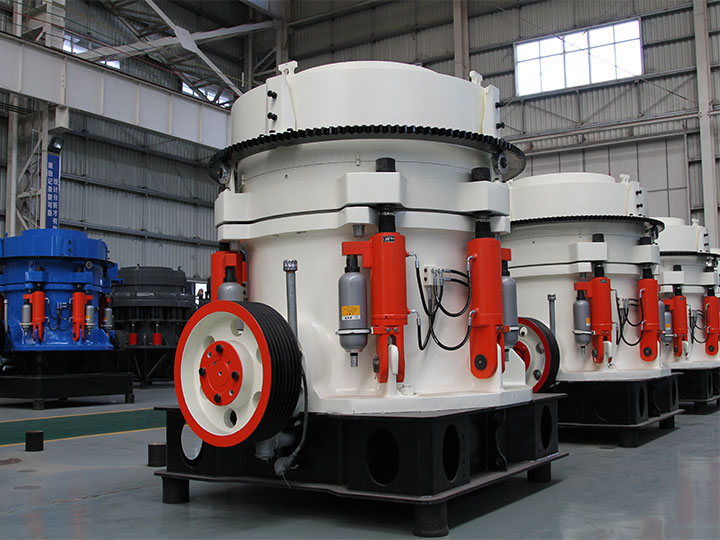
The single-cylinder hydraulic cone crusher is a flagship product of MACHRISE Machinery Manufacturer. It features an integrated bottom single hydraulic cylinder design, combining discharge port adjustment, overload protection, and hydraulic clearing functions. Utilizing the principle of layered crushing, it boasts strong crushing force and excellent finished product particle shape, making it particularly suitable for crushing high-hardness materials. It is suitable for materials with high hardness and strong abrasiveness, such as granite, basalt, iron ore, and river pebbles.
The multi-cylinder hydraulic cone crusher employs a design with multiple sets of hydraulic cylinders distributed around the main unit. This collaborative design achieves high-precision adjustment and multi-layer overload protection, making it a high-end piece of equipment for large aggregate and mining production lines. It features high crushing force, high capacity, and excellent finished product quality.
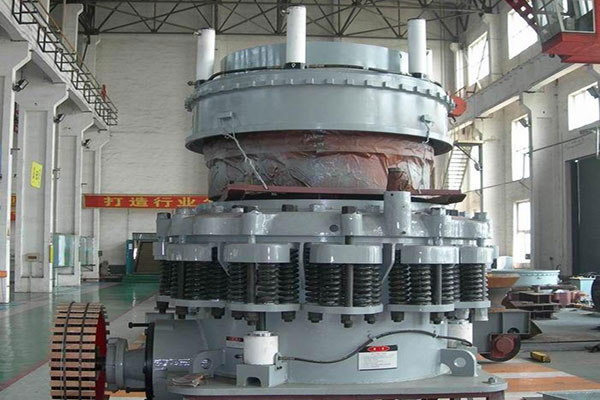
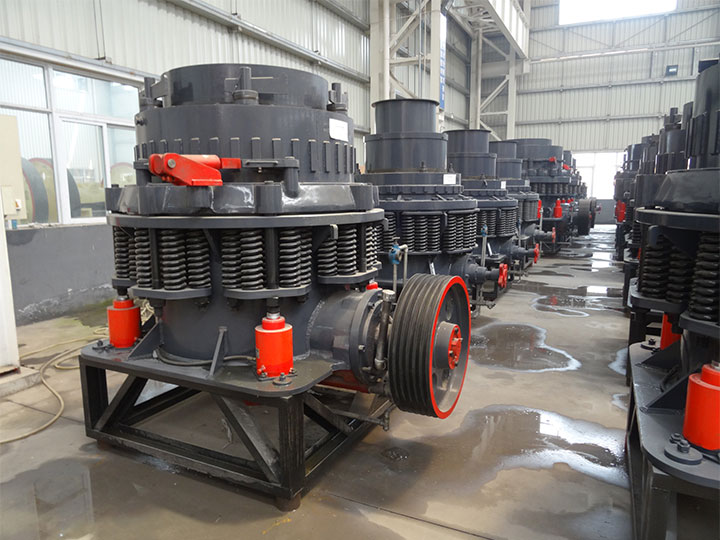
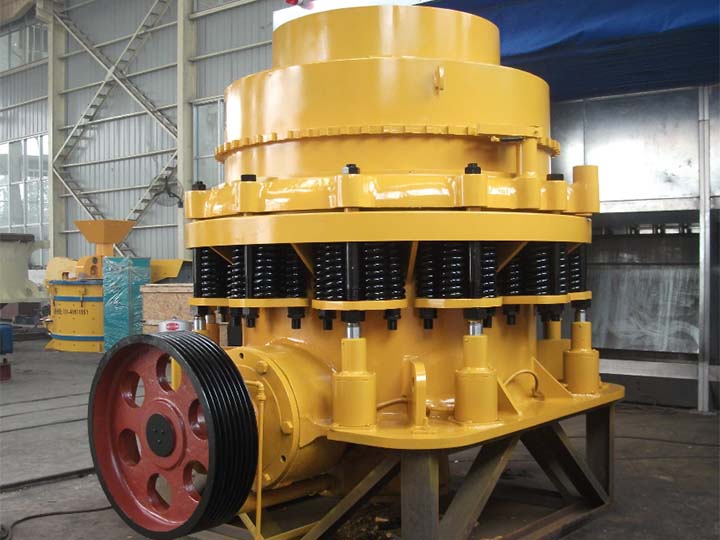
The spring cone crusher is a traditional, economical model. It uses spring mechanical overload protection, has no hydraulic system, and features a simple structure, low purchase cost, and low maintenance threshold. It is particularly suitable for small and medium-sized simple production lines and projects with limited budgets.
How to Select a Cone Crusher Model
Choosing the most suitable cone crusher model requires following the principle of "first determine needs, then match parameters, and finally consider costs," comprehensively considering factors such as material characteristics, capacity, finished product particle size, site conditions, and budget. The following are detailed selection steps for your reference.
Determining Equipment Type Based on Material Characteristics:The selection of the cone crusher type is mainly determined by the hardness and moisture content of the material, which is the basis for reasonable selection. For high-hardness, highly abrasive materials, single-cylinder hydraulic cone crushers or multi-cylinder hydraulic cone crushers are preferred. Single-cylinder types are suitable for small to medium capacity and wet, sticky materials; multi-cylinder types are suitable for large production lines and high-grade aggregate production. For medium-soft materials such as limestone, gypsum, and coal gangue, PY series spring cone crushers are preferred, offering the best cost-performance ratio and meeting basic crushing needs.
Determining the Specific Model Based on Capacity and Particle Size:It is necessary to consider the project's hourly and daily crushing requirements, reserving 10%-15% capacity redundancy to avoid accelerated wear and tear due to long-term full-load operation of the equipment. The crushing particle size is determined based on the intended use of the finished product. Different models of equipment have different discharge port adjustment ranges, requiring precise matching. While meeting the core requirements for material crushing, capacity, and particle size, the optimal solution is selected by comprehensively considering site conditions, project cycle, and procurement and operating costs. For example, for sites with limited space requiring frequent relocation, a mobile cone crusher equipped with a small single-cylinder main unit is suitable for mobile operation scenarios such as construction waste recycling and temporary crushing.
When selecting equipment, practicality and economy should be considered simultaneously, avoiding blindly following trends. Prioritize products from reputable manufacturers to ensure equipment quality, after-sales service, and the supply of vulnerable parts, thus guaranteeing stable production line operation. Furthermore, slight differences may exist in the specifications of similar models from different manufacturers. During the actual selection process, provide material samples, capacity requirements, site dimensions, and other parameters to consult with the manufacturer's technical personnel for tailored selection advice, avoiding selection errors due to parameter discrepancies.