Blade Type Crusher Machine vs Universal Crusher – Which One Fits Your Production Line?
Wednesday August-19 2026 16:16:20
In 2022, UK-based plastics recycler YS Reclamation made a critical procurement at the K fair. During the previous 8,000 operating hours, its original crusher had accumulated over 1,400 hours of downtime. Equipment unreliability essentially consumed nearly one-fifth of the machine's lifecycle.
The consequence of choosing the wrong crushing equipment shows up not in the purchase contract, but in the downtime log. Blade Type Crusher Machine and Universal Crusher operate on completely different material processing principles, with fundamental differences in applicable materials, output fineness, and operational stability.
This article draws on real operational data from the global recycling industry and provides a field‑based reference for equipment selection.
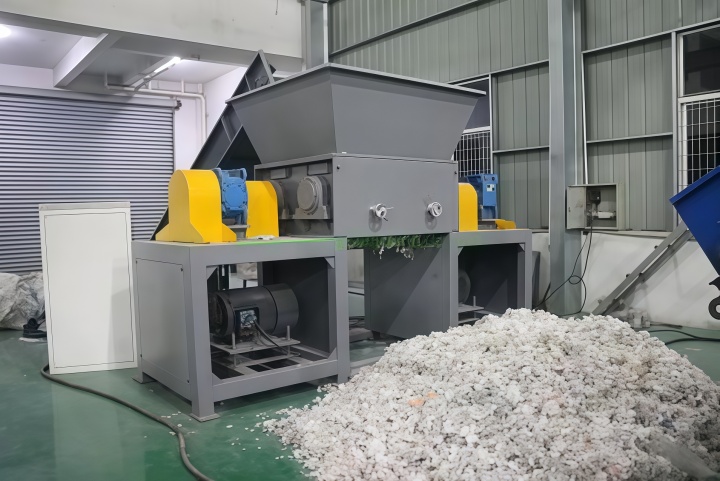
Shear vs Impact: What Happens to Material Inside the Equipment
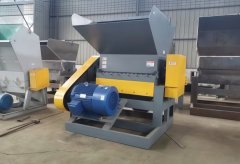
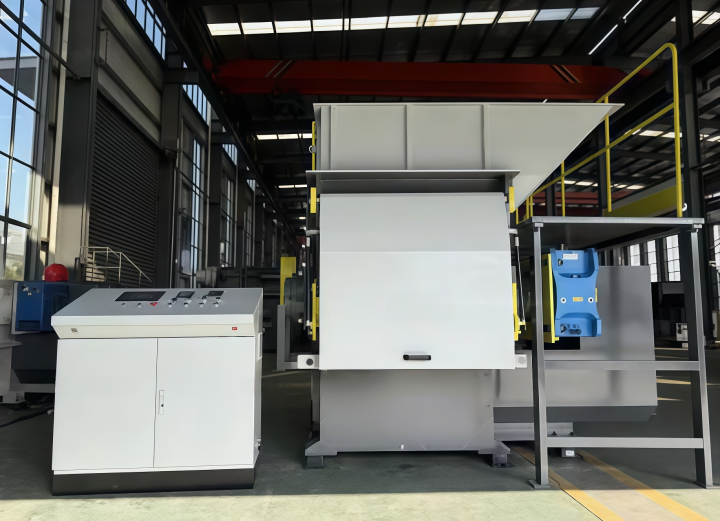
Blade Type Crusher Machine relies on shear force to accomplish size reduction. The blades cut into the material at a peripheral speed of 18 to 25 meters per second, and the gap between the rotary and stationary knives separates the material's fibrous nodes. During shearing, the internal structure experiences minimal tensile and compressive stress, with output particle sizes concentrated in the range of 0.5 to 20 mm. For detailed technical parameters and model selection of Blade Type Crusher Machine, please refer to the Blade Type Crusher Machine product page.
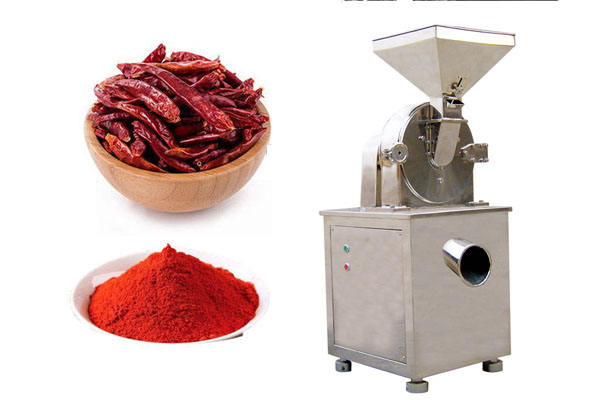
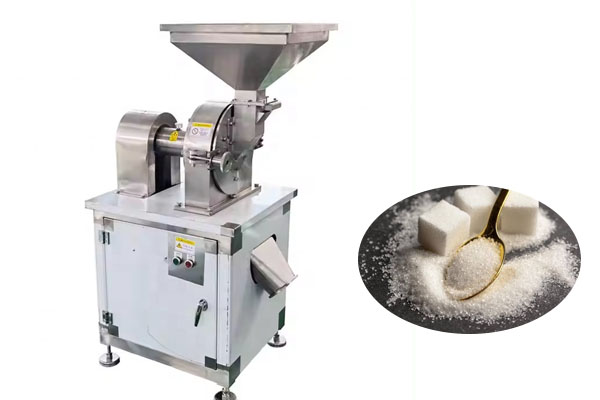
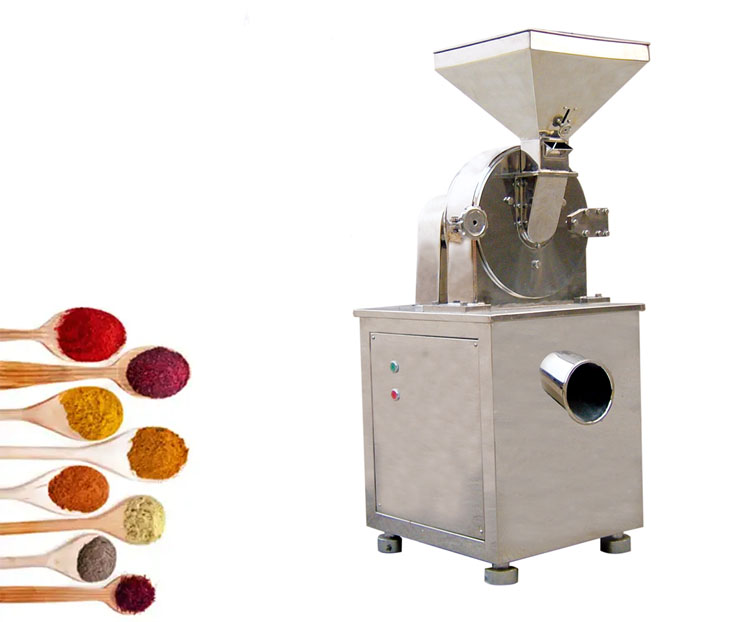
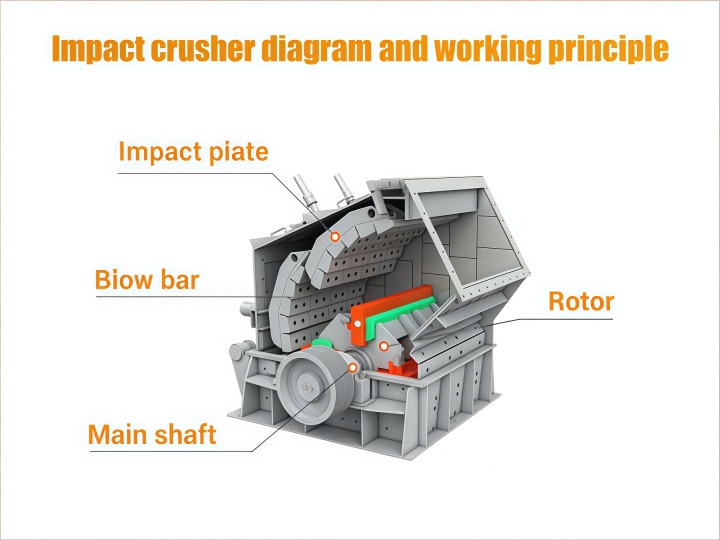
The Universal Crusher, on the other hand, relies on impact force to break the material. The rotor strikes the material repeatedly at 2,800 to 4,200 revolutions per minute, causing it to collide at high speed with the grinding disc inside the crushing chamber and fracture along natural cleavage planes. The output fineness can reach 20 to 120 mesh.
The Overlooked Cost of Selection: Downtime
YS Reclamation, a plastics recycling company based in Warrington, UK, processes 27 tonnes of post‑consumer LDPE film per day, producing 25 tonnes of high‑quality plastic pellets through washing and granulation. The original Universal Crusher frequently malfunctioned when processing LDPE film. The toughness and elasticity of the film made it difficult for impact forces to break it effectively; the material was repeatedly struck inside the chamber but could not pass through the screen. During the first 8,000 operating hours, the equipment accumulated over 1,400 hours of downtime due to mechanical failures and other issues. Calculated on a 24‑hour continuous operation basis, this equates to more than 58 days of lost production capacity.
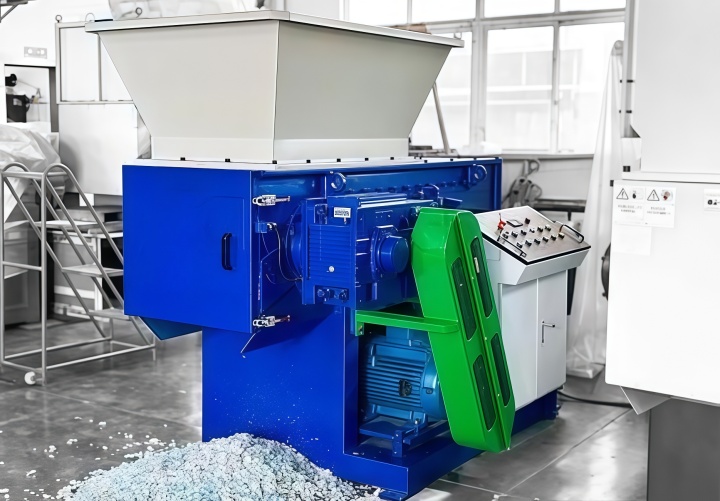
After replacing the equipment with a Vecoplan VAZ1700 L6 single‑shaft shredder, fine particle generation decreased by 40%, contaminant levels in the extrusion process were reduced, and the unit could process 4 tonnes of baled plastic film per hour. The new equipment required only 30% of the original machine's operating time to achieve the same throughput, while noise and vibration levels dropped and maintenance time shortened. This single‑shaft shredder belongs to the same shear‑type size reduction category as Blade Type Crusher Machine, demonstrating consistent reliability in film‑type material processing.
During my site visits, I noticed that most selection errors could have been avoided on the very day the material sample was obtained. Production line managers often make decisions without running material tests, only discovering problems after the equipment is installed and operational—by which point ongoing capacity losses and time costs have already accumulated.
A Five‑Minute Self‑Test Method
Before contacting equipment suppliers, production managers can use a simple method for preliminary judgment. Take a representative sample of the material, place it on a hard flat surface, and strike it vertically three times with moderate force using an ordinary hammer. Observe the post‑impact appearance: if the material shatters into powder or small particles, it indicates brittle fracture along cleavage planes—the Universal Crusher is the preferred choice.
If the material flattens into a thin sheet without breaking, or if fibres pull out at the edges of the impact site, it indicates toughness and ductility—Blade Type Crusher Machine is the more suitable option. If the material shows cracks on the surface but does not break apart, it falls into an intermediate category, and laboratory hardness testing is recommended. This self‑test method has an accuracy rate exceeding 90% for fibrous and film‑type materials. While it cannot replace professional selection, it can help production managers establish an initial judgment within five minutes.
FAQ
How is the blade replacement cycle determined for Blade Type Crusher Machine?
For soft materials, the blades should be inspected after processing approximately 80 to 120 tonnes; maintenance is required when the proportion of oversized particles in the output exceeds 5%. SKD11 tool steel blades have a service life of about 800 hours under normal operating conditions.
How does material moisture content affect the choice between Blade Type Crusher Machine and Universal Crusher?
Blade Type Crusher Machine can handle materials with moisture content up to 12%, while the Universal Crusher begins to face clogging risks once moisture exceeds 6%.
What factors directly affect the throughput of Blade Type Crusher Machine?
Throughput is related to blade gap, feed size, and rotor speed. When the blade gap is set to 1 mm, output particle uniformity can reach 95%.
What is the relationship between screen mesh aperture and output fineness for Blade Type Crusher Machine and Universal Crusher?
For the Universal Crusher, a 0.5 mm screen produces output of approximately 60 to 80 mesh, while a 3 mm screen yields about 15 to 20 mesh. For Blade Type Crusher Machine, the output particle size is mainly determined by blade gap and screen plate aperture, generally adjustable within the range of 0.5 to 20 mm.
Closing Remarks
The choice between Blade Type Crusher Machine and Universal Crusher depends on how the material actually behaves inside the equipment. The Universal Crusher is suitable for brittle, blocky materials, while Blade Type Crusher Machine is ideal for film and fibrous materials.
YS Reclamation's equipment replacement record shows that an impact‑type crusher processing LDPE film accumulated over 1,400 hours of downtime in 8,000 operating hours, whereas a shear‑type shredder reduced fine particle generation by 40% and cut daily operating time to 30% of the original.
Before final selection, use the five‑minute self‑test for a preliminary assessment, then send material samples to the supplier for actual crushing trials, and make the final decision based on measured throughput, energy consumption, and output quality.