Blade Type Crusher Machine
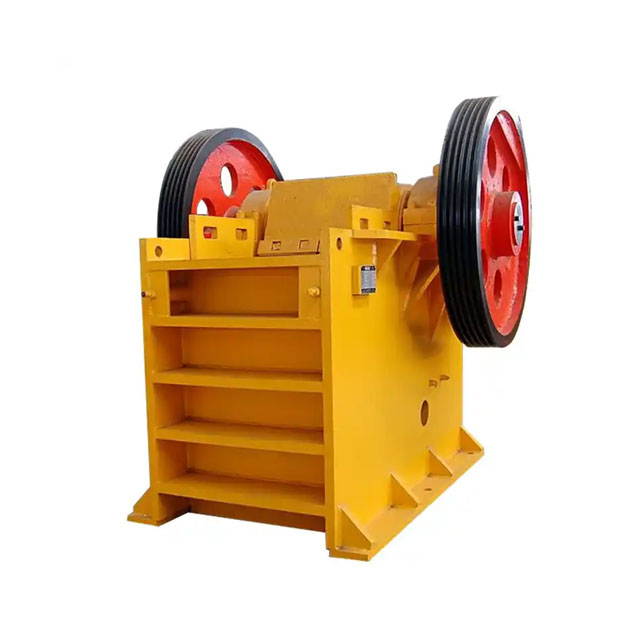
Blade Type Crusher Machine are used for secondary and fine crushing of various brittle materials, producing high‑quality finished materials of varying particle sizes for use in chemical, building materials, and recycling industries. Prices typically range from $25,000 to $380,000. Feed opening size: ≤420mm Production capacity: 10‑860 tons/hour Discharge opening adjustment range: 2‑40mm Spindle speed: ≤960 rpm Motor power: 37‑315kW
What is a Blade Type Crusher Machine?
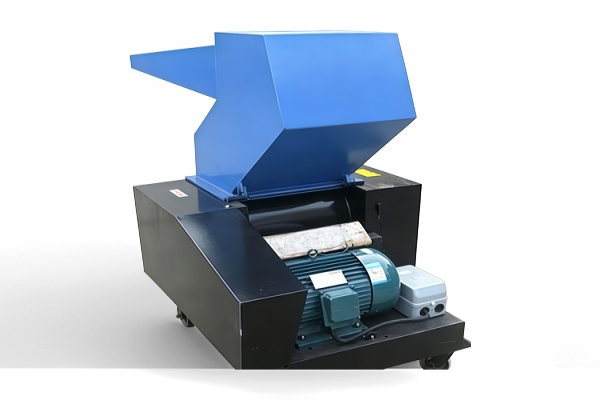
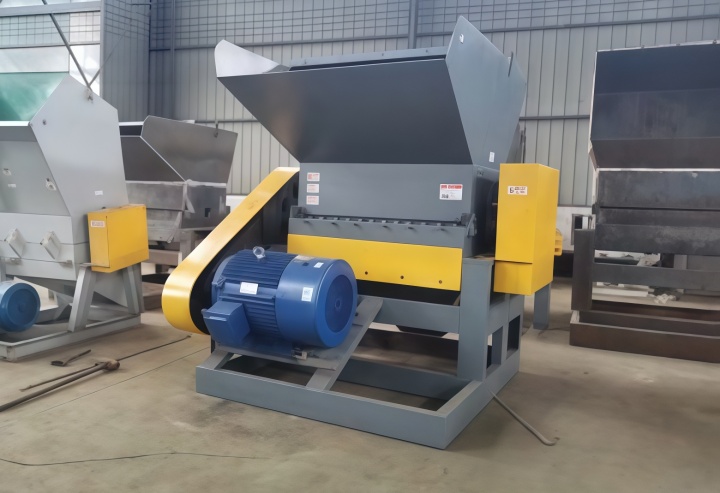
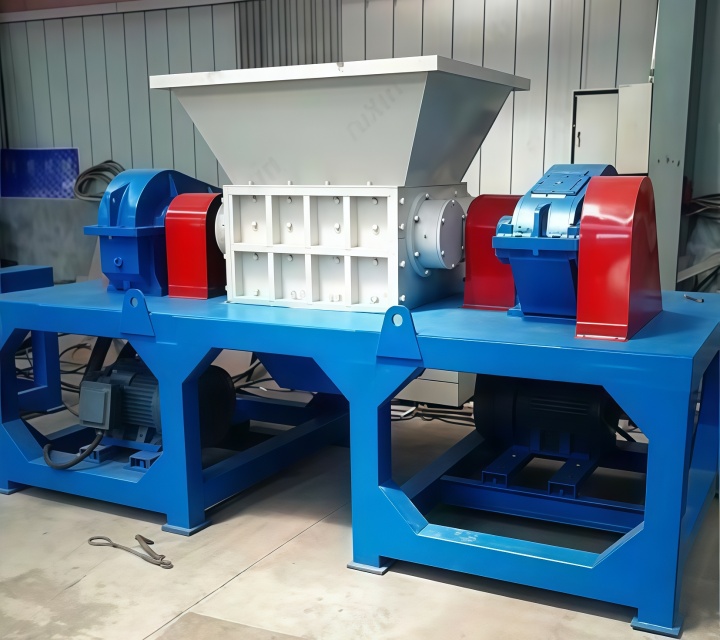
Blade Type Crusher Machine serves as medium-to-fine crushing equipment, operating with high-speed rotating blade sets that reduce material size through shearing, impact, and tearing.It can process block, sheet, pipe, and fibrous materials in a single pass to the required fineness. The equipment offers strong particle size controllability to meet different process requirements ranging from coarse to fine crushing, and complies with CE and ISO 9001 quality standards. Blade materials can be selected from 9CrSi, SKD11, 60Si2Mn, or tungsten steel based on material characteristics. The global crusher market is projected to reach USD 2.29 billion in 2026, with a compound annual growth rate of 6.6%, and the Asia-Pacific region leads with 42% of the global market share.
Blade Type Crusher MachineVideo Showcase
How does Blade Type Crusher Machine work?
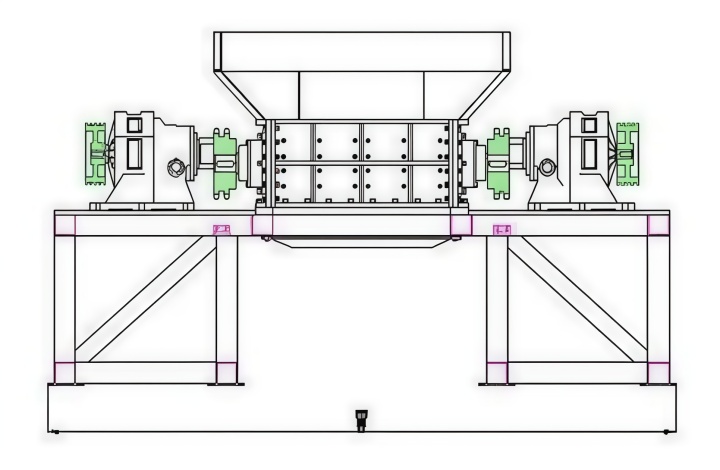
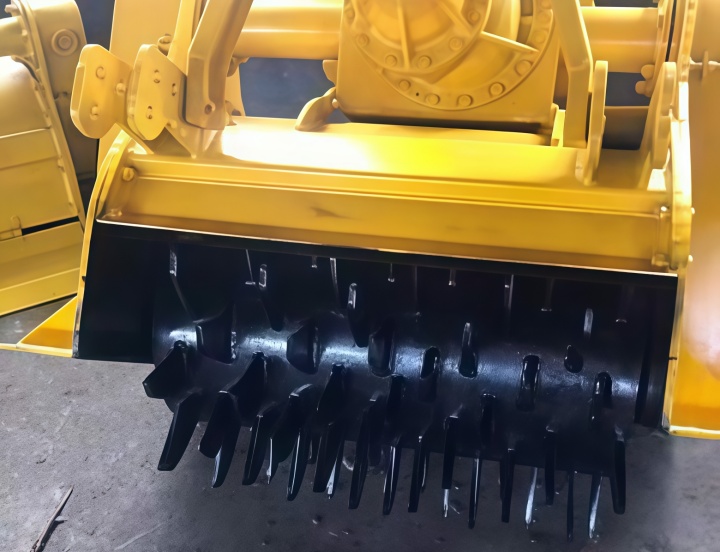
Blade Type Crusher Machine consists of a stainless steel crushing chamber and high-speed blade sets, where materials are fractured under the shearing action between the blades and fixed serrated plates.
The crushing process involves three stages: impact tearing for initial fragmentation of large pieces, shearing and pulverization for further size reduction, and screen discharge allowing qualified particles to pass through while oversized materials continue circulating within the chamber until meeting the discharge requirements. When oversized feed materials generate impact force exceeding the centrifugal force of the blades, the blades automatically retract to protect the blade shaft. Fineness is controlled by changing screens or adjusting rotor speed.
What makes Blade Type Crusher Machine stand out?
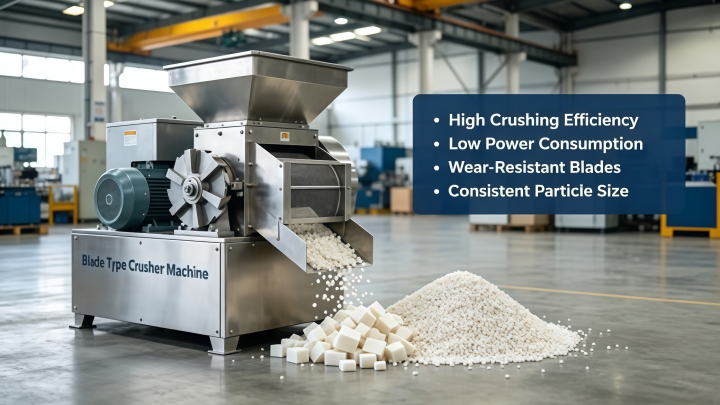
The core advantages of Blade Type Crusher Machine are centered on crushing efficiency, operational costs, and material adaptability.
In crushing efficiency, it achieves a ratio of 60 to 70, with particles smaller than 2mm accounting for 63% to 68% when using a 2mm screen. A PP material box factory in Thailand reduced their crushing process from two steps to one after adoption, saving 1.5 hours of manual screening time per shift.
In operational costs, the equipment consumes 0.5 to 0.8 kWh per ton, with 9CrSi blades achieving HRC 58 to 62 hardness. Field tests from a Guinea project show that 60Si2Mn blades extend regrinding intervals by approximately 50% compared to 9CrSi.
In material adaptability, when processing discarded refrigerator liners with tungsten-coated blades and a 15mm screen, the output reaches 1.2 tons per hour with particle size deviation controlled within ±2mm, requiring no shutdown for cleaning after a full shift of continuous operation.
What materials can Blade Type Crusher Machine process?
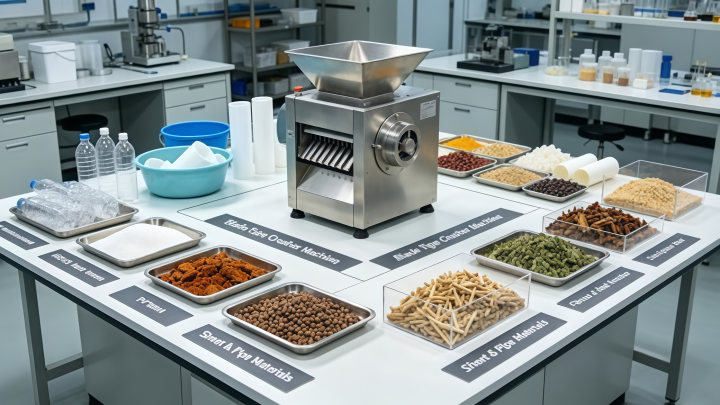
It covers a wide range of applicable materials, categorized into three types by material form.
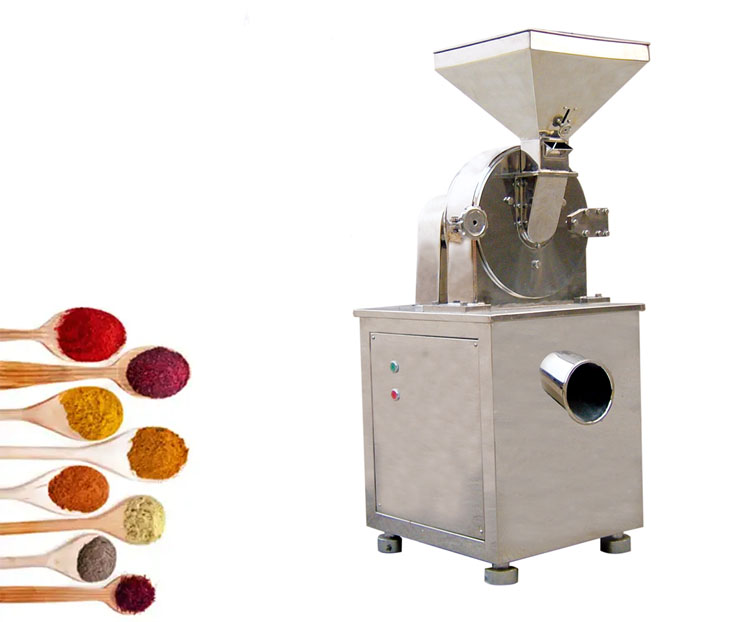
Block and granular materials include food ingredients such as sugar, spices, grains, and beans, as well as inorganic non-metallic materials including ore, gypsum, and glass.
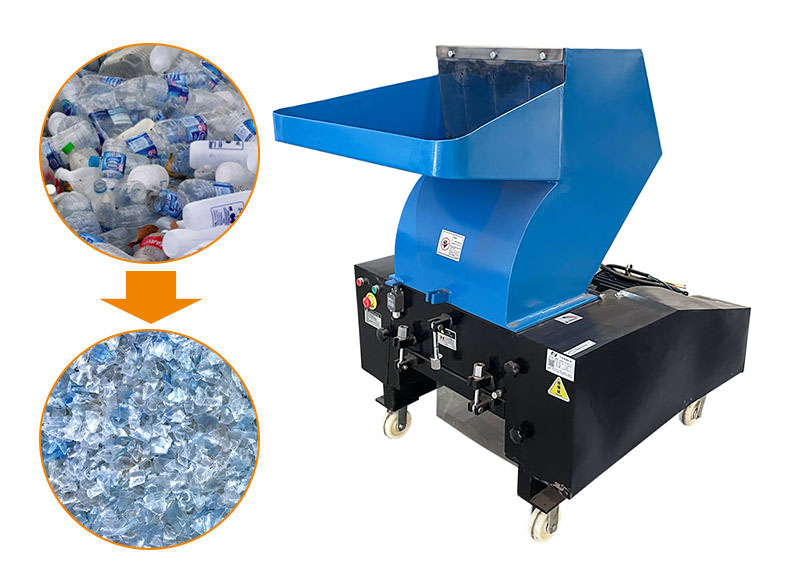
Sheet and pipe materials include PET bottles, HDPE drums, PP basins, PVC pipes, plastic films, plastic profiles, and runners, representing the equipment's primary application area.
Fibrous and heat-sensitive materials include Chinese medicinal herbs, plant materials, and dry fibers, with low temperature rise during operation making it suitable for heat-sensitive material processing.
It should be noted that high-oil and high-viscosity materials are not suitable for the equipment, as such materials tend to clog screens and form adhesive layers on the inner walls of the crushing chamber.
The technical specifications of Blade Type Crusher Machine
| Model | Power | Speed | Capacity | Fineness | Dimensions | Weight |
| Model 250 | 4 KW | 4200 RPM | 10-100 kg/h | 12-120 mesh | 1050×600×1500 mm | 150 kg |
| Model 350 | 7.5 KW | 3800 RPM | 50-300 kg/h | 12-120 mesh | 1150×860×1520 mm | 280 kg |
| Model 450 | 11 KW | 3200 RPM | 100-550 kg/h | 12-120 mesh | 1280×950×1600 mm | 360 kg |
| SL-600 | 22 KW | — | 600-800 kg/h | 15 mm screen | 1200×700×1600 mm | — |
Where is Blade Type Crusher Machine mainly used?
The application focus of Blade Type Crusher Machine varies across different global regions.
Southeast Asia focuses primarily on plastic recycling, where a factory in Thailand processes 15 tons of PP material boxes daily with a 60% increase in processing speed. The African market is expanding rapidly, with a cooperative in Guinea using the SL-600 model to process HDPE drums, PP basins, PET bottles, and mixed automotive plastics at 600 to 800 kilograms per hour.
A PET bottle recycling customer in Kenya achieved a 90% volume reduction of bottles after adoption, significantly improving downstream washing line efficiency, and the blades required only one regrinding in three months of operation. The European and American markets focus on food and pharmaceutical applications, processing sugar, spices, and Chinese medicinal herbs.
Select the right Blade Type Crusher Machine
Selecting the right model requires clarifying the following three pieces of information: material type and hardness, target hourly output, and desired discharge fineness. Three practical tips include controlling feed speed at 70% to 85% of rated capacity for optimal efficiency, choosing 60Si2Mn blades over 9CrSi for thick-walled rigid plastics, and checking bearing lubrication and blade clearance when housing temperature consistently exceeds 65°C.
It should be noted that high-oil and high-viscosity materials are not suitable for it, as excessive moisture or oil content leads to screen clogging and adhesion to the inner walls. Material testing before bulk purchasing is recommended to confirm equipment suitability.
Frequently asked questions about Blade Type Crusher Machine
Q: Can Blade Type Crusher Machine adapt to different national voltage standards?
Yes. Various specifications can be customized including 220V/50Hz, 380V/50Hz, and 460V/60Hz to meet different market requirements.
Q: What should I do if Blade Type Crusher Machine clogs when processing moist materials?
Control material moisture content, maintain uniform and continuous feeding, and consider installing a vibratory feeder to assist material flow.
Q: What causes excessive noise during operation of Blade Type Crusher Machine?
Excessive noise is typically associated with blade dynamic imbalance, bearing wear, or loose blade mounting bolts, requiring regular inspection and timely resolution.
Q: How to choose the right blade material for Blade Type Crusher Machine?
Choose SKD11 or tungsten steel for hard materials, 60Si2Mn for thick-walled plastics, and food-grade materials for food and pharmaceutical applications.