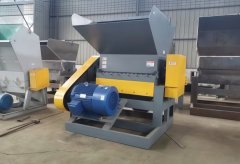
Blade Type Crusher Machine Maintenance Guide – How to Extend Blade Life and Reduce Downtime
Wednesday August-19 2026 16:15:36
A large copper mine in South America processes more than 280,000 tons of ore per day through two Blade Type Crusher Machine. The mine was forced to perform full rebuilds on each crusher's bushings up to five times a year, resulting in massive production losses. The culprit? Tramp metal. When either crusher ingests a shovel tooth or other metal object larger than 9 inches, it typically causes irreparable bushing damage requiring full rebuilds. On one occasion, the crusher came to a complete stop due to the sheer size and mass of the ingested metal. After fixing the lubrication issue, annual savings exceeded $2.8 million.
Blade maintenance is not about guessing from experience – it is about making decisions based on data. The following six aspects turn maintenance of this equipment into a data‑driven closed‑loop process.
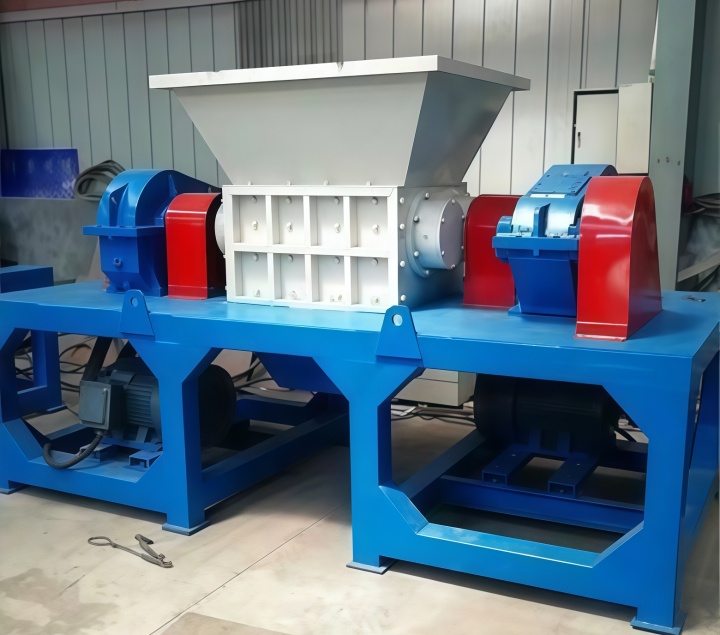
Motor Current Value Tells You Directly Whether to Keep Running
The only way to judge blade condition without stopping the Blade Type Crusher Machine during operation is to monitor motor current. Run it no‑load for three minutes to record the baseline current; during loaded operation, a current 30% to 50% above the baseline is within the normal cutting range.
Industry data shows that when feed moisture exceeds 4%, it creates an abrasive slurry effect that increases wear rates by 15% to 25% in crushing equipment. Operating below 70% chamber capacity reduces inter‑particle crushing, directing all abrasive force onto the liners and reducing lifespan by up to 40%. Abnormal current rise is more timely than any visual inspection and is the only way to avoid regretting a shutdown after the fact.
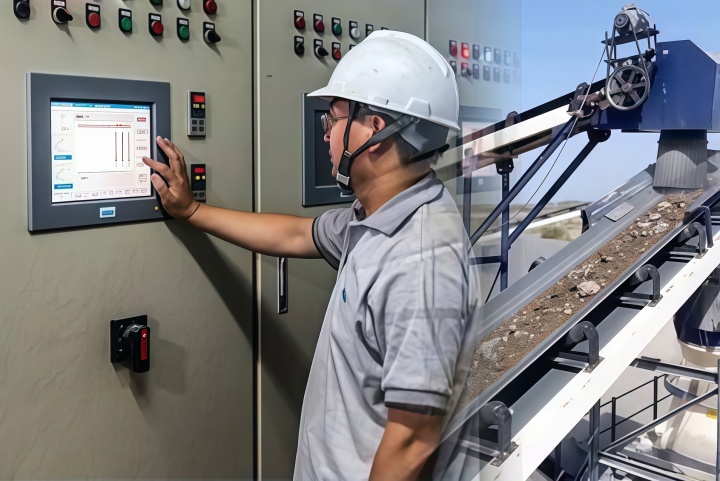
Cleaning Delayed Beyond 15 Minutes Doubles Hardening of Residue
After the Blade Type Crusher Machine stops, residual heat on the blade body causes leftover material to harden quickly. A documented case from a coconut shell crushing operation in Indonesia found that blade damage occurred repeatedly during operation, requiring repair or replacement every 16 hours at a wear rate of 24.28%. Metallurgical analysis confirmed the blades failed due to abrasion and deformation, with the low‑carbon steel material proving unsuitable for that application.
The correct practice is to complete cleaning within 15 minutes of shutdown, while the blades and crushing chamber are still warm but no longer too hot to touch. Use compressed air and a brass brush to blow away all residues on blade surfaces and in blade slots. For wet materials with moisture content above 4%, stop and clean the screen every four hours; clogged screen holes cause material to circulate and break repeatedly inside the chamber, accelerating blade wear several times over.
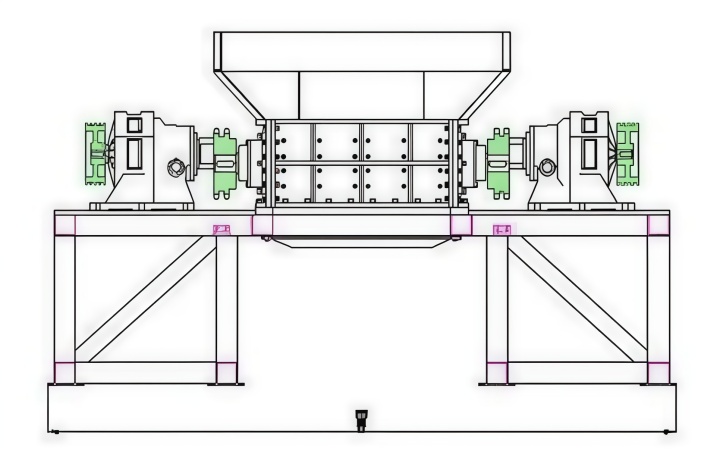
Carbon Steel Blades – Grind Every 8 Hours; Alloy Blades – Every 30 Hours
The grinding schedule for a Blade Type Crusher Machine depends entirely on blade material. Equipment manufacturers recommend preventive maintenance on a daily (8 hours), weekly (40 hours), monthly (200 hours), and yearly (2,000 hours) schedule. Carbon steel blades should be inspected every 8 to 12 running hours, with a single grinding removal of 0.2 to 0.3 mm – excessive grinding quickly reduces blade thickness below the critical level. Alloy steel blades need inspection every 20 to 30 hours, but grinding must be done with coolant; high temperatures create micro‑cracks on the surface of alloy blades, which expand into chips during operation.
After grinding a set of blades, weigh each one and balance them. Industry practice requires replacing wear parts as a set to ensure consistent weight – if weight differences are excessive, vibration will exceed limits when the machine is restarted. Mounting bolt torque should follow the equipment manual; different models of Blade Type Crusher Machine require specific torque values. For example, Rammer crusher cutting blades require tightening torques ranging from 25 Nm to 410 Nm depending on bolt grade and size.
Once grinding is done properly, the next step is to determine when to replace – these two steps must work together.
Replace the Full Set When Wear Exceeds One‑Third of Initial Thickness
A Blade Type Crusher Machine must have its blades replaced when wear reaches approximately one‑third of the original thickness. This standard is widely recognized across the industry – when critical areas reach approximately 3 to 5 mm of remaining thickness or when efficiency drops noticeably, replacement is due. Industry studies show that regularly maintained crusher blades last 30% to 50% longer than those in neglected machines.
When replacing, always remove the whole set together. Replacing only the one or two most worn blades leads to inconsistent thickness between old and new blades, directly destroying rotor dynamic balance. Keep at least one spare set already ground and balanced; when replacement is needed, install the spare set directly, and downtime can be reduced from 120 minutes to less than 40 minutes.
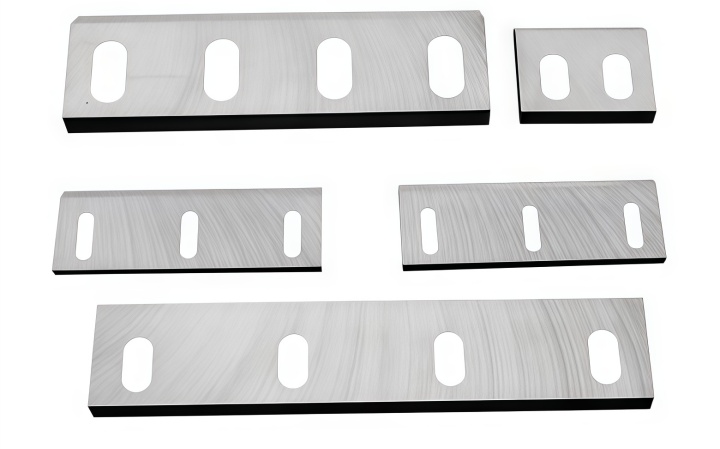
Metal Contaminants Destroy an Entire Set Within Seconds
The blade hardness of a Blade Type Crusher Machine typically ranges from HRC55 to 62 – the higher the hardness, the greater the brittleness. When iron pieces, nuts, or drill bits enter the crushing chamber, the cutting edges crack directly rather than wearing gradually. A quarry in Wales operated by Heidelberg Materials experienced persistent issues with tramp metal entering the aggregate cone crusher system, repeatedly causing blockages and unplanned shutdowns that created costly downtime and disrupted production efficiency. Following the installation of a metal detection system, the quarry reported a significant reduction in metal‑related blockages and crusher interruptions. Downtime costs in quarry operations can exceed $15,000 per hour.
Install a suspended magnetic separator above the feed belt and a metal detector at the belt end – these two layers of protection can significantly reduce the probability of metal contamination. When material moisture content rises from 5% to 15%, blade wear accelerates by two to three times under the same throughput – this factor has a greater influence on blade life than the quality difference of the blades themselves.
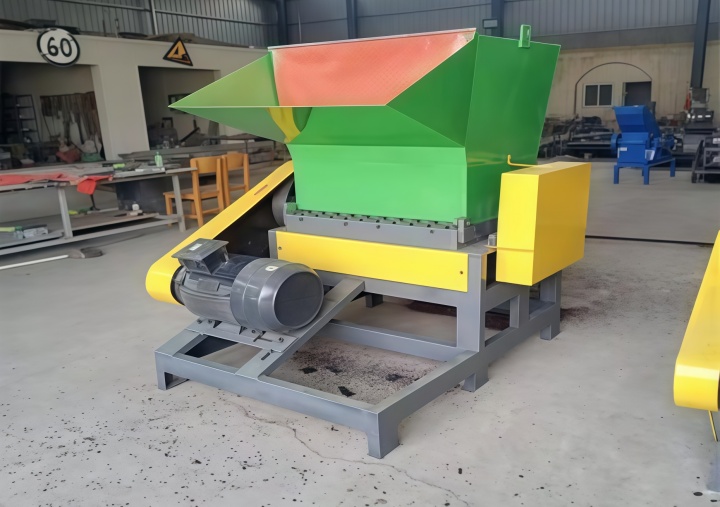
Record Continuously for Three Replacement Cycles to Find Your Own Rhythm
Every time you grind blades on the Blade Type Crusher Machine, record the running hours, tonnage processed, grinding removal thickness, and the recovery of current values after grinding.
After three consecutive replacement cycles, you will find a pattern: at what tonnage of a certain material does the current start to climb, and at what blade wear thickness does throughput begin to drop? With these data, you can schedule grinding and spare parts procurement in advance, turning maintenance from reactive emergency response into proactive planning, no longer relying on generic recommendations from manufacturers.

The core of Blade Type Crusher Machine blade maintenance is to grasp three key moments: current value tells you when to grind, wear amount tells you when to replace, and contaminant protection tells you when grinding and replacing are both wasted effort.
Record data after every replacement; after two or three cycles, you will calibrate the maintenance interval that best suits your own production line. Only by comparing data can you find your optimal maintenance cycle, rather than guessing or relying on generic manufacturer advice.
Blade Type Crusher Machine FAQ
What causes premature dulling of blades on a Blade Type Crusher Machine within 20 hours of replacement?
Hard contaminants in the feed or moisture above 4% accelerate wear several times over. Check with a metal detector and measure moisture content first.
Why does a Blade Type Crusher Machine vibrate excessively after blade grinding and reinstallation?
Inconsistent material removal during grinding creates weight differences that destroy rotor balance. Re‑weigh and rebalance blades to within 5 grams, then reinstall.
How many spare blade sets should be kept for a Blade Type Crusher Machine?
Keep at least one fully ground and balanced spare set ready; two sets allow smoother rotation. Maintained blades last 30‑50% longer per industry studies.
Can a damaged screen on a Blade Type Crusher Machine accelerate blade wear?
Yes – a damaged screen coarsens output particle size and may mislead you into grinding blades too often. Check the screen during each blade grinding and replace it separately if damaged.