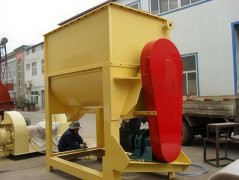
Single Shaft Paddle Mixer
What is a Single Shaft Paddle Mixer ?
In the third quarter of 2025, a 50,000‑ton‑per‑year aquafeed plant in Vietnam replaced its vertical mixer with a Single Shaft Paddle Mixer for vitamin premix production. Mixing time dropped from 240 seconds to 120 seconds, uniformity C.V. improved from 8.7% to 4.2%, and daily output rose from 12 tons to 18 tons.
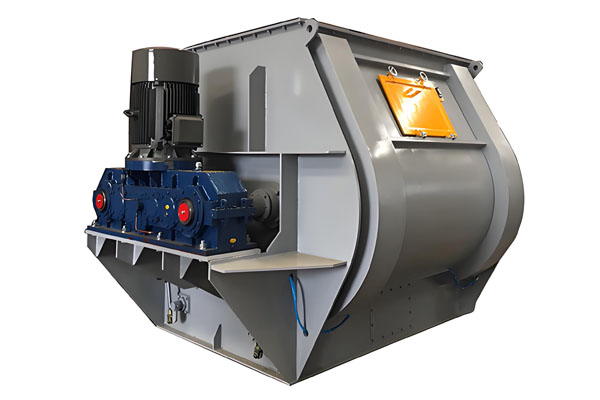
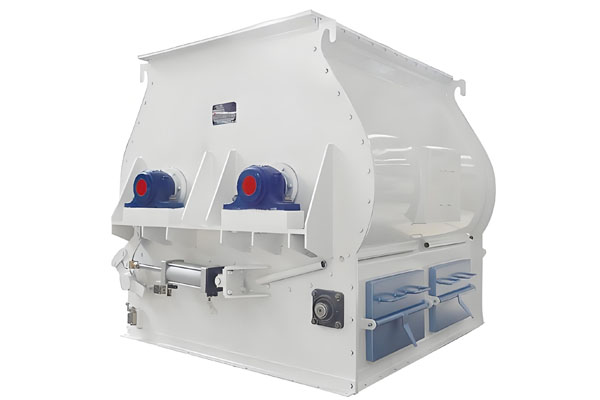
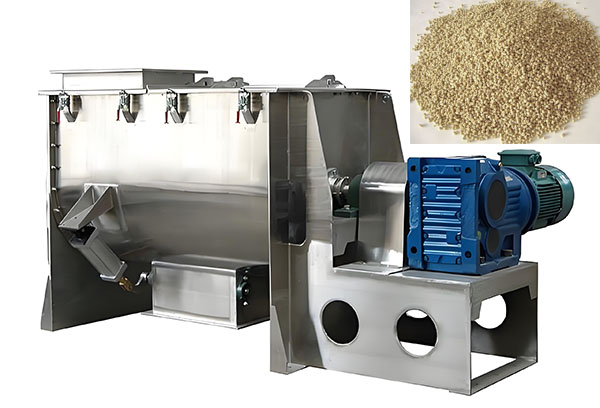
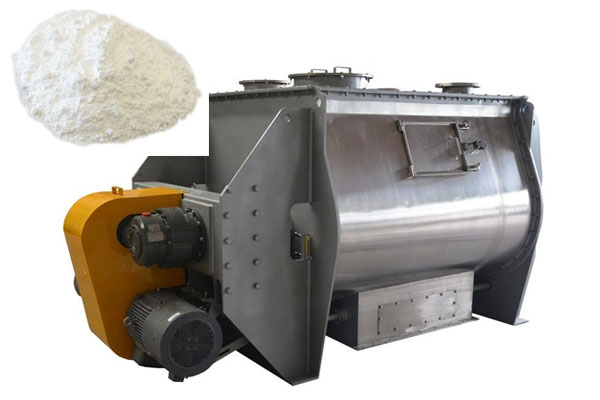
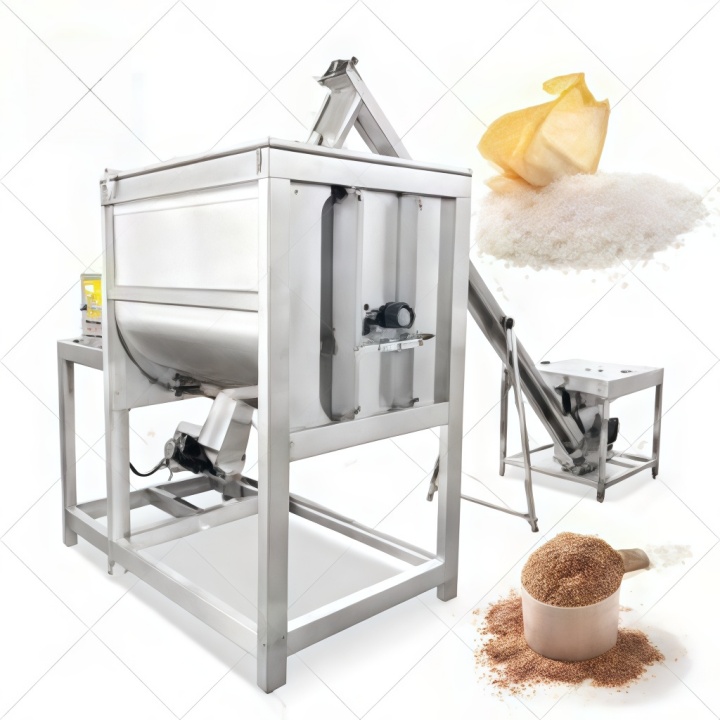
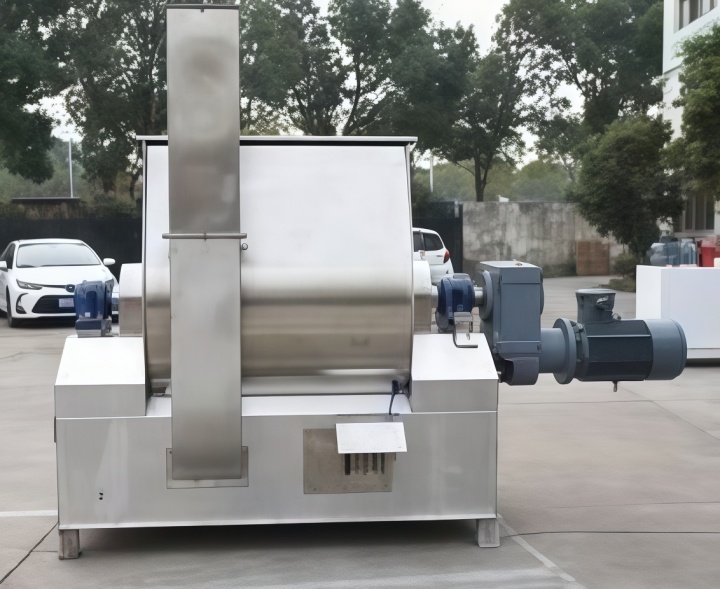
The Single Shaft Paddle Mixer is a horizontal batch mixer that uses paddles mounted on a horizontal shaft to blend powders, granules, and granule mixtures evenly. It achieves a mixing uniformity C.V. of 3% to 7%, a batch cycle of about 120 seconds, discharge in 15 to 20 seconds, and up to 15 batches per hour. With a paddle‑to‑shell clearance of 2 to 5 mm, residual material is kept below 0.05%. The Single Shaft Paddle Mixer maintains precision even at a mix ratio of 1:100,000.
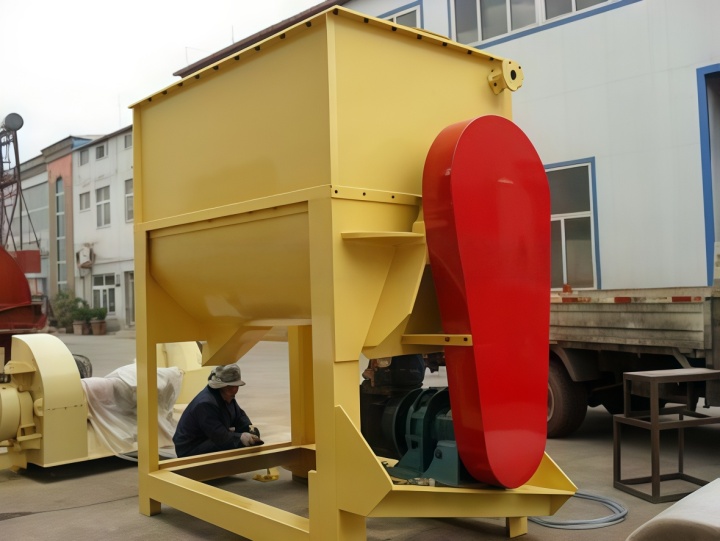
How does the Single Shaft Paddle Mixer achieve uniform mixing?
The heart of this equipment is a horizontal shaft fitted with multiple paddle sets at specific angles. When the motor rotates the shaft, the paddles throw material upward from the bottom, creating convective, shear, and diffusive motions. The 2‑to‑5‑mm clearance between paddles and shell eliminates dead zones. Particles constantly change relative positions, resulting in a uniform final blend.
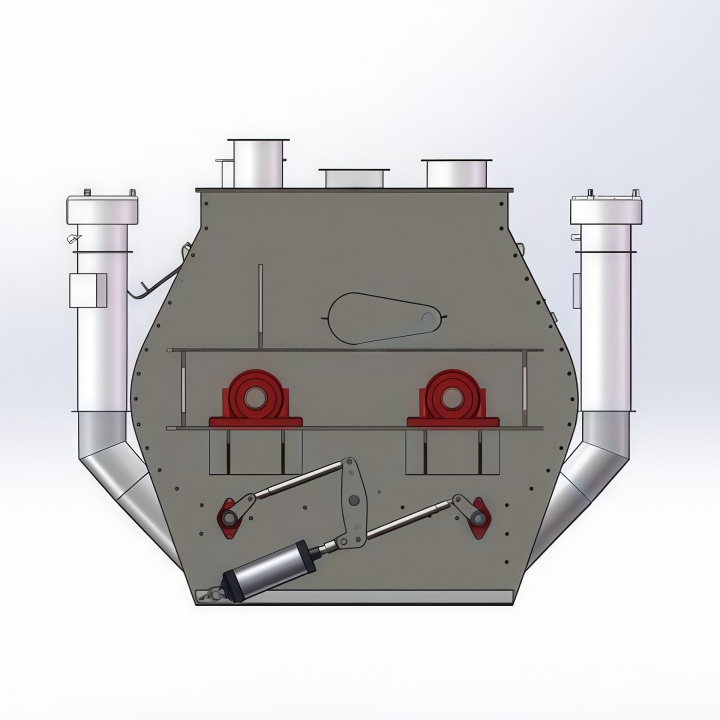
The main technical parameters of the Single Shaft Paddle Mixer
| Model | Effective Volume | Total Volume | Speed | Power | Weight |
|---|---|---|---|---|---|
| SPM-300 | 300 L | 420 L | 53 rpm | 5.5 kW | 660 kg |
| SPM-500 | 500 L | 650 L | 53 rpm | 7.5 kW | 900 kg |
| SPM-1000 | 1000 L | 1350 L | 45 rpm | 11 kW | 1380 kg |
| SPM-2000 | 2000 L | 2600 L | 39 rpm | 18.5 kW | 2350 kg |
| SPM-3000 | 3000 L | 3800 L | 39 rpm | 22 kW | 2900 kg |
Power supply: 3‑phase AC 208‑415 V, 50/60 Hz. Available in carbon steel, 304 stainless steel, or 316L stainless steel. Optional Rilsan shaft coating, ATEX22 explosion‑proof components, and upgraded drive power.
What are the core advantages of the Single Shaft Paddle Mixer?
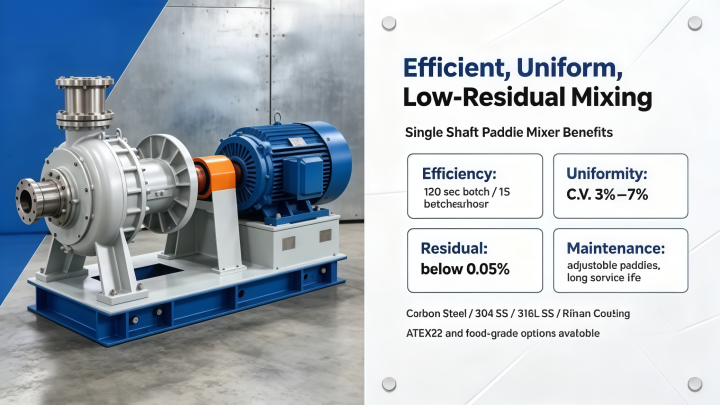
The Single Shaft Paddle Mixer excels in mixing efficiency, uniformity, low residual, and maintenance economy. Specific benefits include:
Short mixing time – 120 seconds per batch, 15‑20 seconds discharge, up to 15 batches/hour.
Good uniformity – C.V. of 3% to 7%.
Low residual – 2‑to‑5‑mm clearance and full‑length pneumatic discharge door keep residual below 0.05%.
Easy maintenance – Paddle angles are adjustable, and worn paddles can be replaced individually. Under normal conditions, they offer long service life. A tracking survey of 12 plants shows an average MTBF exceeding 6,000 hours and annual maintenance cost of only 3‑5% of purchase price.
Flexible material options – carbon steel, 304 SS, 316L SS, or Rilsan coating.
Which materials and industries is the Single Shaft Paddle Mixer suitable for?
The Single Shaft Paddle Mixer handles powder‑powder, granule‑granule, powder‑granule, and light liquid‑addition tasks. It is particularly effective for materials with large differences in density and particle size. Typical applications include:
Food – cereal flours, coffee powder, flavored tea powders, yeast mixtures, nuts and beans.
Feed & premix – animal feed, aquafeed, pet food, vitamin and mineral premixes.
Chemicals – plastic resins, pigments, dry mortar, ceramic raw materials.
Pharmaceuticals – medicinal powders, health ingredient blends.
Others – battery materials, pesticides, fertilizers.
Choose the right Single Shaft Paddle Mixer model for your production needs
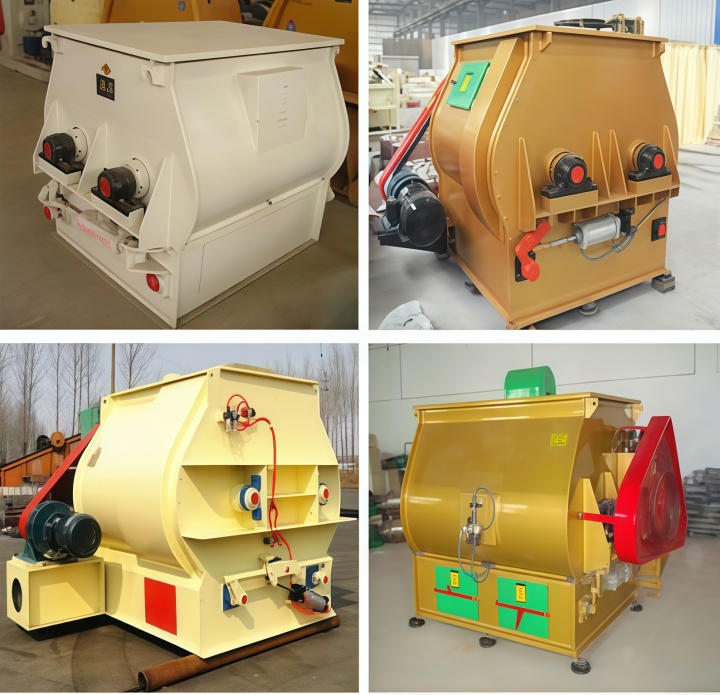
Selection of the Single Shaft Paddle Mixer should consider capacity, material characteristics, and production rhythm. Key points:
Match batch weight to effective volume, with a loading factor of 0.6‑0.8.
Corrosive materials require 316L stainless steel; abrasive materials need special attention to paddle hardness.
High‑throughput operations benefit from full automatic control systems.
Optional upgrades include stainless steel construction, ATEX22 components, and higher drive power.
What are the installation and maintenance essentials for the Single Shaft Paddle Mixer?
Installation quality affects the stability of the Single Shaft Paddle Mixer, and regular maintenance determines its service life. Essentials include:
Foundation levelness should be controlled within 0.5 mm/m.
Reserve at least 1.5 m of clearance above the inlet and 1 m below the outlet for maintenance access.
The most common installation issue is foundation unlevelness – use a laser level rather than a traditional bubble level.
Regularly inspect paddle wear, seal condition, and bearing lubrication.
What certifications does the Single Shaft Paddle Mixer have?
The electrical system of the Single Shaft Paddle Mixer is CE‑certified. Stainless steel models comply with EU 1935/2004 food contact material regulations. Manufacturing follows ISO 9001:2015. ATEX22 explosion‑proof components are optional.
Frequently Asked Questions about the Single Shaft Paddle Mixer
Can the Single Shaft Paddle Mixer add liquids?
Yes – liquids can be sprayed evenly through nozzles, with a typical addition ratio of up to 5%.
What if abnormal noise or vibration occurs with the Single Shaft Paddle Mixer?
Check bearing wear, loose paddle or shaft bolts, and for foreign objects in the mixing chamber.
Can the Single Shaft Paddle Mixer run continuously?
It is designed for batch operation, but with buffer bins and automation, multiple batches can run in sequence – up to 15 batches per hour.