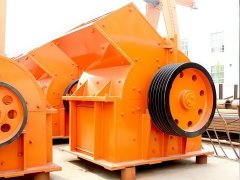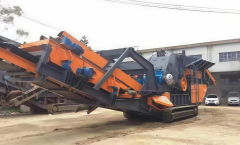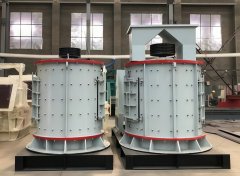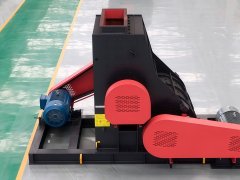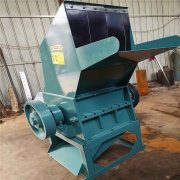
PET Bottle Crusher
What is a PET Bottle Crusher?
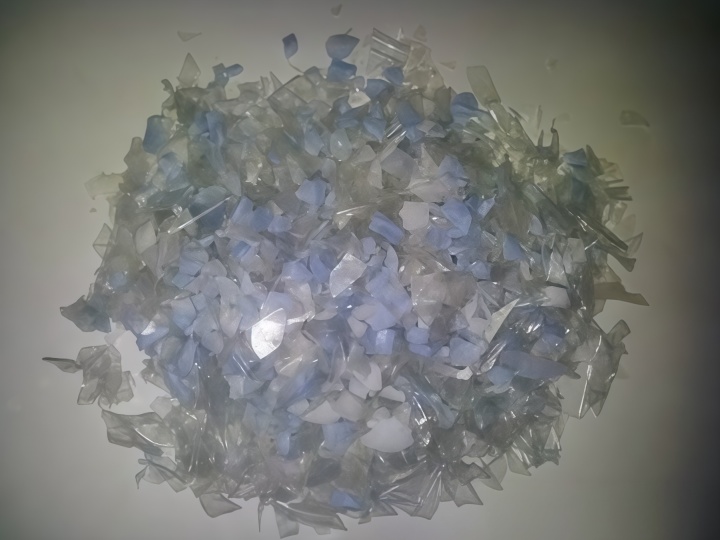
In a post-consumer PET bottle recycling line, the PET Bottle Crusher is the first piece of equipment that determines downstream washing and pelletizing efficiency. PET, or polyethylene terephthalate, is the most widely used beverage packaging material in the world. This equipment processes whole PET bottles into uniform flakes ranging from 10 to 30 millimeters in diameter, providing standardized feedstock for subsequent washing, sorting, and pelletizing operations. A medium-sized equipment processes 300 to 500 kilograms of waste PET bottles per hour, and its output trades at approximately 385 to 510 USD per ton on the recycling market.
How Does a PET Bottle Crusher Work?
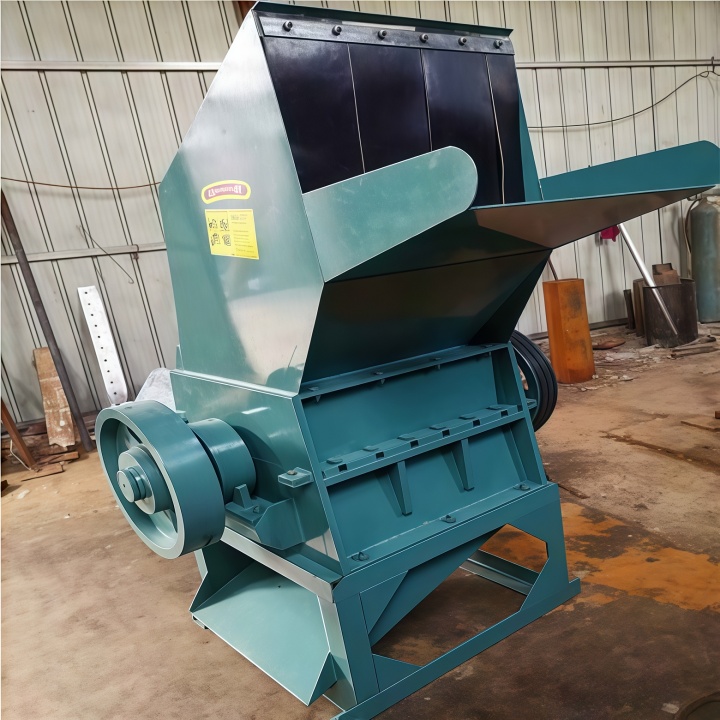
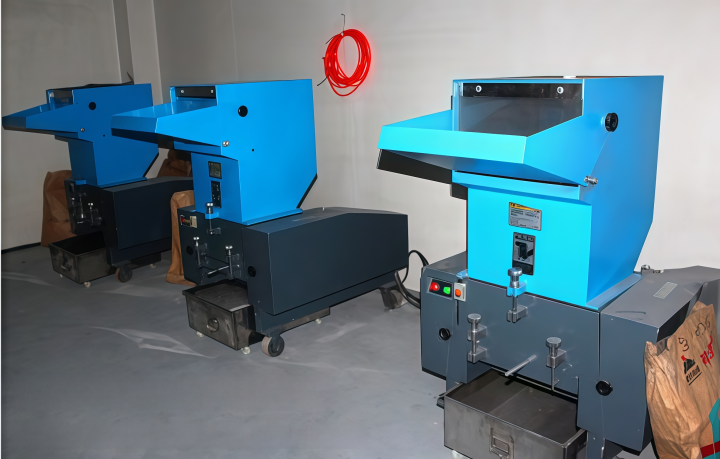
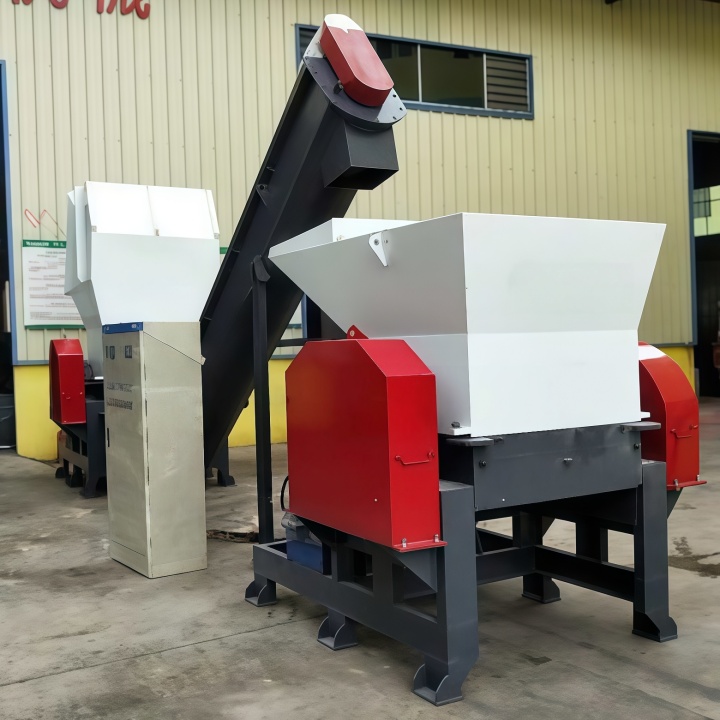
The PET Bottle Crusher operates on a mechanism that combines shearing and compression forces. During operation, PET bottles enter the sealed crushing chamber through the top hopper. The chamber contains a set of high-speed rotating blades and fixed blades mounted on the chamber walls, with the rotor speed reaching several hundred revolutions per minute. As PET bottles pass through the gap between the rotating and fixed blades, the cutting edges shear the bottle bodies into fragments. Simultaneously, the geometric configuration of the crushing chamber applies compressive forces that further break down the material. Fragment size is controlled by the screen mesh at the bottom of the chamber. Particles that meet the size specification pass through the screen, while oversized particles remain in the chamber for further crushing. The entire process runs continuously without manual intervention.
Technical Specifications of the PET Bottle Crusher
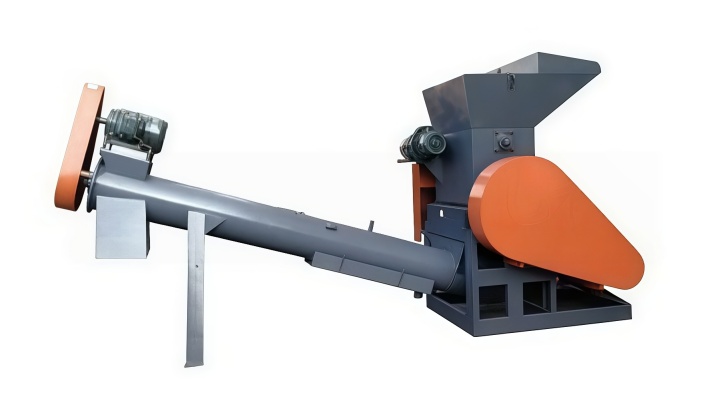
| Parameter | SPC500/500 | SPC700/1000 | SWP1000BE-6 | GWCRH-8060 |
| Processing Capacity | 500 kg/h | 1500 kg/h | 1500–1800 kg/h | 1000–2000 kg/h |
| Motor Power | 45 kW | 75 kW | 55 kW | 45 kW |
| Rotating Blades | 8 pcs | 16 pcs | 6 pcs | 4 sets |
| Fixed Blades | 3 pcs | 6 pcs | 4 pcs | — |
| Screen Mesh Size | 10–20 mm | 10–20 mm | Ø20 mm | Customizable |
| Feed Opening Size | 500×500 mm | 700×1000 mm | 1010×650 mm | 810×760 mm |
Different models of it can be selected based on actual production requirements, and the screen mesh size can be customized within the range of 10 to 20 millimeters. The blade material is SKD11 alloy steel, suitable for long-term continuous operation.
What Are the Advantages of a PET Bottle Crusher?
A properly selected PET Bottle Crusher optimizes the cost and efficiency structure of a recycling facility across multiple dimensions.
In terms of space and logistics, the equipment reduces the volume of PET bottles to approximately one-tenth of their original size, lowering storage and transportation costs.
In terms of production line efficiency, the uniform flakes produced by the equipment flow smoothly through washing and drying stages, and overall line efficiency can increase by more than 100 percent.
In terms of maintenance costs, blades can be replaced individually when worn, without the need to replace the entire rotor assembly, minimizing maintenance workload.
In terms of material compatibility, this equipment also processes PET preforms, thin-walled hollow plastic containers, and other forms of PET waste.
What Are the Application Scenarios for a PET Bottle Crusher?
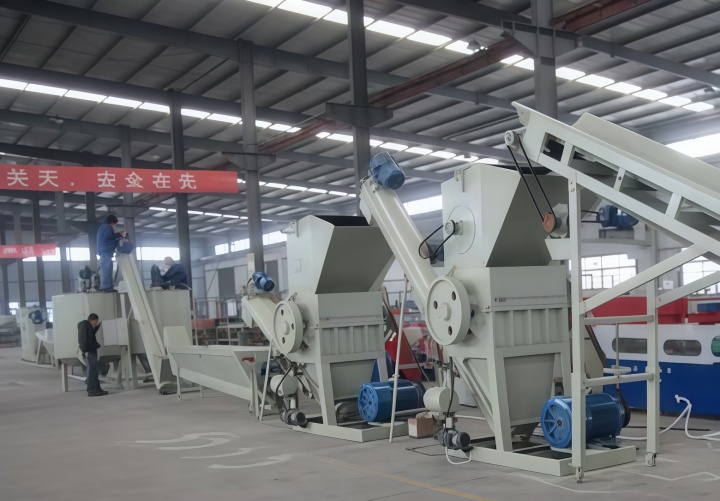
Post-consumer PET beverage bottle recycling is the primary application scenario for the PET Bottle Crusher. Mineral water bottles and carbonated soft drink bottles are crushed before entering the washing and pelletizing stages, where they are converted into recycled PET raw material.
In PET bottle manufacturing facilities, defective preforms, blow-molded rejects, and edge trim can be crushed on-site by it and reintroduced into production.
PET packaging sheets and thermoforming edge trim are also suitable for processing with the PET Bottle Crusher, with the crushed material returning to production as recycled feedstock.
Crushed PET flakes can be further processed into polyester staple fiber for the textile industry. In some cases, the output from the equipment can be supplied directly to fiber production lines.
How to Choose the Right PET Bottle Crusher?
Selecting a PET Bottle Crusher involves consideration of three factors: processing capacity, feed compatibility, and blade material.
Processing capacity is the primary selection criterion. Calculate the daily PET waste generation volume and add a 30 percent margin to accommodate peak production periods and future capacity expansion.
Feed opening size directly relates to feed compatibility. The feed opening must be larger than the maximum dimensions of the material to be processed. This is a basic requirement for avoiding blockages.
Blade material affects operating costs. SKD11 alloy steel strikes a balance between sharpness retention and durability, making it suitable for crushing most PET materials.
Operation and Maintenance of the PET Bottle Crusher
Before startup, perform a no-load test run to check the machine's operating status and listen for abnormal noise or vibration. During feeding, maintain a uniform feed rate to avoid overloading caused by feeding too much material at once. Operators must wear gloves, safety goggles, and ear protection.
Inspect blade wear regularly. Worn blades can be flipped or re-sharpened and reused. Bearings must be lubricated with grease at regular intervals and in the amounts specified in the equipment manual. If abnormal noise occurs, check blade clearances and whether component bolts are loose.
Frequently Asked Questions About the PET Bottle Crusher
How should overheating of the bearings on a PET Bottle Crusher be handled?
Shut down the machine and inspect it. Apply grease according to the equipment manual. If the bearings are damaged, they must be removed and replaced.
How often do the blades on a PET Bottle Crusher need to be replaced?
This depends on throughput volume and material cleanliness. Under normal operating conditions, the blades can run for hundreds to thousands of hours and can be flipped or re-sharpened when worn.
What causes excessive noise during PET Bottle Crusher operation?
Excessive noise is typically related to machine vibration. Check whether blade clearances are correct and whether component bolts are loose. Regular maintenance helps keep noise levels under control.
How can screen mesh blockage on a PET Bottle Crusher be resolved?
Blockage may be caused by an overly small mesh size or an excessive feed rate. Replacing the screen with one having a larger mesh size improves throughput.