Powder Pulverizer Machine
What Is a Powder Pulverizer Machine?
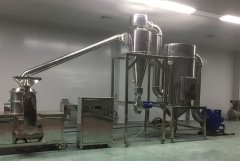
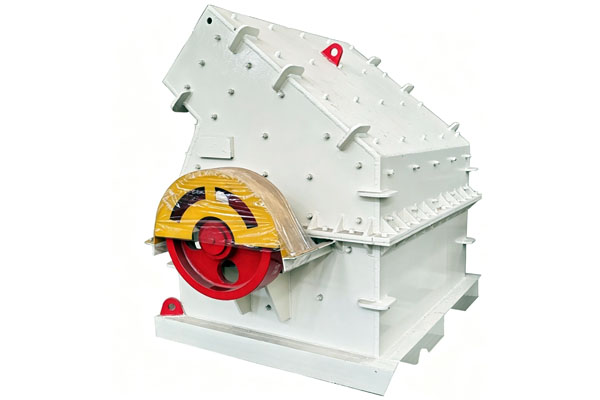
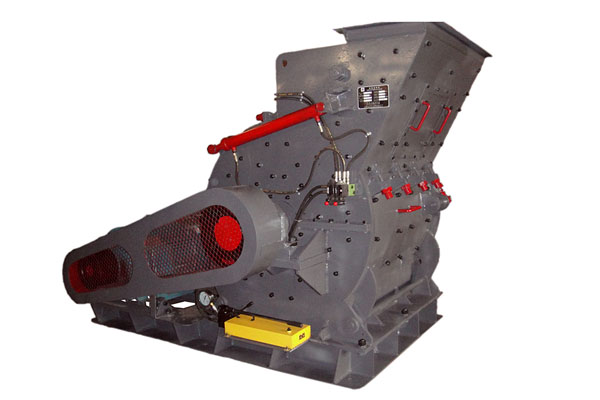
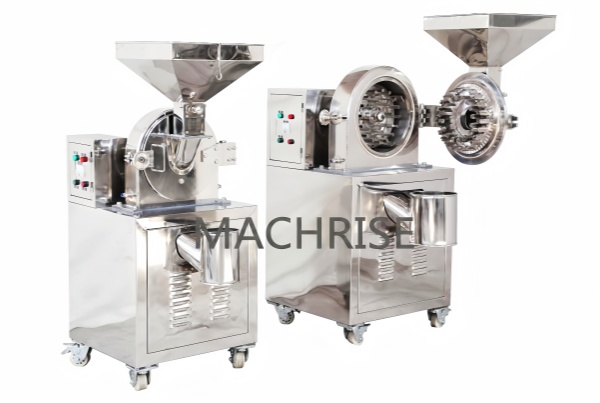
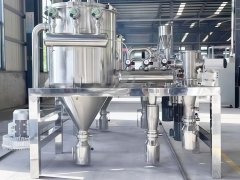
Powder Pulverizer Machine is industrial equipment that reduces solid materials to powder through mechanical force, relying on a high-speed rotating disc to apply impact and shearing action to materials, processing lump or granular raw materials into uniform powder. This equipment is suitable for material grinding in pharmaceutical, food, and chemical industries. The standard configuration can grind materials to 12 to 120 mesh, with hourly capacity ranging from 10 to 600 kilograms, depending on material characteristics and model selection.
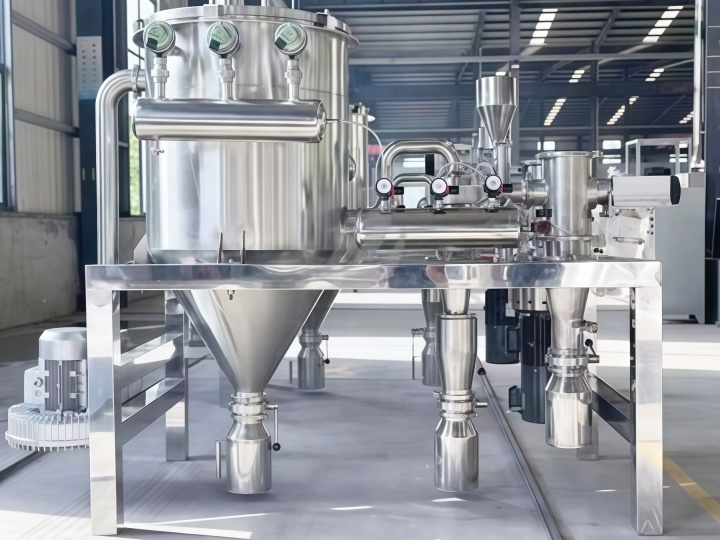
The entire unit is constructed from stainless steel, with material-contact parts resistant to acid and corrosion, meeting hygiene requirements. The grinding chamber interior is precision-machined to reduce material residue. Our quality control department conducts continuous operation tests on each unit before shipment, and all parameters meet standard requirements.
How Does a Powder Pulverizer Machine Work?
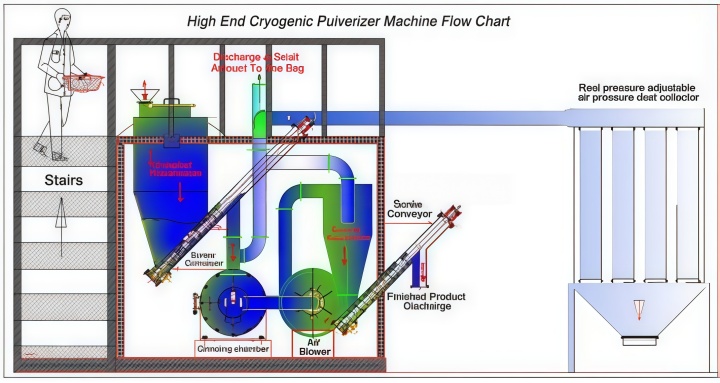
Powder Pulverizer Machine is a high-speed mechanical device where materials are pulverized through high-speed blade shearing. From feeding to discharge, materials pass through four consecutive stages: feed distribution, impact crushing, shearing refinement, and air classification. These stages work together to complete the transformation from lump raw materials to uniform powder.
Feed distribution stage: Materials are uniformly fed into the grinding chamber through a screw feeder, with feed speed regulated by a variable frequency drive to avoid overloading.
Impact crushing stage: The main shaft rotates at 2350 to 4400 RPM, and large material pieces are fractured into particles through multiple impacts between the disc and fixed toothed disc.
Shearing refinement stage: Particles undergo shearing and friction in the annular gap between the disc edge and the ring gear, gradually reducing to the target fineness.
Air classification stage: Particles meeting the fineness requirement pass through the screen and discharge, while oversized particles return to the grinding chamber for further processing. Particle size can be adjusted by changing the screen or modifying the rotational speed. The entire grinding process is completed in a sealed chamber to control dust emission. After-sales engineers report that during continuous operation, dust emission concentration remains below workshop hygiene standard requirements.
Technical Parameters of a Powder Pulverizer Machine
Powder Pulverizer Machine specifications vary by model. The following table provides a complete technical parameter comparison across all models, with data sourced from factory testing under standard conditions:
| Model | Dimensions L×W×H mm | Hourly Capacity kg/h | Output Fineness Mesh | Spindle Speed RPM | Total Power kW | Machine Weight kg |
| GFSJ-8 | 1050×600×1600 | 10-100 | 12-120 | 2350-4360 | 3-4 | 150 |
| GFSJ-16 | 1100×860×1600 | 30-200 | 12-120 | 1000-4400 | 7.5 | 250 |
| GFSJ-32 | 1280×950×1600 | 50-400 | 12-120 | 1000-4400 | 11 | 320-400 |
| GFSJ-48 | 1380×1200×1750 | 100-600 | 5-80 | — | 18.5 | 600 |
| PNMF-300 | 3700×1500×3700 | 30-50 | 20-120 | — | 15 | approx.3000 |
| PNMF-800 | — | 400-800 | 20-120 | — | 75-90 | — |
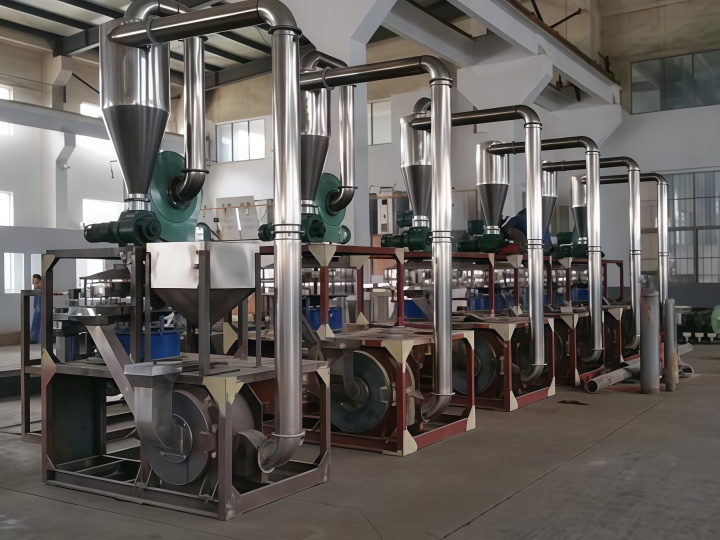
The GFSJ series is a general-purpose grinder. The PNMF series uses a disc grinding structure with grinding disc diameters from 300 to 800 mm, suitable for processing medium-hardness, impact-resistant, and brittle materials. The PNMF-800 has a main motor power of 75 to 90 kW with an hourly capacity of 400 to 800 kilograms.
What Advantages Does a Powder Pulverizer Machine Offer?
Powder Pulverizer Machine delivers practical value in three areas: structural maintenance, operational stability, and energy consumption performance. The following are specific details.
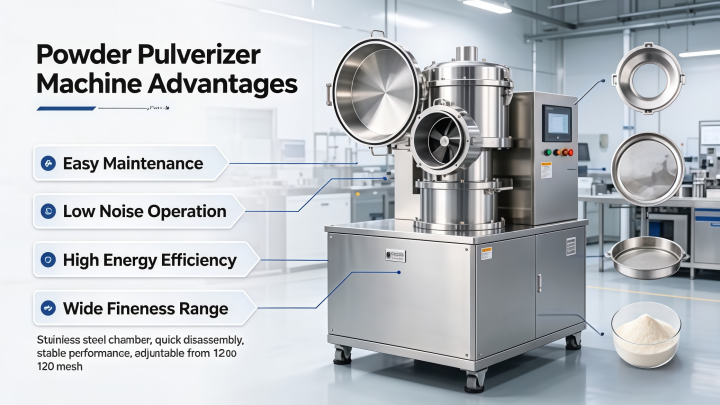
Simple structure for easy maintenance: The grinding chamber of the Powder Pulverizer Machine can be disassembled and cleaned without special tools.
Stable operation with low noise: The equipment runs smoothly and is easy to move, with noise controlled at relatively low levels, suitable for continuous production environments.
Good energy consumption performance: When grinding corn with a 1.2mm screen, hammer mills produce no less than 48 kilograms per kilowatt-hour, with some units reaching 70 to 75 kilograms per kilowatt-hour. Our factory tests verify that this machine produces over 65 kilograms per kilowatt-hour when grinding corn with a 1.2mm screen.
Wide fineness adjustment range: Output fineness is adjustable from 12 to 120 mesh by changing screens or adjusting spindle speed, meeting grinding requirements for different materials.
What Materials Can a Powder Pulverizer Machine Process?
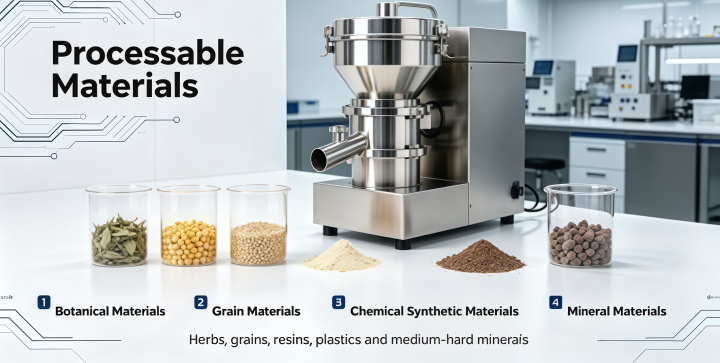
Powder Pulverizer Machine can process multiple material types including botanical, grain, chemical synthetic, and mineral materials.
Botanical materials include Chinese medicinal herbs such as astragalus, angelica, and notoginseng, as well as various spices, with grinding fineness ranging from 50 to 300 mesh.
Astragalus can be coarsely ground through a 60 to 80 mesh screen before further ultrafine grinding. Grain materials include corn, wheat, rice, and beans, and this equipment is widely used in grain processing for preparing various flour products.
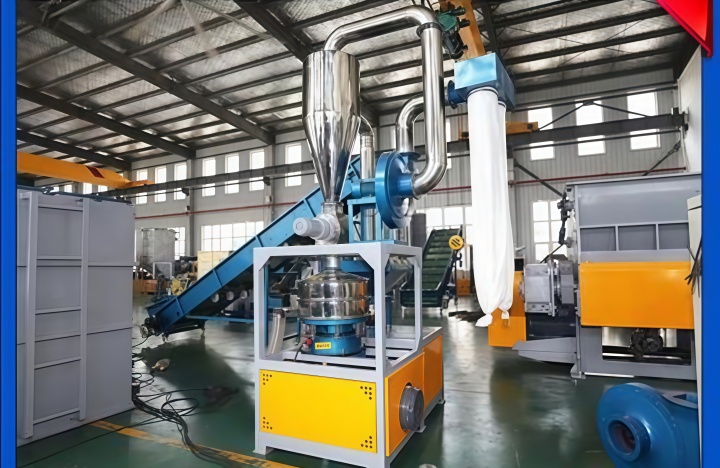
Chemical synthetic materials include resin pellets, pigments, and dyes, with the PNMF series specifically used for plastic powder processing, capable of handling PE, HDPE, PP, PS, ABS, EVA, PET, and nylon.
Mineral materials include coal and limestone with medium hardness. After-sales feedback indicates that equipment runs stably when processing materials below Mohs hardness 4, with disc wear within normal ranges.
Select a Powder Pulverizer Machine Model
Powder Pulverizer Machine selection should be determined based on material characteristics and production targets.
Material hardness: Materials with lower hardness, such as botanical and grain materials, can use the GFSJ series. Medium-hardness and impact-resistant materials like plastic resins should use the PNMF series disc grinder.
Target fineness: For conventional grinding requiring 12 to 120 mesh, all GFSJ series models are suitable. For ultrafine powder applications with higher fineness requirements, models equipped with classification systems are recommended.
Daily capacity: For hourly capacity under 100 kilograms, choose GFSJ-8. For 100 to 400 kilograms, choose GFSJ-32. For over 400 kilograms, choose GFSJ-48 or large PNMF series models.
Moisture content: Materials with excessive moisture content require drying pretreatment; otherwise, grinding performance and screen life will be affected.
Frequently Asked Questions About Powder Pulverizer Machine
What is the difference between GFSJ and PNMF series for a Powder Pulverizer Machine?
The GFSJ series is a general-purpose grinder suitable for pharmaceutical, food, and chemical industries. The PNMF series is a disc-type plastic grinder used for powder processing of PE, PP, ABS, nylon, and other plastic materials, with disc diameters from 300 to 800 mm.
What is the maximum feed size for a Powder Pulverizer Machine?
The GFSJ series requires feed particle size below 10 to 15 mm. Materials exceeding this size require pre-crushing before entering the grinding stage.
How to adjust the fineness of a Powder Pulverizer Machine?
Fineness adjustment can be achieved in two ways: changing the screen mesh size, or adjusting the spindle speed. Both methods can be used individually or in combination.
What is the blade maintenance requirement for a Powder Pulverizer Machine?
Grinding blades require sharpening maintenance after approximately 2 days of continuous full-load operation. The blades feature a double-sided cutting edge design, with service life ranging from 500 to 1000 hours, and can be resharpened repeatedly.