Impact crusher price
Wednesday April-22 2026 16:10:21
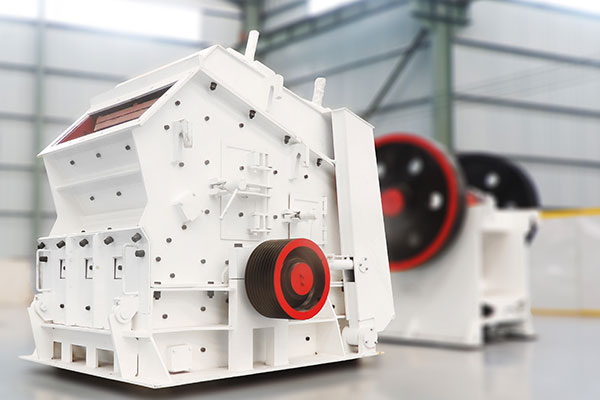
Impact crusher, with their advantages of large crushing ratio, uniform finished product particle shape, and convenient operation, have become core processing equipment in fields such as sand and gravel aggregates and mining. For purchasers, price is always a key consideration in decision-making, and the market price of impact crushers is not a fixed value. It is affected by multiple factors such as equipment specifications, brand strength, and configuration standards, resulting in significant differences.
Price range for impact crusher
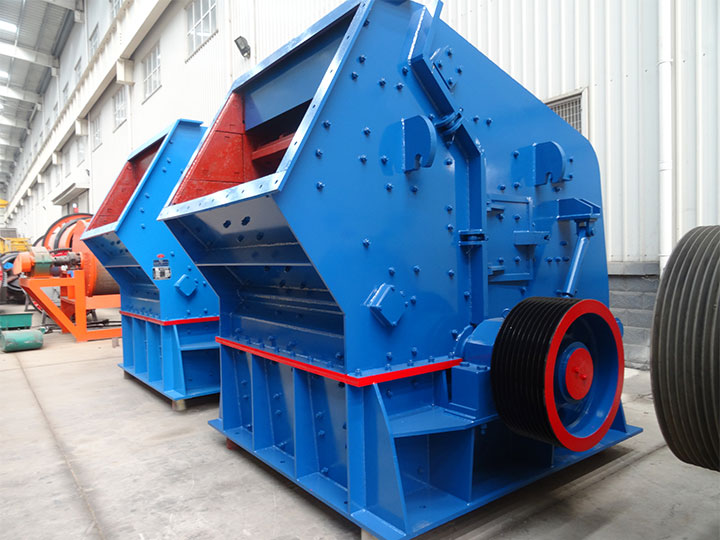
Small models may range from $9,500 to $18,000, medium models from $17,000 to $52,000, and are widely used in medium-sized mines and large sand and gravel aggregate production lines. Large heavy-duty models may range from $58,000 to $280,000. Prices are for reference only.
Factors Affecting the Price of Impact Crusher
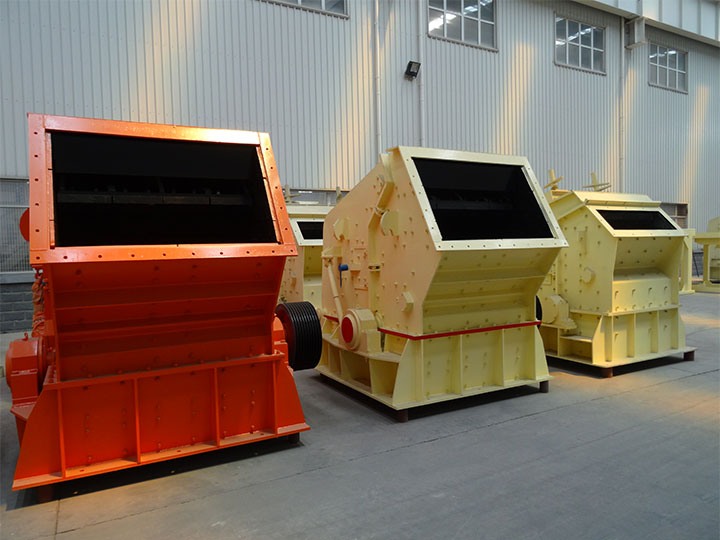
The price difference of impact crushers is essentially a comprehensive reflection of multiple dimensions, including core equipment configuration, manufacturing process, brand quality control system, and materials used. Buyers should pay close attention to the following points when selecting a model:
Equipment Specifications and Processing Capacity:The processing capacity of the equipment directly determines the basic price of the entire machine. A larger processing capacity corresponds to upgrades in rotor diameter and length, crushing chamber volume, main shaft specifications, matching motor power, and frame load-bearing structure. This increases the amount of steel used, casting and processing costs, and power configuration costs, thus raising the equipment price. Within the same series of models, each increase in feed diameter and hourly tonnage leads to a step-by-step increase in overall cost and price. For example, a medium-sized model with an hourly output of 150 tons and a large model with an hourly output of 300 tons may differ in price by more than $80,000 due to differences in the specifications of core components.
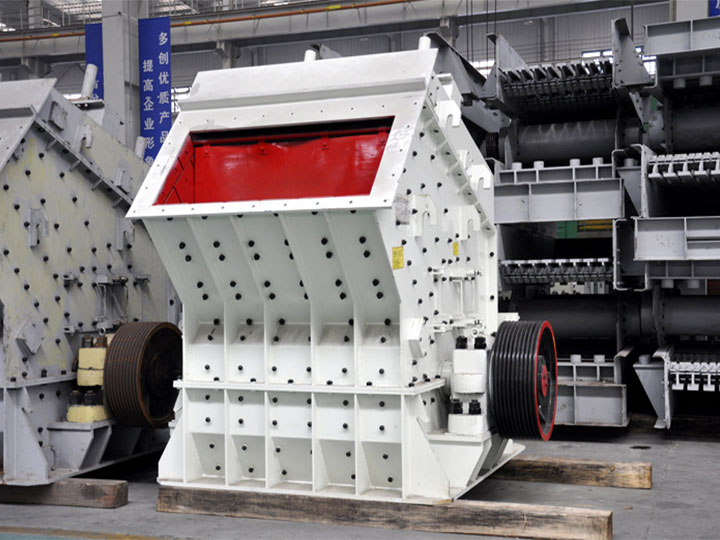
Body Material and Manufacturing Cost: The cost varies significantly depending on the steel specifications used for the machine frame. High-strength steel, compared to ordinary steel, offers greater resistance to pressure and impact, making it suitable for high-intensity crushing operations. This increases the manufacturing cost of the body by approximately 20%, consequently raising the equipment price. The thickness and material grade of the hammers, liners, and impact plates also directly affect the overall cost and price of the equipment.
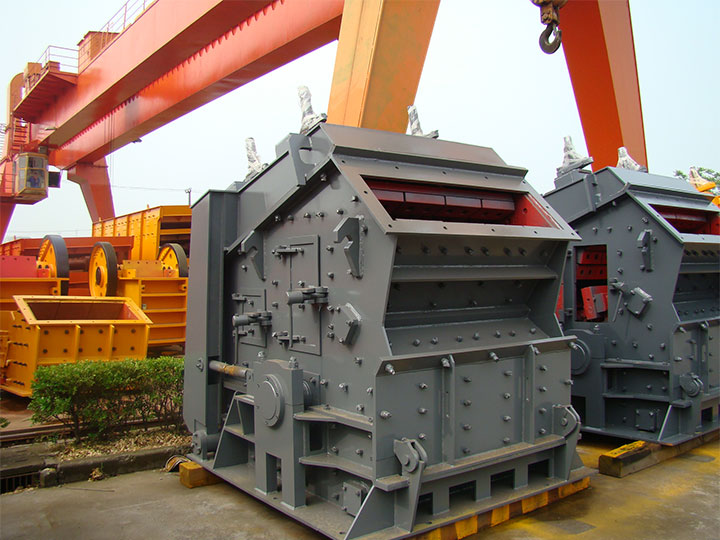
Brand Strength and Manufacturing Process: MACHRISE Machinery Manufacturer has been deeply involved in the R&D and manufacturing of crushing and screening equipment for many years. It possesses independent R&D and design capabilities, precision casting, and integrated machine production capabilities. Compared to ordinary manufacturers, its brand premium is reflected in its comprehensive process advantages: employing high-precision rotor dynamic balancing forging technology and whole-machine welding flaw detection to ensure equipment operational stability while adapting to the production needs of different overseas regions.
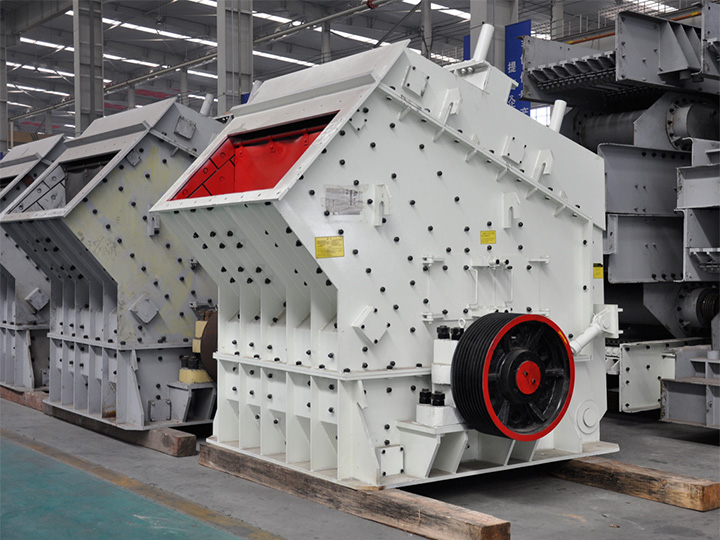
Core Configuration and Additional Functions: Differences in core configurations are a significant reason for price fluctuations. In crushing systems, the materials of the hammer and liners directly affect crushing efficiency and service life. Hammers made of wear-resistant alloy materials can extend service life by more than 30% compared to ordinary high-manganese steel, resulting in a 15%-20% increase in equipment price. In auxiliary systems, the addition of additional functions such as hydraulic opening, automatic lubrication, and dust removal devices can improve the ease of operation and environmental friendliness of the equipment. Each additional core function will increase the price by $1,500-$4,000.
Impact Crusher Selection Recommendations
When purchasing an impact crusher, do not simply pursue the lowest price. A comprehensive assessment is necessary, considering the scale of your project, the hardness of the raw materials, production capacity, operating conditions, budget, and the overseas production environment. Prioritize matching the hourly output requirements, feed particle size, and material hardness of your production line. Choose a reputable brand with original equipment manufacturer (OEM) capabilities to avoid purchasing refurbished or assembled machines. While these may be cheaper, they have high failure rates, lack after-sales support, and incur extremely high maintenance costs. Before purchasing, clearly define the core parameters such as rotor parameters, motor power, crushing chamber structure, hammer material, and adjustment methods to ensure the equipment is suitable for your production needs. Simultaneously, prioritize the manufacturer's after-sales response speed, spare parts supply chain, and warranty period to ensure uninterrupted production operation and minimize downtime losses.
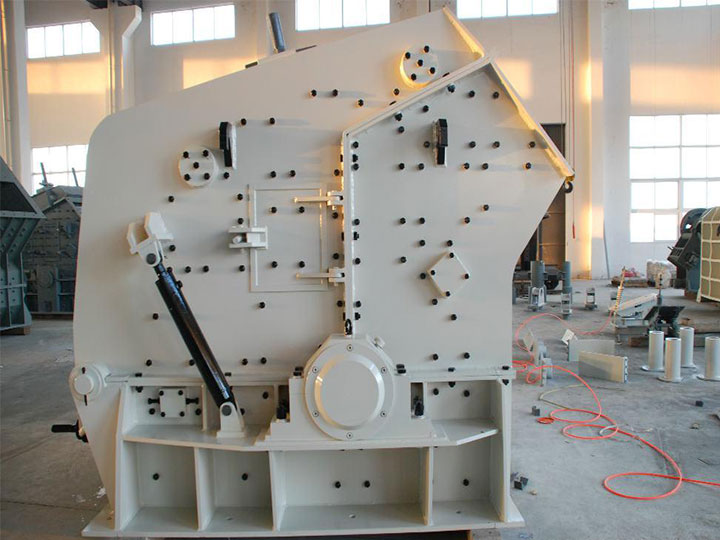
The price of an impact crusher reflects a combination of factors, including equipment specifications, brand strength, core configuration, materials, and manufacturing processes. Prices range from several thousand to hundreds of thousands of US dollars, catering to projects of varying scales and operating conditions. It is recommended to communicate thoroughly with the manufacturer before purchasing, explaining your project parameters and overseas compatibility requirements to obtain specific quotes and customized solutions. This helps avoid procurement losses due to information asymmetry and ensures that the equipment's cost-effectiveness and subsequent maintenance costs are balanced to maximize production efficiency.