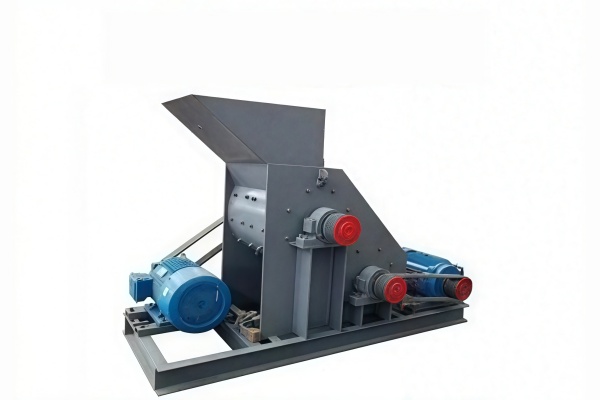
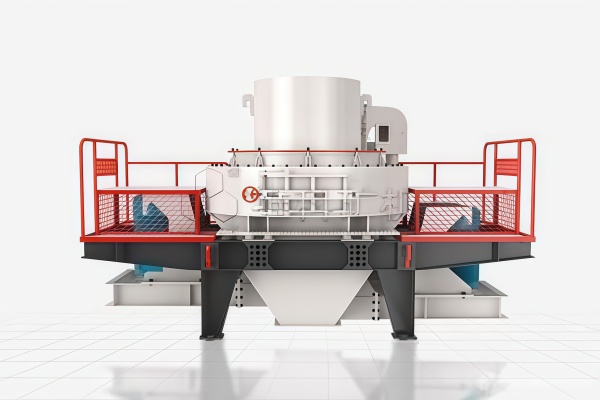
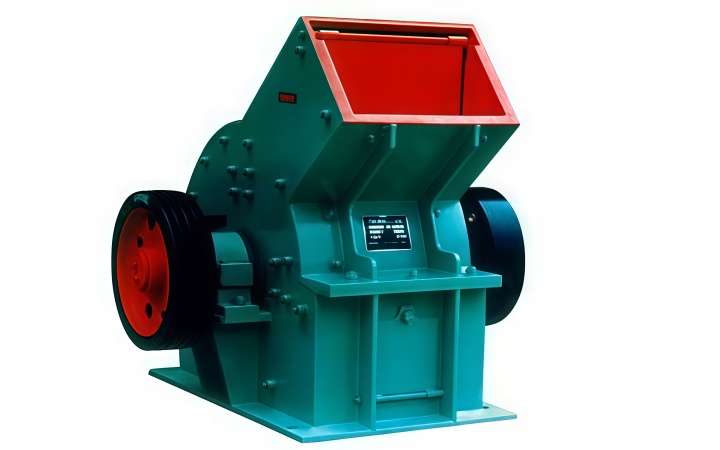
Granite Twin-Rotor Sand Maker for Concrete Batching Selection Guide
Tuesday October-20 2026 16:01:05
Granite Twin-Rotor Sand Maker for Concrete Batching plant projects. Granite Twin-Rotor Sand Maker for Concrete Batching Selection helps project teams evaluate sand production schemes with granite raw materials. Aggregate quality affects the 28-day strength, workability and continuous stability of concrete batching.
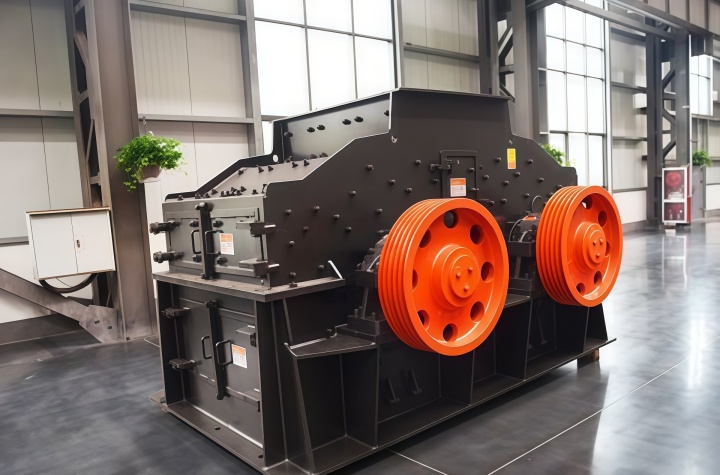
Granite features a Mohs hardness of 6–7 and strong abrasiveness. Aggregate produced by ordinary impact crushing often shows excessive flaky particles and fluctuating stone powder content, which leads to unstable slump on site and such defects persist under continuous production conditions. This article covers six dimensions including performance indicators, site condition evaluation, potential operation risks, pre-commissioning inspection, machine comparison and tonne operational expenditure, for technical teams to reference while drafting technical agreements.
Evaluating basic performance data with Granite Twin-Rotor Sand Maker for Concrete Batching Selection
Concrete fine aggregate shall comply with local project specifications, including ASTM, IS, EN and GB standards. The following three core metrics help assess machine performance, covering fineness modulus, power consumption and feed size.
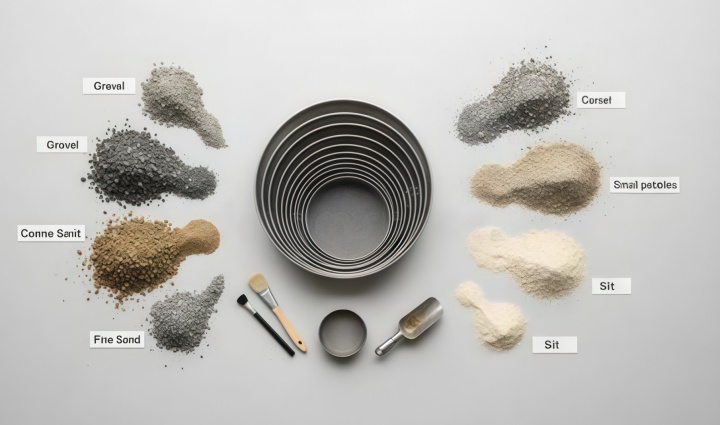
Fineness modulus range of finished sand. Per ASTM standards, fine aggregate for concrete has a valid fineness modulus range of 2.3–3.1. This twin-rotor model maintains readings within 2.6–3.0. Tested under EN 933-3, flaky particle content can be controlled below 10%, suitable for most commercial concrete sand requirements.
Power consumption per tonne. Power consumption of granite sand making ranges 2.5–4.5 kWh per tonne. Consumption varies with crushing chamber design and feed moisture. For an annual output of 300,000 tonnes, the difference in electricity cost can be considerable.
Maximum feed particle size. The twin-rotor machine accepts feed up to 0–50 mm. Oversized stone fed directly into the rotor accelerates hammer wear. Many overseas sites skip primary crushing and feed oversize material, raising maintenance expenditure.
How to assess batching plant site conditions with Granite Twin-Rotor Sand Maker for Concrete Batching Selection
Nominal machine parameters cannot fully reflect real-site performance. Raw material characteristics and site layout influence operation results. Three major factors require assessment in early project stages.
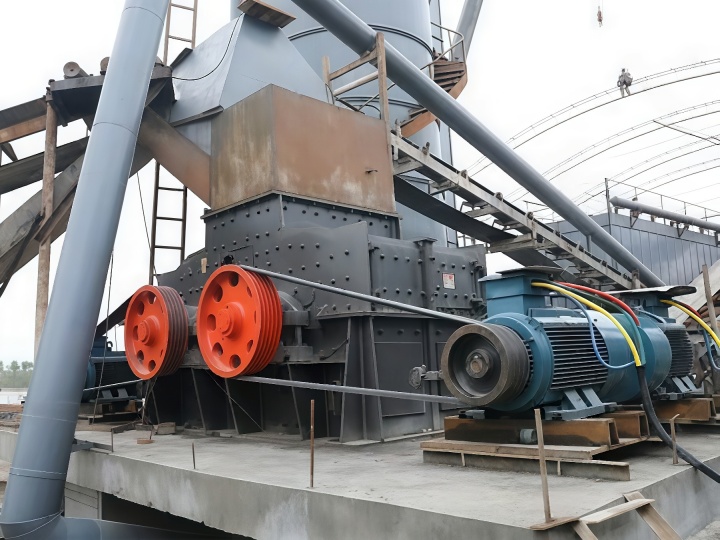
Mud content and moisture of granite raw stock. Pre-washing process is required when mud content exceeds 5%. Per ASTM limits, fines below 75μm should stay within 5–7%. Mud contamination increases water demand of finished sand and raises admixture dosage, a common issue for projects in rainy Southeast Asian regions.
Production matching with batching plant. Overseas sites often select over-sized machines. If a batching plant runs at 60 m³ hourly output while paired with high-capacity sand maker, low-load operation increases unit power draw. Practical rule: sand system output shall match the aggregate demand of the batching plant at 1.2–1.5 times.
Dust control layout. Granite crushing generates heavy dust. Baghouse fans are sized according to main blower capacity. European sites usually have limited space, so ductwork layout needs advance planning. Dust retrofitting on existing plants brings extra work and expenditure.
Potential operational risks during project implementation with Granite Twin-Rotor Sand Maker for Concrete Batching Selection
Twin-rotor machines have inherent structural limits. Early risk identification reduces unexpected shutdowns after commissioning.
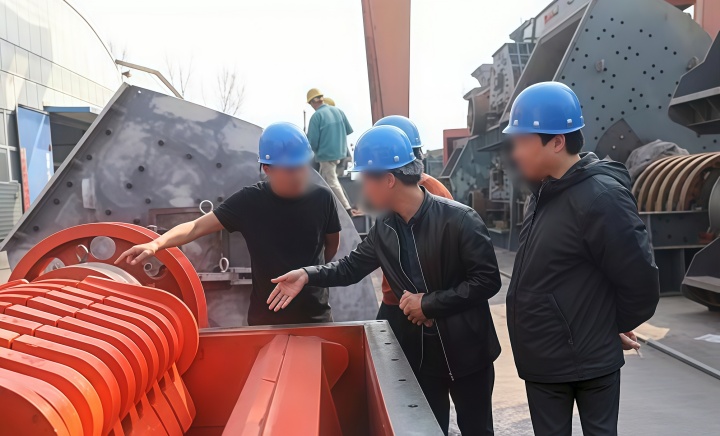
Fineness modulus shift caused by hammer wear. As hammers wear gradually, fineness modulus may rise from 2.7 to above 3.2, resulting in coarser aggregate for concrete. Sampling and sieve testing every 200 operating hours with visual inspection of hammers every four hours is recommended.
Chamber caking and blockage under high feed moisture. When raw material moisture is high, granite fines stick to chamber walls and cause periodic blockage. Sites in tropical rainy zones often add shed cover or pre-drying steps.
Continuous operation under overload. Operating over rated current for extended periods shortens service life of hard alloy hammers, reducing the working interval from 200 hours down to 100 hours. Cut power and implement lockout-tagout before maintenance, this safety rule applies for sites in Europe and America.
Pre-commissioning checks to verify site compatibility for Granite Twin-Rotor Sand Maker for Concrete Batching Selection
Installation completion does not mean the aggregate can be directly supplied for batching. Multi-stage pre-production testing is standard global practice for quality control, covering three inspection and preparation items.
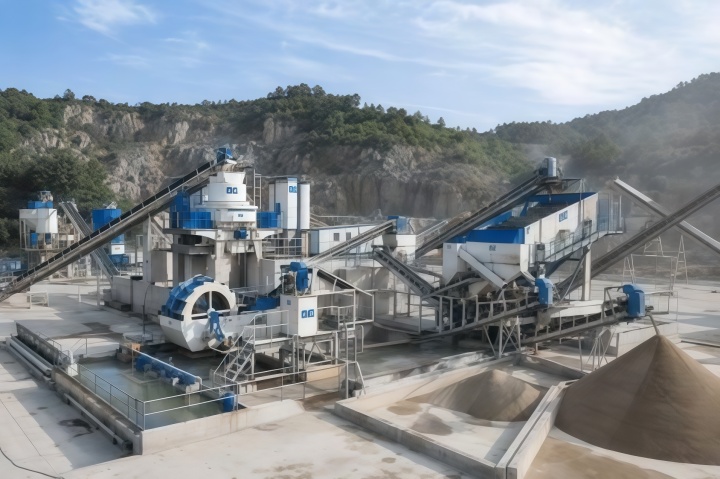
Sampling during 8-hour continuous trial run and sieve analysis. Adjust rotor gaps when fineness modulus drifts beyond target range.
Spare part stocking: prepare hammers, liners and impact blocks. For granite working conditions, hard alloy hammers have working intervals of 100–200 hours; premium tungsten carbide options can reach above 1000 hours. Overseas projects should stock spare parts in advance to avoid waiting time during cross-border delivery.
Operator training covering startup sequence, current monitoring and blockage response, which influences stable performance in the first three months after startup. Archive all trial run reports for review by supervisors or third-party auditors.
Cross comparison of granite sand-making solutions: Granite Twin-Rotor Sand Maker for Concrete Batching Selection against alternative machines
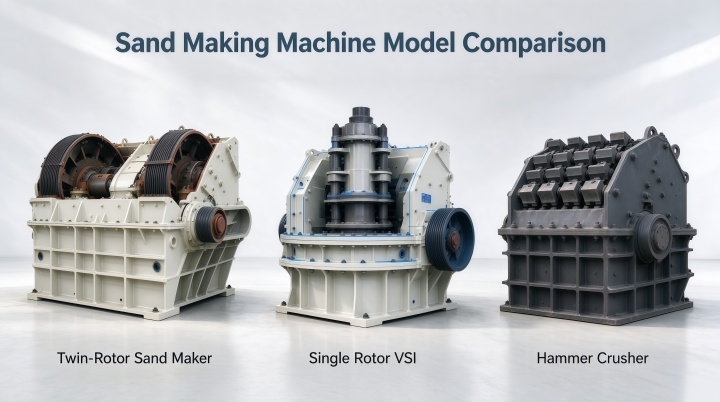
At tender phase, engineering teams evaluate multiple sand making equipment. For highly abrasive granite feed, production metrics and running expenditure differ widely. The table below lists key parameters for side-by-side reference.
| Equipment Type | Fineness Modulus | Flaky Content | Power Consumption(kWh/t) | Hammer Service Interval | Application Scenarios |
| Granite Twin-Rotor Sand Maker for Concrete Batching Selection | 2.6–3.0 | <10% | 2.5–4.5 | 100–200h standard hammer | High-quality concrete batching plants, key projects in Europe, Middle East |
| Single rotor VSI impact crusher | 2.4–3.2 | 12%–18% | 2.5–4.0 | 80–150h | Medium aggregate requirements, regular Southeast Asian sites |
| Hammer crusher | 2.3–3.1 | 18%–25% | 2.0–3.0 | 40–80h | Short-term temporary construction sites |
Calculating tonne operational expenditure while evaluating Granite Twin-Rotor Sand Maker for Concrete Batching Selection
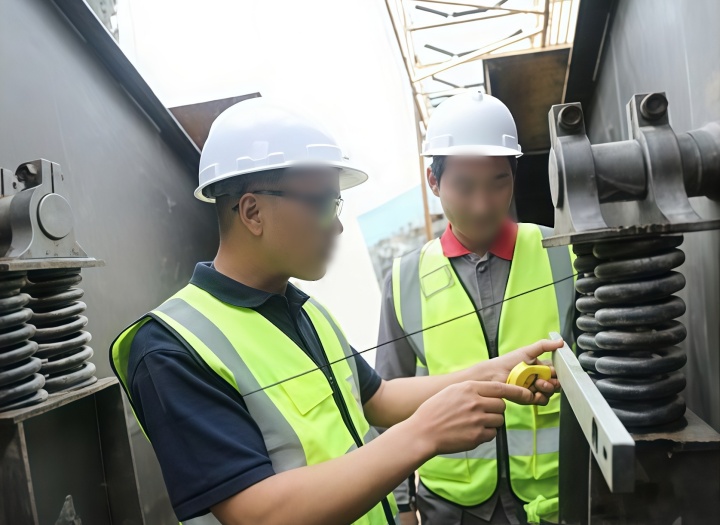
Total expenditure assessment covers procurement, power, wear parts, labour and dust control maintenance. In rock-on-rock crushing mode for granite, wear expenditure stands at $0.10–0.30 per tonne. Combined with power and labour, total operational expenditure ranges $0.08–0.15 per tonne. Hammer wear accelerates under granite conditions. The per-tonne wear cost of hammer crusher is nearly twice that of Granite Twin-Rotor Sand Maker for Concrete Batching Selection. A certain company can provide field test data collected over three consecutive months for budget reference. Many projects only calculate hardware investment and ignore batching plant downtime losses. Unexpected production halt at overseas sites may trigger compensation claims and hidden extra expenditure.
Granite Twin-Rotor Sand Maker for Concrete Batching Selection cannot be assessed merely by nameplate data. Test with local granite raw materials on the project site. This model maintains stable fineness modulus under granite working conditions, which is critical for continuous commercial concrete production.
Comprehensive assessment for Granite Twin-Rotor Sand Maker for Concrete Batching Selection should combine aggregate specifications, site conditions, wear part service intervals and competitor comparisons. This article covers key evaluation points from preliminary technical review to the first months after commissioning. Reach out for refined calculation based on local granite hardness and batching plant output.
Frequently Asked Questions for Project Selection
Engineers often raise questions about screening, foundation design, expenditure and durability during contract negotiation:
Q1: Will granite manufactured sand affect concrete durability when used in batching?
A: Qualified granite manufactured sand will not reduce concrete durability, and angular particles help improve aggregate interlock. When processing stone with Granite Twin-Rotor Sand Maker for Concrete Batching Selection, keep mica and clay content under control. ASTM sets limits for fines below 75μm; exceeding these limits impairs concrete durability.
Q2: What auxiliary screening equipment is needed for granite manufactured sand production?
A: Double or triple deck vibrating screens are common solutions. The upper deck retains coarse particles for re-crushing while the lower deck controls sand fineness. When Granite Twin-Rotor Sand Maker for Concrete Batching Selection is selected, leave 20% extra capacity on screening equipment to prevent material accumulation.
Q3: Is special foundation reinforcement required to handle vibration from sand making equipment?
A: Large-scale machines need independent reinforced concrete foundations with vibration isolators. Smaller units can mount on steel frames. Improper foundation setup transfers vibration to control cabinets and load cells, causing measurement drift. This principle also applies to Granite Twin-Rotor Sand Maker for Concrete Batching Selection.
Q4: How to calculate total operational expenditure between twin-rotor and single-rotor VSI during selection?
A: Total expenditure compares procurement price, power cost, wear part replacement and shutdown losses. Compared with Granite Twin-Rotor Sand Maker for Concrete Batching Selection, twin rotor equipment has procurement price 15–25% higher, yet rock-on-rock mode reduces wear rate and keeps per-tonne operational expenditure in a moderate band.