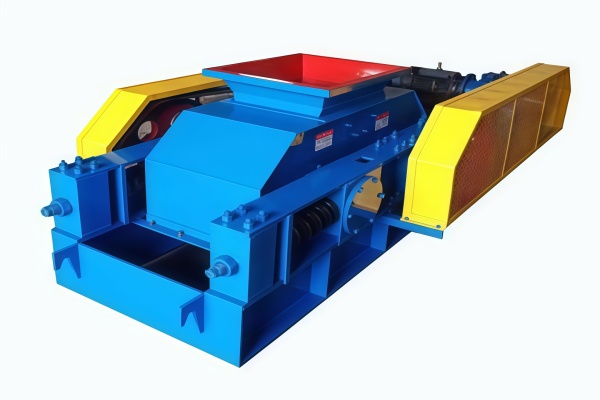
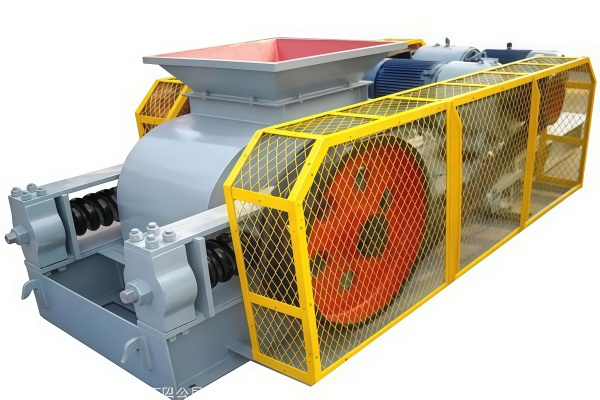
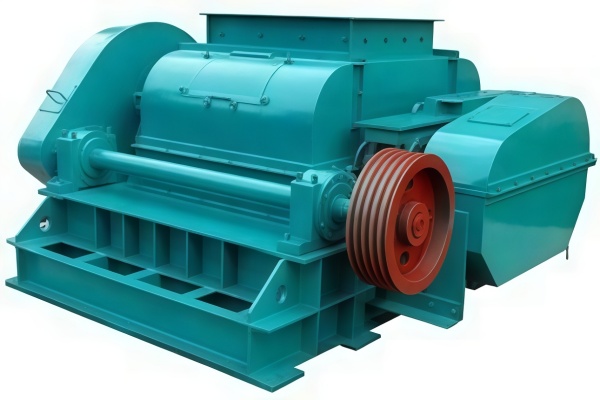
Dolomite Twin-Roll Breaker for Metallurgical Flux Price Guide
Friday September-11 2026 11:29:23
30-Second Overview
Equipment price range: USD 2,000 to 80,000, depending on the 2PG series model, roll surface material grade, and hydraulic system configuration
Core selection parameters: capacity 2 to 140 tons per hour, output size adjustable from 1 to 60 mm, maximum feed size not exceeding 15 to 40 points of the roll diameter
Finished dolomite price: in the second half of 2026, processed grade dolomite is expected to remain at USD 68 to 74 per ton, about USD 53 per ton in China, and about USD 57 per ton in India
Roll surface service life difference: high-chromium alloy roll surface about 800 to 1,500 hours, tungsten carbide composite roll surface wear rate about 60 to 70 points of the high-chromium roll surface
Introduction
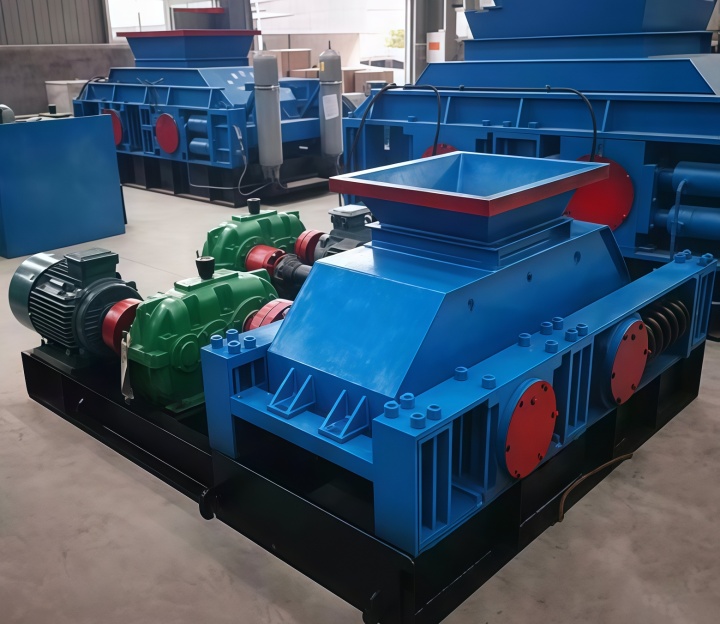
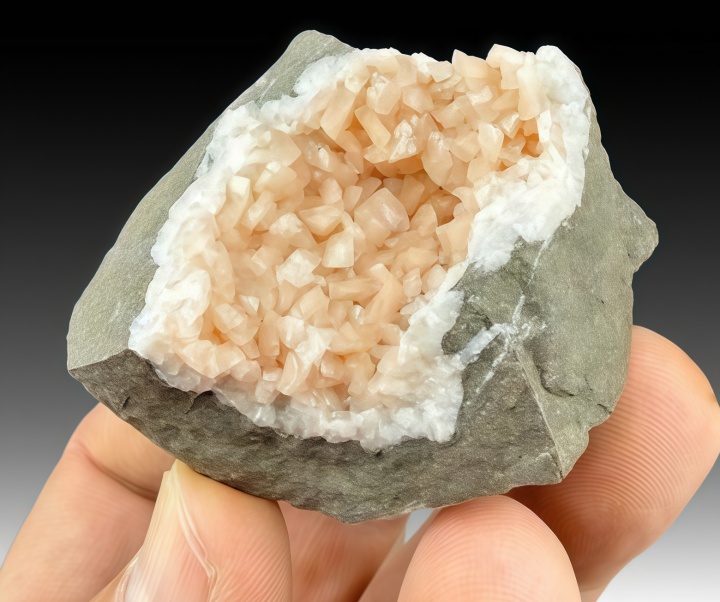
The price of Dolomite Twin-Roll Breaker for Metallurgical Flux first depends on the design logic of the machine itself. Dolomite is used as a steelmaking alkaline flux to adjust slag basicity and remove sulfur and phosphorus impurities.
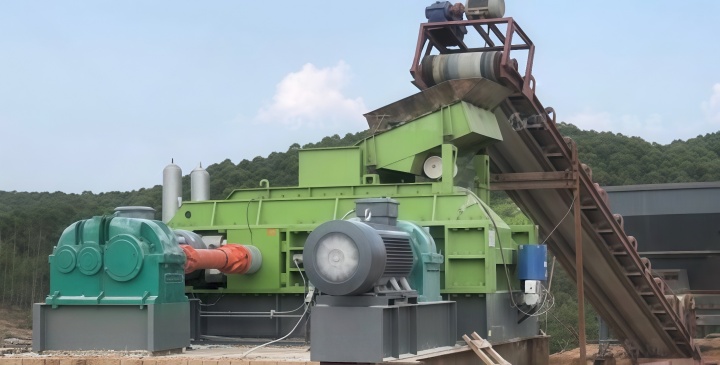
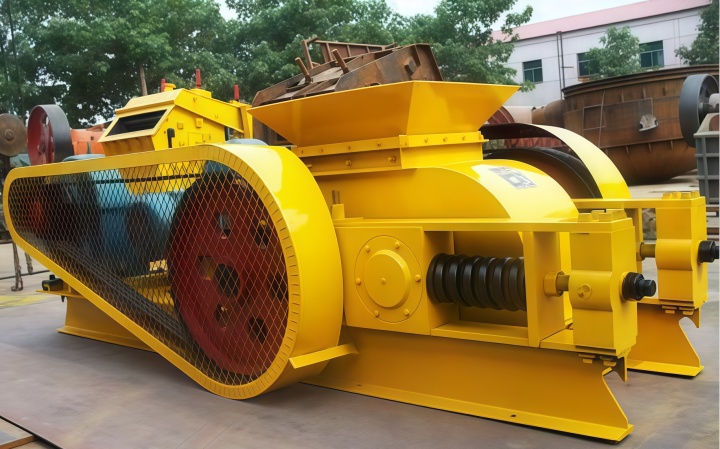
According to Indian Standard IS 10346:2004, metallurgical sinter dolomite requires magnesium oxide content not lower than 19 points, silica content not exceeding 3 points, and output size between 0 and 80 mm. This type of crusher uses two high-strength rolls rotating toward each other to break brittle dolomite along cleavage planes through compression and shear force. Roll gap adjustment accuracy affects the proportion of qualified particle sizes in the output, which is an easily overlooked hidden value point in price negotiations.
Dolomite Twin-Roll Breaker for Metallurgical Flux Price Cost Structure
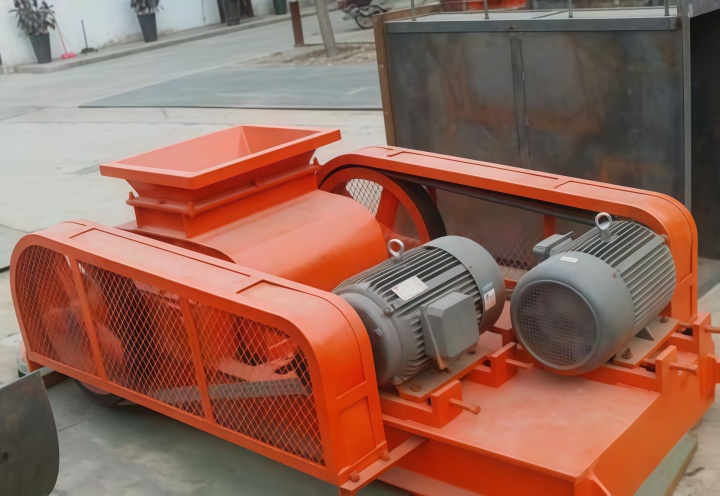
Equipment price is formed by three hard cost layers: roll surface material, bearing and hydraulic system, and transmission configuration. Among them, roll surface material grade causes the largest price difference.
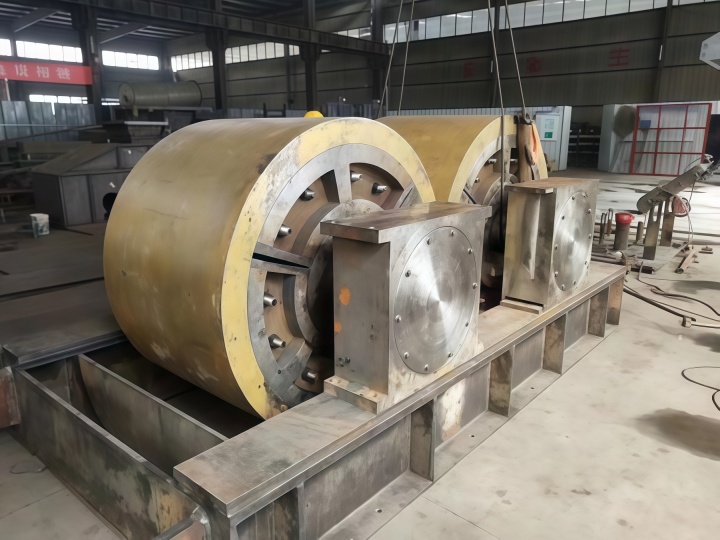
The price difference between ordinary high-manganese steel roll surface and high-chromium manganese steel alloy roll surface can reach 20 to 35 points of the whole machine price. The high-chromium alloy roll surface has a service life of about 800 to 1,500 hours under medium abrasive materials. The wear rate of the tungsten carbide composite roll surface under the same working conditions is about 60 to 70 points of the high-chromium alloy roll surface.
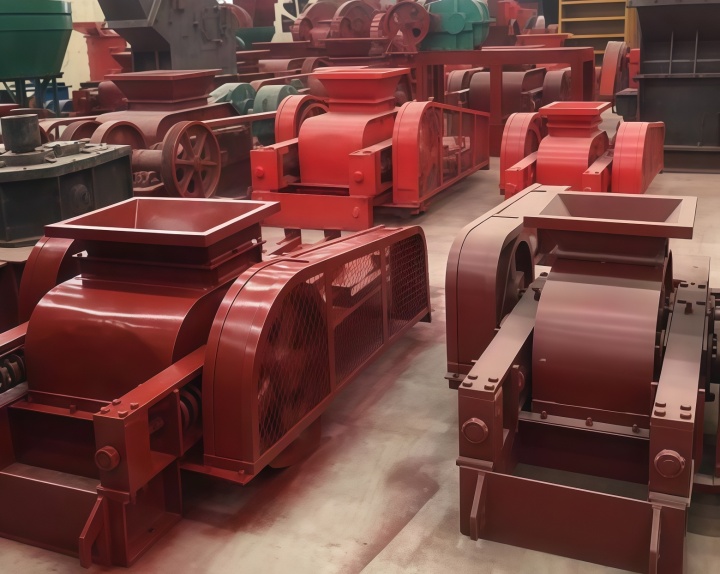
Improper bearing load capacity matching is the main cause of early failure. The 2PG series covers eight specifications from 400×250 to 1500×800, with capacity from 2 to 140 tons per hour, and equipment price grows non-linearly with specification.
Dolomite Twin-Roll Breaker for Metallurgical Flux Price and Finished Product Price Linkage
Equipment price is closely related to the market price of finished dolomite flux. When finished product selling price is under pressure, the selection strategy must be adjusted.
In the second half of 2026, processed grade dolomite price is expected to remain in the range of USD 68 to 74 per ton, about USD 53 per ton in China, about USD 57 per ton in India, and about USD 71 per ton in the United States. Metallurgical sinter dolomite uses magnesium oxide content above 19 points and silica content below 2.5 points as the baseline. When magnesium oxide increases to above 21 points, the premium can reach 15 to 25 points.
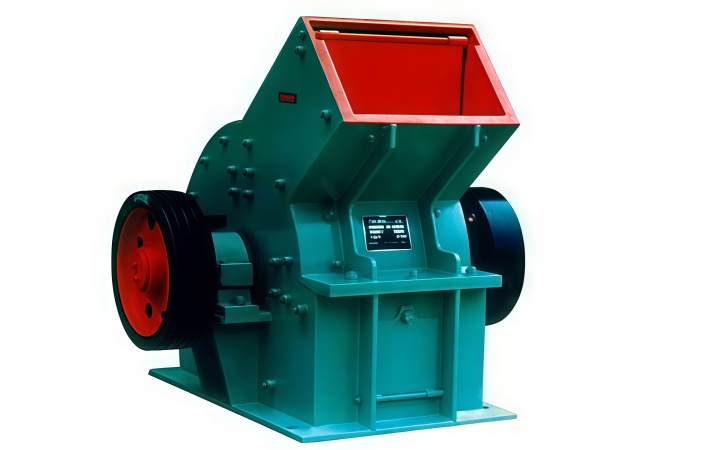
When finished product selling price is under pressure, if equipment selection only pursues low price, the over-crushed fine powder proportion in the output will be too high, which will pull down the effective output rate. Studies show that hammer crushers produce far more fine powder than twin-roll crushers, and the latter has about 20 points higher output in the 14 to 25 mesh particle size range than the former. For production lines targeting sinter flux, this difference affects the actual return per ton of finished product.
Dolomite Twin-Roll Breaker for Metallurgical Flux Price Selection Biases
Repeated biases in purchasing decisions are concentrated in three aspects, among which misjudgment of raw material characteristics has a larger impact.
Comparing only the whole machine quotation without looking at roll surface configuration: the roll surface material difference between two machines of the same model can cause annual maintenance costs to differ by more than 60 points.
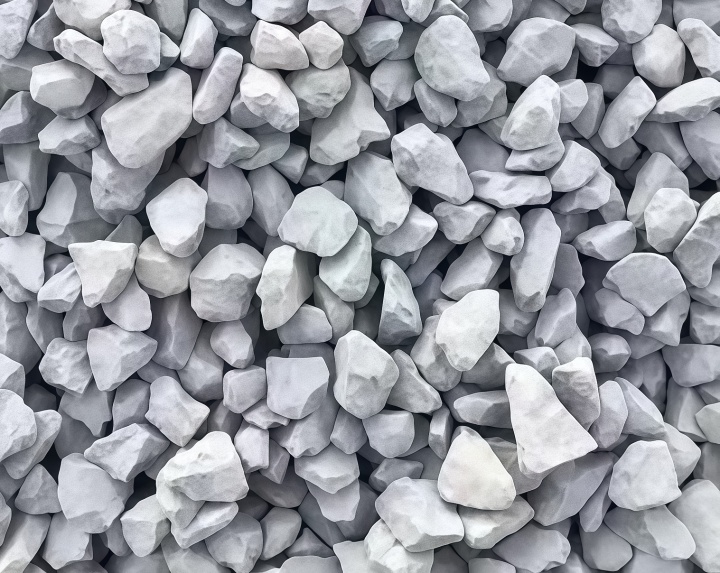
Using hardness indicators as a one-size-fits-all measure: dolomite Mohs hardness is between 3.5 and 4, which is a medium-low hardness brittle material. However, many dolomite deposits contain chert, that is, silica nodules. When silica content exceeds 2 to 3 points, abrasiveness rises, roll surface wear rate accelerates, and replacement cycle shortens.
Ignoring the match between output size and downstream process: steelmaking sinter flux requires 30 to 150 mesh, converter slagging agent requires 100 to 325 mesh, and unstable output distribution leads to frequent downstream batching adjustments.
Dolomite Twin-Roll Breaker for Metallurgical Flux Price Real-World Comparison
Based on typical operating parameters of twin-roll crushers in dolomite processing worldwide, the following comparison reveals the impact of roll surface material on full-cycle costs.
Twin-roll crusher power consumption is about 0.5 to 0.8 kWh per ton, using 30 to 50 points less electricity than impact crushers. For a production line with daily output of 300 tons and 10 hours of operation per day, the single purchase price of a high-manganese steel roll surface accounts for about 8 points of the whole machine price. The total roll surface expenditure for seven replacements per year is close to 56 points of the whole machine price.
The single purchase price of a high-chromium roll surface is about 1.3 to 1.5 times that of manganese steel, but only 2 to 3 replacements are needed per year. Annual roll surface total expenditure is about 20 to 25 points of the whole machine price. The tungsten carbide composite roll surface requires 1 to 2 replacements per year, and annual roll surface total expenditure is further compressed to 15 to 20 points of the whole machine price.
The impact of industrial electricity prices in different regions on operating costs is also notable. Indian industrial electricity price is about USD 95 per MWh, China about USD 60 to 80 per MWh, and the United States about USD 50 to 80 per MWh.
Based on 0.65 kWh per ton of crushing power consumption and annual processing volume of 100,000 tons, annual electricity cost in India is about USD 6,200, and in China about USD 4,600, a difference of about USD 1,600. This hidden expenditure is often overlooked during equipment selection, but over a three-year operating cycle it can accumulate to more than USD 4,800.
Dolomite Twin-Roll Breaker for Metallurgical Flux Price Selection Decision Checklist
The following condition judgment checklist covers the main decision points from raw material characteristics to operation and maintenance.
- If raw material silica content exceeds 2.5 points, then the roll surface material budget should be raised to more than 30 points of the whole machine price.
- If the target output size is finer than 5 mm, then a smooth roll surface configuration should be selected to avoid over-crushing caused by toothed rolls.
- If daily operation time exceeds 16 hours, then the hydraulic release system is more critical than the spring type.
- If raw material moisture content is between 15 and 30 points, then the structure without a screen at the bottom of the twin-roll crusher will not cause frequent downtime due to sticking and blocking.
- If expansion is planned within 12 months, then choosing a 2PG model one size larger than current demand is more economical.
- If the production line is located in a region with higher electricity prices such as India, then the weight of energy costs in the selection budget should be raised accordingly.
FAQ
Q1: How to determine the suitable model for Dolomite Twin-Roll Breaker for Metallurgical Flux Price based on production line needs?
First, lock the corresponding specification in the 2PG series by hourly capacity. 2PG400×250 is 2 to 10 tons per hour, and 2PG1500×800 can reach 50 to 120 tons per hour. Then confirm whether the roll gap adjustment range falls within the equipment support interval according to the target output size. The maximum feed size is about 15 to 40 points of the roll diameter.
Q2: When processing dolomite raw material with higher moisture content, does Dolomite Twin-Roll Breaker for Metallurgical Flux Price require an extra budget for a drying step?
No. The twin-roll crusher has no screen at the bottom, and can handle materials with moisture content not exceeding 30 points without blockage. During rainy seasons or when raw materials are stored in the open, there is no need to reserve a separate budget for drying equipment.
Q3: The same model of Dolomite Twin-Roll Breaker for Metallurgical Flux Price varies notably among suppliers. Where are the core differences?
Differences are mainly concentrated in three aspects: bearing grade, hydraulic protection system configuration, and roll surface machining accuracy. The hydraulic protection system accounts for up to 15 to 25 points of the whole machine price. Low-quotation solutions often have at least one of these three items downgraded.
Q4: When silica content in dolomite raw material is high, how much shorter is the roll surface maintenance cycle for Dolomite Twin-Roll Breaker for Metallurgical Flux Price?
When silica content exceeds 2 to 3 points, the actual service life of the high-chromium alloy roll surface may be shortened from 1,200 to 1,500 hours to 600 to 1,000 hours. Under such working conditions, it is recommended to measure roll surface thickness every 1 to 2 months and reserve 50 to 80 points more annual roll surface replacement cost than conventional working conditions.
Conclusion
The price of this equipment is a multi-variable function. It is simultaneously constrained by equipment configuration grade, raw material characteristics, finished product market conditions, and local energy costs.
Rational purchasing decisions should not stop at horizontal comparison of quotations, but should incorporate roll surface service life, output qualification rate, downtime frequency, and regional electricity prices into a full-cycle cost calculation framework. A well-matched equipment solution will gradually show its comprehensive cost advantage after the second year.
Roll surface selection recommendations vary considerably under different silica content levels. If you can provide the typical chemical composition of the raw material and average daily processing volume, you can make a preliminary match against the data framework in Section 4.