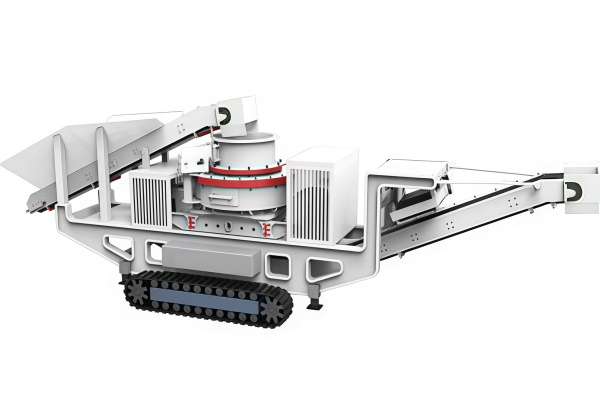
How to Maintain Your Tracked Impact Crusher Blow Bars: A Complete Guide
Monday August-31 2026 15:45:25
The blow bars of a Tracked Impact Crusher are the components that come into direct contact with feed material and absorb the full crushing impact force during rotor operation. The rotor spins at several hundred to over a thousand revolutions per minute, and the blow bars endure repeated impact loads and abrasive wear. The maintenance quality of the blow bars largely determines the production stability, product gradation, and overall operating cost of the machine.
In actual working conditions, excessively rapid blow bar wear, frequent replacements, and bearing failures caused by rotor imbalance are the three most common pain points faced by operators. Work sites with a structured preventive maintenance program typically see a fifteen to twenty-five percent increase in annual throughput compared to reactive maintenance approaches. This article covers seven aspects of blow bar maintenance: daily inspections, warning signs, fracture prevention, standard operating procedures, wear monitoring and rotation, replacement best practices, and operating condition matching.
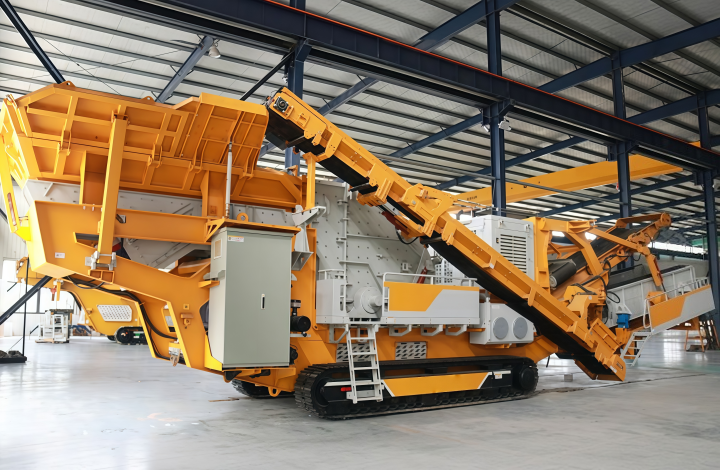
Daily Inspections Are the Starting Point of Blow Bar Maintenance
Pre-shift inspections should focus on three areas: visual checks, fastener verification, and listening for abnormal operational sounds. Visually examine the working face of all blow bars for cracks, chips, or noticeably uneven wear depth. Any crack visible to the naked eye is a trigger for immediate replacement and the machine must be shut down without further production. Check the tightness of the blow bar retaining wedges and confirm that all locking devices are secured to the original equipment manufacturer's torque specifications, which typically range from two hundred to four hundred Newton-meters depending on the model.
Within the first thirty to sixty seconds after startup, stand at a safe distance and listen to the operational sound. Unusual noises often point to bearing issues or early rotor problems. While these daily checks are straightforward, they effectively prevent rotor damage and safety incidents caused by sudden blow bar fracture. A missed daily check that escalates into an unplanned shutdown can cost several times more in lost production and repair expenses than the inspection itself. For a Tracked Impact Crusher, consistent daily inspections are the foundation of reliable operation.
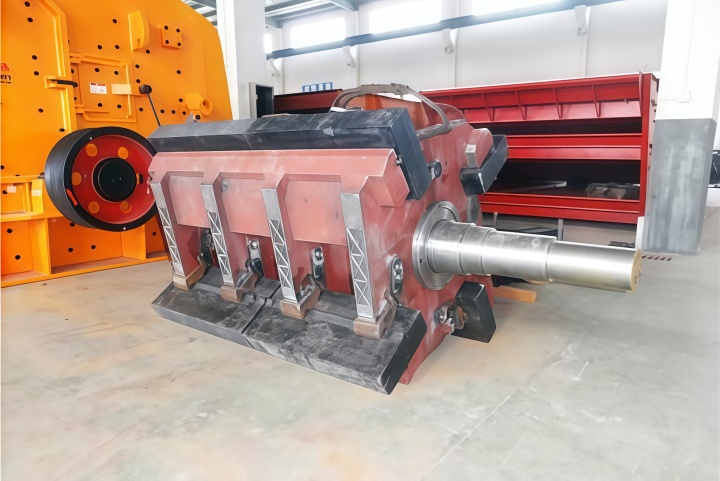
Warning Signs Should Not Be Overlooked
Equipment typically emits clear warning signals before a major failure occurs, including abnormal vibration, increased noise, reduced throughput, and elevated bearing temperatures. Abnormal vibration and noise are among the more obvious indicators—grinding sounds, metallic impacts, or high-frequency humming may point to bearing wear, rotor imbalance, or blow bar fracture. When the product gradation becomes noticeably coarser or throughput declines, it usually means the blow bar working face is excessively worn.
Bearing temperatures that consistently exceed seventy-five degrees Celsius represent another critical warning sign. Operators should document sound, temperature, and production changes after each startup, and any persistent abnormality should be investigated thoroughly on the same day. Recognizing these warning signs directly determines the timing of intervention and the cost of remediation for a Tracked Impact Crusher.

Common Causes and Prevention of Blow Bar Fracture
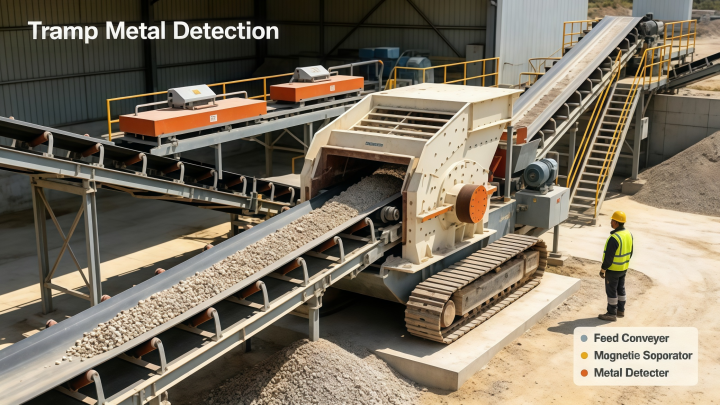
Blow bar fracture is a more dangerous failure mode than wear, as it can directly damage the rotor body itself. The most common cause of fracture is improper seating during installation, where micro-movement wear develops into fatigue cracks during operation. When tramp metal such as reinforcing bar or other unbreakable objects enter the feed stream, they can impose impact loads exceeding the tensile strength of the blow bar in an instant.
Using a feeler gauge to confirm zero clearance between the blow bar and the rotor support slot after each installation can eliminate over eighty percent of fracture risks. Installing metal detectors or magnetic separators at the discharge end of the feed conveyor or above the feed inlet is the second critical line of defense. These preventive measures are particularly important for the reliable long-term operation of a Tracked Impact Crusher.
Standard Operating Procedure for Rotation and Replacement
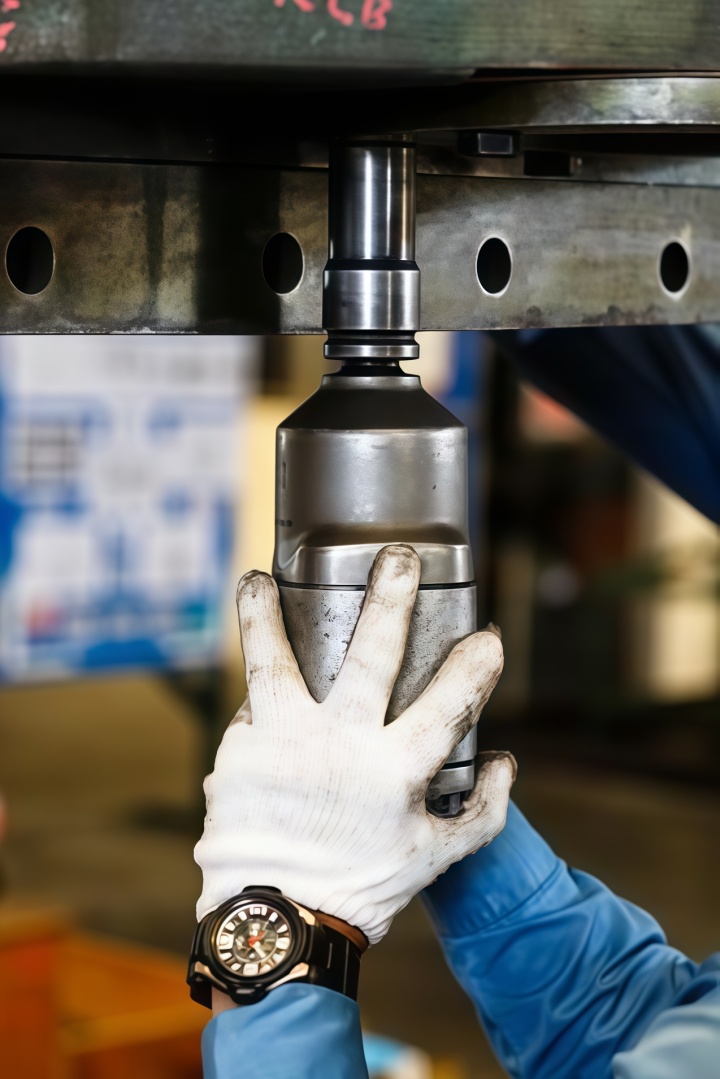
Performing blow bar rotation or replacement can be divided into three stages: preparation and cleaning, installation and torquing, and testing and commissioning. During the preparation stage, shut down the equipment, disconnect the power source, and secure the rotor with the rotor locking pin. Open the crusher access door and use compressed air and a wire brush to thoroughly clean debris and oxidation from the rotor mounting surface. Use a torque wrench to loosen the wedge retaining bolts in a diagonal pattern when removing old blow bars, which prevents uneven stress on the rotor.
During the installation and torquing stage, position the new blow bar into the support slot and check contact fit with a feeler gauge. Tighten all wedges in three increments to the OEM torque specification, reaching sixty percent, eighty percent, and full torque sequentially. During the testing and commissioning stage, remove the rotor locking pin and close the access door. Run the crusher unloaded for three to five minutes, listen for abnormal sounds and monitor vibration levels, then gradually introduce feed material once normal operation is confirmed. Different models of Tracked Impact Crusher may have variations in specific procedures, so the corresponding maintenance manual should always be consulted before work begins.
Wear Monitoring and Rotation Strategies Extend Service Life
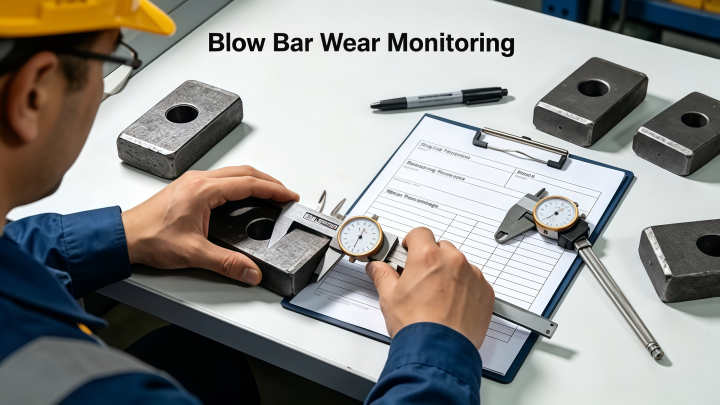
When to rotate or replace blow bars depends on the wear thickness percentage. Implementing a four-stage strategy combined with symmetrical pairing maximizes material utilization. Symmetrically designed blow bars rotated one hundred eighty degrees when wear reaches thirty to fifty percent of original thickness can nearly double the total throughput of a Tracked Impact Crusher.
The staged approach works as follows: Stage one uses the original working face until wear reaches approximately thirty-five percent; stage two rotates one hundred eighty degrees to use the opposite face until wear reaches approximately sixty-five percent; stage three swaps the two ends of the blow bars until eighty-five percent wear; stage four rotates again until fully consumed. Rotation or replacement must be performed in symmetrical pairs—replacing blow bars on only one side of the rotor while leaving old bars on the other side creates imbalance and triggers severe vibration. After any rotation or replacement, check the dynamic balance of the rotor with a portable balancing instrument. Use a caliper to record the actual thickness at the thinnest point of each blow bar along with the corresponding accumulated operating hours. Entering this data into a simple tracking chart enables prediction of the next replacement interval. This monitoring approach applies to all models without requiring additional equipment investment.
Proper Replacement Practices Protect Maintenance Safety
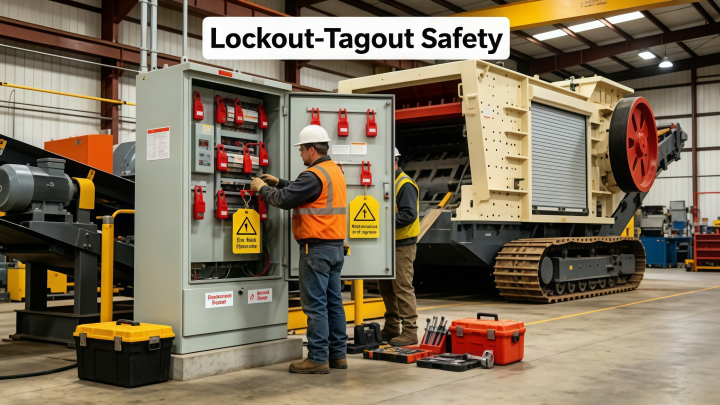
Blow bar replacement should follow four steps: shutdown and power lockout, mounting surface cleaning, proper torquing, and no-load test run. When replacing bars, first shut down the machine and disconnect power, then engage the rotor locking mechanism. Open the access door and remove all debris and contamination from the mounting surfaces; otherwise new blow bars cannot seat properly. Ensure the blow bars are fully seated in the support slots and torque all wedges to OEM specifications.
After replacement, run the crusher unloaded to confirm no abnormal vibration exists before gradually reintroducing feed. Do not mix blow bars from different batches or different metallurgies on the same rotor, as this creates imbalance. Each properly executed replacement protects the rotor system of the Tracked Impact Crusher.
Operating Condition Matching Is the Ultimate Foundation
Condition matching covers four areas: feed size control, feed distribution uniformity, rotor speed adjustment, and impact curtain gap adjustment. When feed size is too large, oversized material cannot be cleanly fractured but instead cuts repeatedly across the blow bar edge, leaving deep grooves. Screening equipment should be installed ahead of the crusher to keep feed size within allowable limits. When material concentrates on one side of the rotor for extended periods, the blow bars on that side wear out prematurely while the opposite side still has substantial life remaining. Adjust the feeder to ensure uniform material distribution across the full width.
Rotor speed must be coordinated with feed size and impact curtain gap settings. Excessive speed causes material to glance off the top of the blow bars rather than striking head-on, producing edge wear. Insufficient speed allows material to linger in the crushing chamber too long, increasing unnecessary wear. The impact curtain gap should be adjusted periodically as blow bars wear. Too small a gap generates excessive fines and accelerates blow bar consumption; too large a gap produces oversized product. Only when operating conditions are properly matched does Tracked Impact Crusher blow bar maintenance shift from reactive replacement to proactive management.
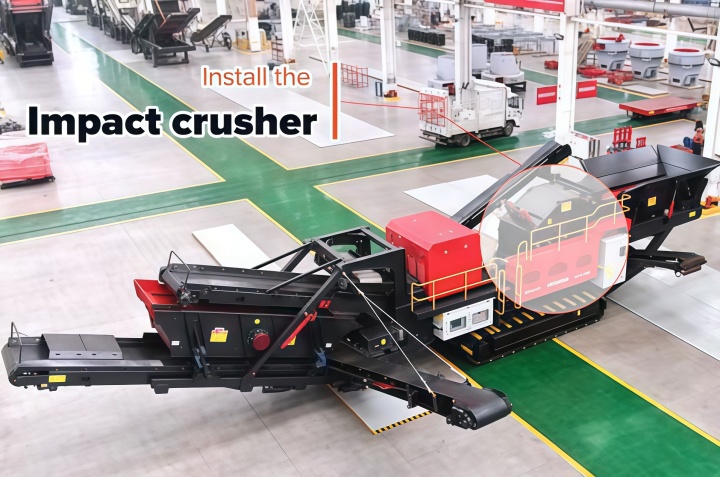
Blow bar maintenance covers daily inspections, warning signal recognition, fracture prevention, standard procedures, wear monitoring, proper replacement, and operating condition matching. Each of these seven areas affects bar life and overall crusher efficiency. Putting these methods into daily practice extends service life, reduces unplanned downtime, and lowers long-term operating costs.
The content above is compiled from our workshop field service engineers' maintenance experience and original equipment manufacturer service manuals.
FAQs
Is a through crack on a Tracked Impact Crusher blow bar normal wear?
No, it is not normal wear. Through cracks typically point to improper seating during installation, insufficient wedge locking force, or tramp metal entering the feed stream. Shut down immediately and inspect the feed source before reinstalling correctly.
Why does my Tracked Impact Crusher blow bar always wear more on the outer edges than in the middle?
This is a classic sign of overfeeding, where material accumulates at the rotor ends and creates uneven loading. Adjust the feeder conveyor speed to ensure material distributes evenly across the full width of the rotor.
What causes noticeably increased vibration after installing new blow bars on a Tracked Impact Crusher?
The most likely cause is mixing old and new bars or using bars from different batches with inconsistent weight, which destroys dynamic balance. Always replace in matched pairs and keep weight differences within the allowable tolerance.
How thin can a Tracked Impact Crusher blow bar get before it must be scrapped?
Replacement is required when the thinnest point wears down to forty percent of original thickness. Continuing to run beyond this point leads to oversize product and risks fracture under high impact, which can damage the rotor body.