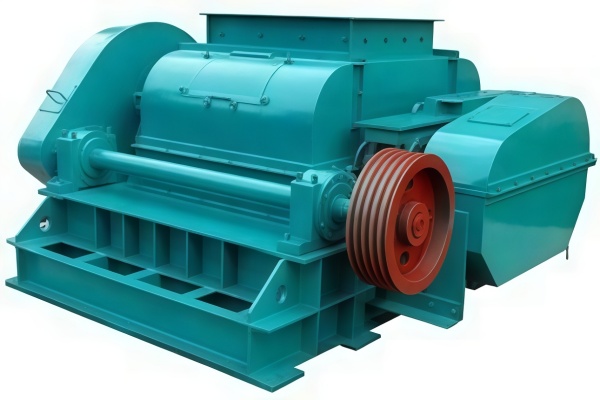
How to Maintain Your Roller Crusher for Longer Life
Wednesday August-26 2026 10:59:55
Direct answer: The service life of a Roller Crusher's roller surface depends mainly on the feeding method. If material is fed unevenly, the roller skin won't last three months.
After years of on‑site maintenance work on crushing equipment, I've seen too many Roller Crushers die an "unnatural death." A typical failure pattern: the middle of the roller surface wears into a deep groove while both sides still look new. Users come to me asking "is there a quality problem with the roller," and when I ask how they feed the material, they say "just dump it straight from the belt conveyor."
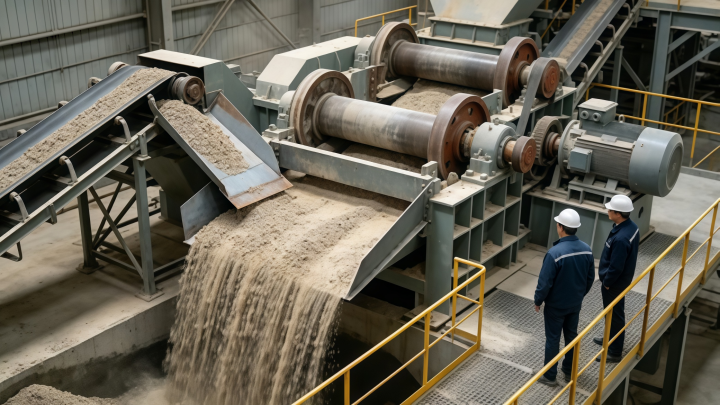
That's exactly the problem. Material dropping from the middle hits the Roller Crusher's roller surface, subjecting the center to three to five times more impact and abrasion than the edges. Once a groove forms in the middle, large pieces escape through both sides, and the discharge particle size becomes increasingly coarse. When users see coarser output, they reduce the gap setting, causing uneven force on both ends of the rollers. The bearings fail first, and the entire equipment enters a vicious cycle.
The core principle of feed distribution is simple: spread the material evenly across the entire roller surface.
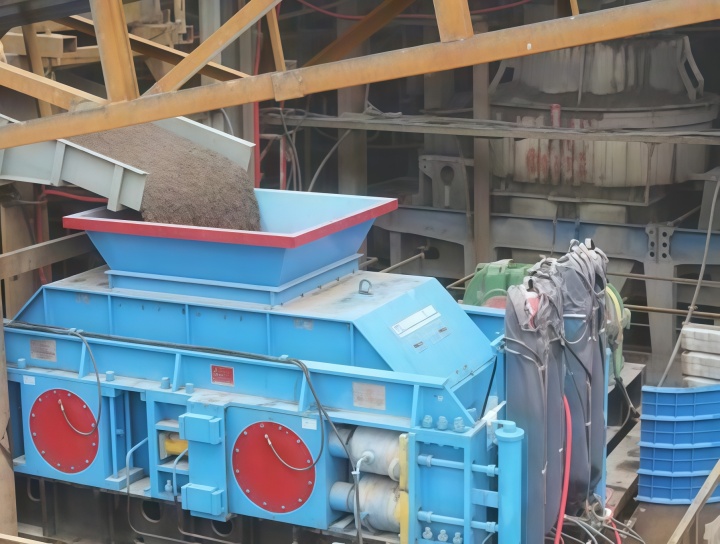
I've seen well‑run operations where a simple distributor was added to the feeding belt—just a steel plate set at an angle. Material hits it and naturally spreads into a curtain before entering the Roller Crusher. With this small change alone, that equipment's roller skin life extended from 4 months to 11 months. The cost was minimal, saving multiple roller replacements along with labor and downtime.
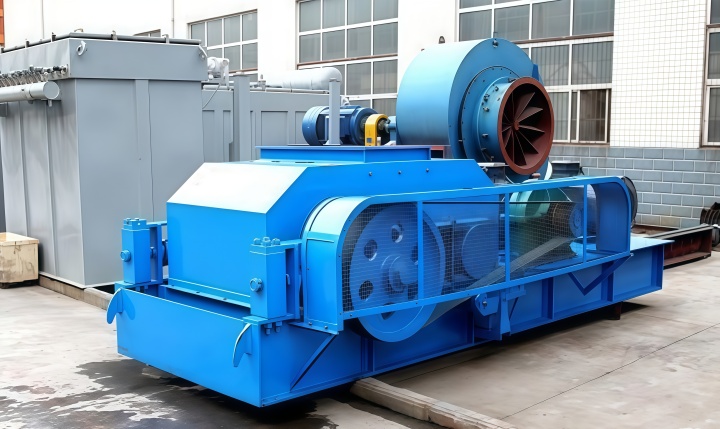
The second common pitfall: feeding wet material without pretreatment
Feeding high‑moisture material directly into a Roller Crusher causes the roller surface to slip. Slipping isn't grinding—it's rubbing. The heat generated by rubbing can bake the bearing lubricant dry. I recall a case where a user processing river pebbles for sand production didn't pre‑screen the material despite high moisture content. Within less than a month, a set of high‑chromium roller skins was ruined. Normal service life should be 800 to 1,500 hours, but this set didn't even reach 200 hours.
The solution: install a vibrating screen ahead of the Roller Crusher to remove fine powders and clay. This single step resolves the majority of roller surface slipping problems.
The third thing: when chevron wear patterns appear on the roller surface, don't just adjust the gap
If diagonal stripes appear on the Roller Crusher's roller surface—not uniform horizontal marks, but wedge‑shaped patterns deeper on one side and shallower on the other—it means uneven force on both sides has persisted for some time. At this point, simply adjusting the roller gap no longer works. The roller must be removed for hardfacing to level the surface.
I've seen a regrettable case where an operator noticed chevron wear on the roller surface and adjusted the gap three times in a row. Each time, the equipment ran for two days before failing again. When they finally removed the roller and measured it, the wear difference between both sides was nearly 4 millimeters—adjusting the gap alone couldn't compensate for that. If they had stopped for hardfacing the first time they spotted the pattern, that repair would have taken at most two days. But they delayed for two months, the bearings failed, the roller skin was ruined, and the equipment was down for a full week of repairs.
My own rule of thumb for deciding between hardfacing and full roller replacement
Shine a flashlight at an angle across the roller surface. If you can see obvious wave‑like reflections, the wear depth is roughly 3 to 5 millimeters—hardfacing can save it. If you can feel grooves with your fingers or see through‑cracks, replace it with a new one. Don't spend repeatedly on hardfacing. The cost of one hardfacing job is one‑third of a new roller, but the total cost of multiple hardfacings exceeds that of a new roller, and each hardfacing job requires downtime.
Hardfacing repairs can be combined with regular wear measurements using a depth caliper. On‑site quick checks paired with periodic data tracking work well together. Monitoring bearing temperature and adjusting the gap setting at regular intervals also helps catch problems early.
To be honest
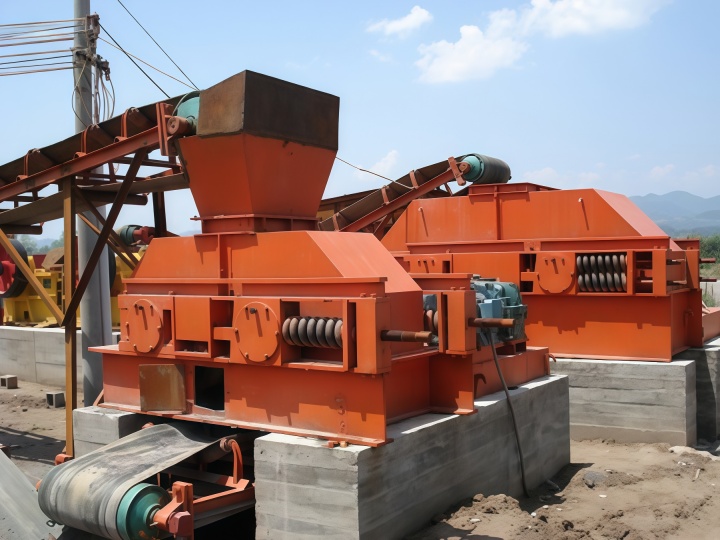
Maintaining a Roller Crusher isn't advanced technical work. Spending ten minutes each day checking whether the feed is even, whether there are unusual wear marks on the roller surface, and whether the bearing temperatures are normal—this beats checking boxes on a thick maintenance manual any day. I've seen too many users turn maintenance into a ritual, signing off on every item in the manual while missing the things that actually need checking.
Equipment doesn't lie. The wear marks on the roller surface, the temperature changes in the bearings, the fluctuations in discharge particle size—they're all telling you its current condition. The question is whether you're willing to spend those ten minutes each day reading those signals.
Roller Crusher FAQ
Q1: What commissioning is required after replacing the roller skin on a Roller Crusher?
A no‑load test run must be conducted first, checking whether both rollers are parallel and running smoothly. After the test run, retighten all bolts and measure the roller gap again to ensure the deviation on both ends is within the allowable range before starting production with material.
Q2: What special maintenance considerations apply to a Roller Crusher in low‑temperature winter conditions?
Low temperatures increase lubricant viscosity. Switch to a low‑pour‑point grease and extend the no‑load warm‑up time. After shutdown, drain all water from the cooling lines to prevent freezing and cracking.
Q3: What should be checked before restarting a Roller Crusher after long‑term shutdown?
First, manually rotate the rollers to check whether they turn freely. Confirm there is no binding before powering on for a no‑load run. Pay special attention to whether the bearing grease has hardened or degraded and whether any seals have aged and failed.
Q4: How do you decide whether to hardface the Roller Crusher roller surface or replace it entirely?
For light, uniform wear, hardfacing is a viable option with lower cost than full replacement. When wear is severe or when large‑area spalling or through‑cracks appear, replacing the roller skin outright is more economical.