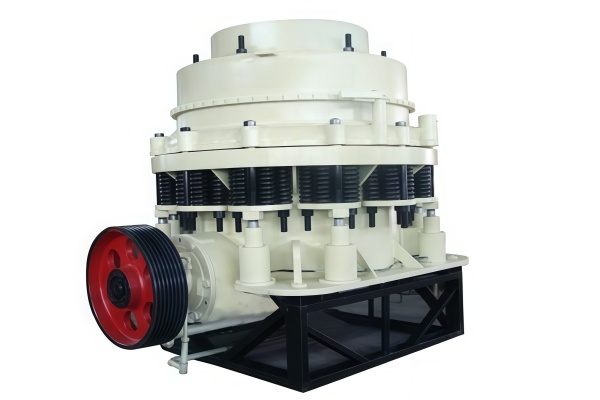
Compound Cone Crusher Price Guide – Initial Investment vs. Real Cost Per Ton
Thursday August-27 2026 10:23:24
How much does a Compound Cone Crusher actually cost? In the 2026 market, a mid‑range Compound Cone Crusher with a capacity of 100 to 300 tons per hour carries an initial price tag of USD 80,000 to 300,000. But the real metric to watch is the operating cost per ton produced – industry data shows that annual maintenance for cone crushers typically runs 5% to 7% of the purchase price, with wear parts consuming about 55% of that maintenance budget. For the same 200 t/h configuration, different selection approaches can lead to annual operating cost gaps that exceed the purchase price itself.
The following sections break down the true cost picture from four angles: initial price differences, per‑ton operating costs, model comparisons, and common selection pitfalls.
When evaluating crushing equipment, the number on a quote sheet is far from the full story. In 2026, a new cone crusher can range from USD 20,000 to over USD 1.5 million, depending on size, capacity, automation level, and configuration. This machine, with its laminated crushing principle and combined hydraulic‑spring structure, offers a balance of production efficiency and operational stability. Yet many buyers focus only on the upfront price while ignoring the per‑ton cost that accumulates over years of operation. This article draws on publicly available industry data and actual operating records from multiple sites worldwide to deconstruct the initial investment and real per‑ton expenses, helping you see the full financial picture.
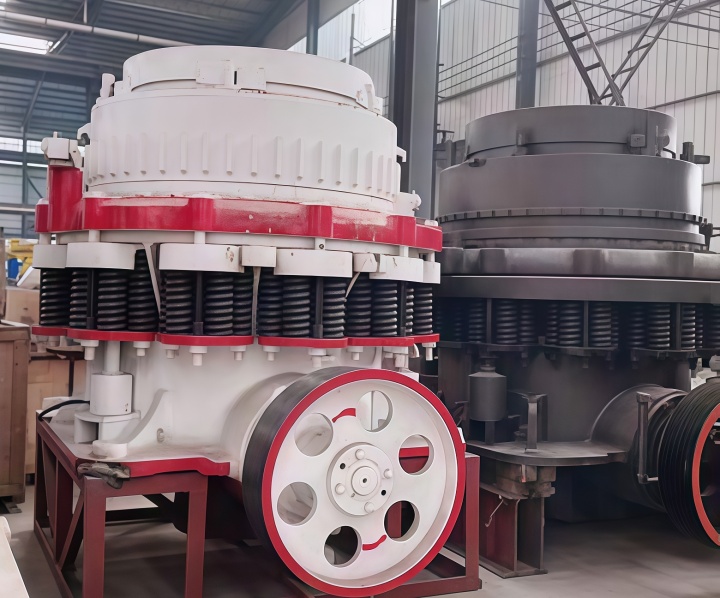
What drives the initial cost differences of a Compound Cone Crusher?
Quotes range from USD 20,000 to over USD 1 million, a wide spread. Entry‑level small units with capacities of 30‑100 t/h fall in the USD 20,000‑80,000 bracket. Mid‑range models for 100‑300 t/h are priced between USD 80,000 and 300,000. Large high‑throughput configurations can exceed USD 300,000 and reach up to USD 1 million, with some international‑brand large units exceeding USD 1.5 million.
Looking at the global market, a Symons 4.25‑foot Compound Cone Crusher is quoted at roughly USD 67,000‑80,000. PSG‑series Compound Cone Crushers fall in the USD 70,000‑90,000 range. Price gaps between international brands and Asian manufacturers still exist, but improvements in casting accuracy and hydraulic reliability from Asian producers have significantly narrowed the performance gap in recent years.
Three factors explain the price gap. The control system is the first divide. A mechanical‑spring Compound Cone Crusher costs less but relies on manual intervention, whereas a hydraulic‑adjustment and iron‑release model demands a higher initial outlay but reduces downtime under fluctuating feed conditions. The second factor is the wear‑resistant core – the quality and precision of the mantle and concave liners directly influence long‑term performance. The third is manufacturing standards – differences in casting accuracy and hydraulic reliability persist among suppliers.
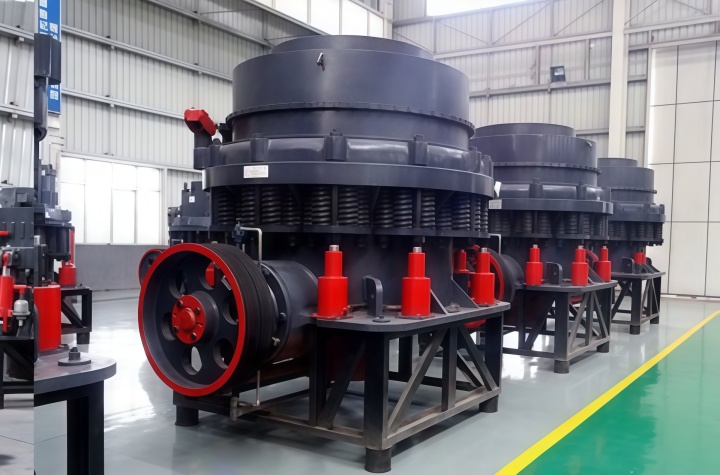
Where does the per‑ton cost of a Compound Cone Crusher really go?
The purchase price is a one‑time expense; the per‑ton cost is the metric that matters throughout the equipment's life. For a mid‑sized plant operating 8,000 hours per year, wear parts account for about 55% of total maintenance costs, downtime losses for 20%, and lubrication plus labour for 10%‑15% each. Annual maintenance for a cone crusher typically runs 5%‑7% of the purchase price.
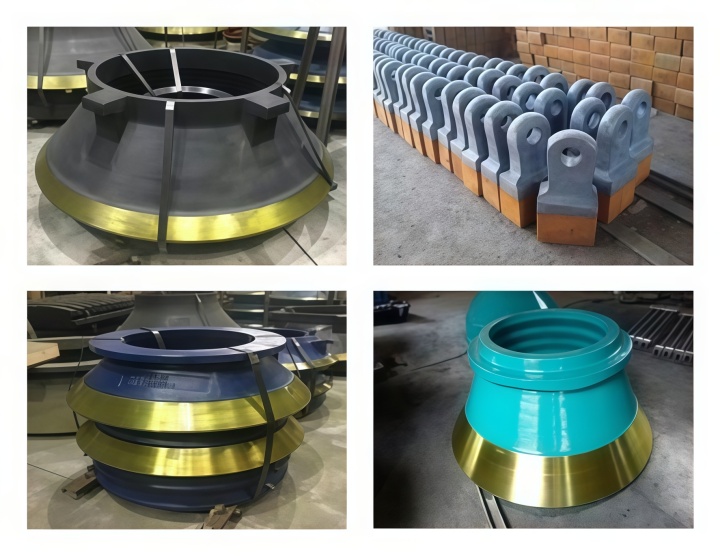
Liner life varies dramatically with material abrasiveness. For highly abrasive materials like granite, standard manganese steel liners typically last only 100‑300 hours. Optimised alloy liners can extend that to 250‑500 hours under similar conditions. For soft to medium‑hard materials like limestone, liner life can reach 1,000‑2,500 hours or more. One publicly documented case shows a mantle on an imported cone crusher at a Fujian quarry recording 612 hours of actual runtime under granite feed.
Energy consumption is another significant cost – motor power typically ranges from 55 kW to 315 kW. In terms of specific energy, cone crushers usually consume between 0.65 and 1.2 kWh per ton. For a 250 t/h plant, one hour of lost production can cost several hundred dollars in direct losses. Industry data indicates that unplanned downtime for a cone crusher can cost as much as USD 10,000 per hour in lost output.
How does a Compound Cone Crusher compare with other cone crusher types?
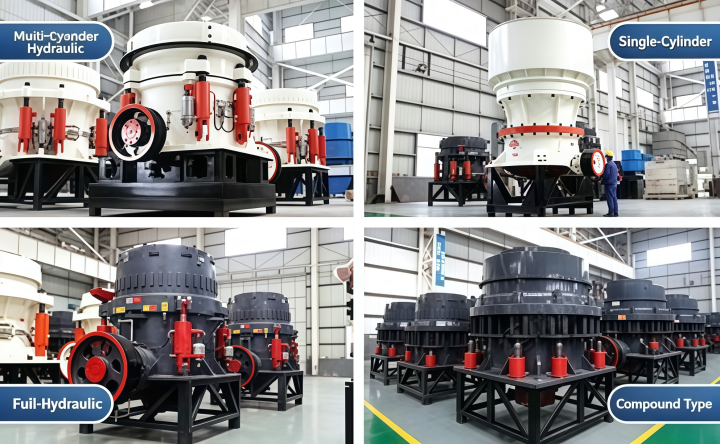
Against single‑cylinder and multi‑cylinder hydraulic cone crushers, a Compound Cone Crusher typically costs only 40% to 70% as much to acquire. It combines spring‑type overload protection with hydraulic discharge setting adjustment, offering solid value in medium‑hard and hard rock applications, with a simpler construction and lower routine maintenance expenses.
Compound Cone Crusher vs. Other Cone Crusher Types – Quick Comparison
| Comparison Aspect | Compound Cone Crusher | Single‑Cylinder Hydraulic | Multi‑Cylinder Hydraulic |
|---|---|---|---|
| Initial purchase cost | Baseline | ~140%‑250% | ~140%‑250% |
| Annual maintenance (% of purchase price) | 5%‑7% | 5%‑7% | 5%‑7% |
| Ease of wear parts replacement | Easier | Moderate | More complex |
| Automation level | Basic | High | High |
| Best suited for | Medium‑hard rock, budget‑conscious projects | Large‑scale, high‑automation needs | Hard rock, strict shape requirements |
However, a Compound Cone Crusher is not a one‑size‑fits‑all solution. Its spring safety system allows tramp material to pass without damaging the crusher, but extra care is needed when processing material with high iron content. Observations from multiple quarries worldwide show that uneven feed is the most common cause of premature localised liner wear. Adding a distributor on the feed belt costs little but can extend liner life by more than 30%.
Three common pitfalls when selecting a Compound Cone Crusher
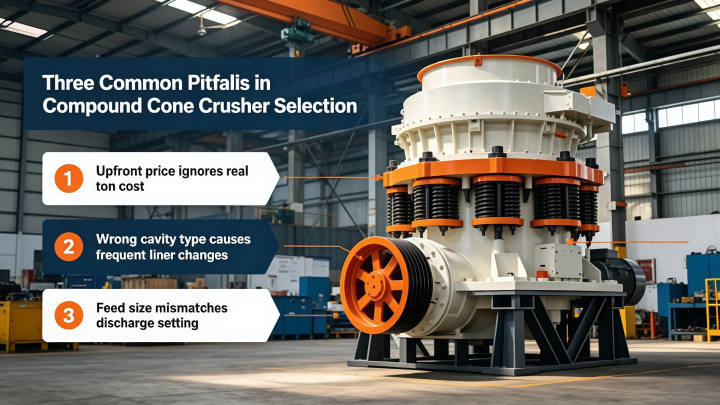
The first pitfall is focusing solely on the purchase price while ignoring the per‑ton cost – liner life and replacement frequency have a far greater impact on total expenditure. The second is choosing the wrong cavity type; the standard cavity is for coarse crushing, the short‑head for fine crushing – a mismatch can lead to very frequent liner changes. The third is overlooking the match between feed size and discharge setting. Many users simply copy the capacity figures from manufacturer brochures, but those figures are based on a specific closed‑side setting. As liners wear, the actual discharge setting changes. Without leaving a margin for adjustment, the achieved throughput often reaches only 60%‑80% of the nominal value.
What should you consider when choosing a Compound Cone Crusher?
Evaluate your selection from three angles. First, define your capacity target and material characteristics, then match the cavity type accordingly. Second, compare the estimated liner life and replacement costs across different configurations. Third, assess the supplier's after‑sales support and spare parts availability. With clear information on material properties, capacity needs, and budget structure, you can evaluate quotes more accurately and make a sound decision.
Closing thoughts
Whether a Compound Cone Crusher is a worthwhile investment depends on whether you look only at the sticker price or calculate the real cost per ton produced. Equipment procurement is a long‑term financial exercise – the purchase price is just the starting point; the per‑ton cost is where the final answer lies. Global market data confirms that a well‑specified Compound Cone Crusher, chosen with per‑ton cost in mind, can keep annual maintenance within 5%‑7% of the purchase price. If you are currently evaluating options, start by listing your material characteristics, capacity requirements, and budget constraints – with those three pieces of information, your cost calculation will be far more reliable.
FAQ
Is the discharge setting adjustment of a Compound Cone Crusher complicated?
Adjustment is straightforward, using either hydraulic or mechanical means. The key is to check the product size after each change and find the setting that works best for the current feed and liner wear condition.
What causes abnormal vibration in a Compound Cone Crusher?
Uneven feed or material moisture exceeding 5% can lead to vibration and noise. Inspect the feed for consistency and also check liner wear and lubrication condition.
How long do the liners of a Compound Cone Crusher last?
There is no fixed rule, but two practical indicators help: check whether the product size has become noticeably coarser, or weigh the liners to see if they have worn down to two‑thirds of their original weight. If either condition is met, replacement is recommended – waiting until they are worn through risks damaging the mantle body, and the repair cost far exceeds the liner itself.
What should I do if a Compound Cone Crusher jams?
Jamming is usually caused by a blocked discharge opening or excessively wet feed. Shut down immediately, clear the discharge chute, and verify that no tramp material has entered the crushing chamber.