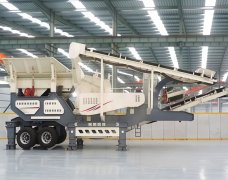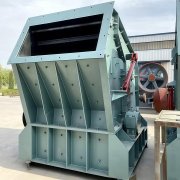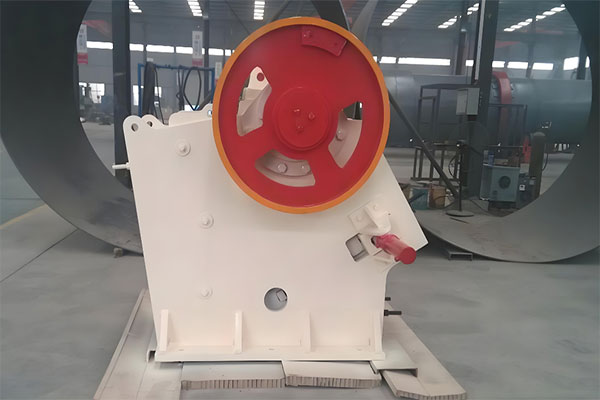
Iron Ore Single-Cylinder Cone Crusher for Pelletizing
Designed for preparing iron ore feedstock in pelletizing processes, iron ore single-cylinder cone crusher for pelletizing reduces primary-crushed ore to the particle size required for ball mill feed, typically below 25 millimeters. We have continuously collected actual operating data and maintenance records of this equipment during on-site tracking at multiple iron ore processing plants and pelletizing projects both domestically and internationally. All content below is based on this first-hand information.
What Is an Iron Ore Single-Cylinder Cone Crusher for Pelletizing?
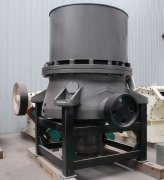
Iron Ore Single-Cylinder Cone Crusher for Pelletizing uses a single hydraulic cylinder to achieve both overload protection and discharge opening adjustment. In the pelletizing flowsheet, it sits between primary crushing and the ball mill, reducing iron ore to a uniformly fine product. It is suitable for medium-to-hard ores including hematite and magnetite, with feed sizes ranging from 40 to 560 millimeters.
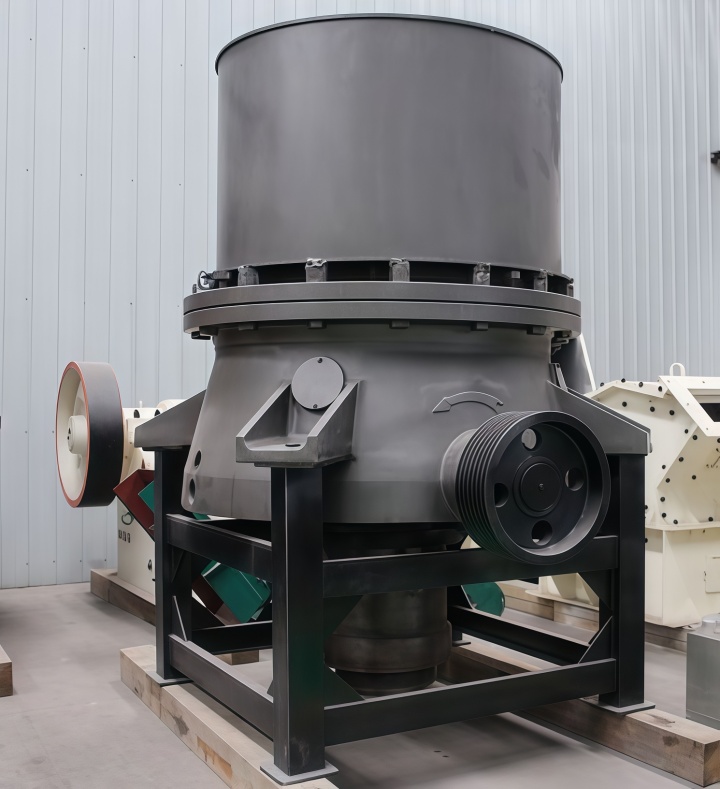
How Does an Iron Ore Single-Cylinder Cone Crusher for Pelletizing Work?
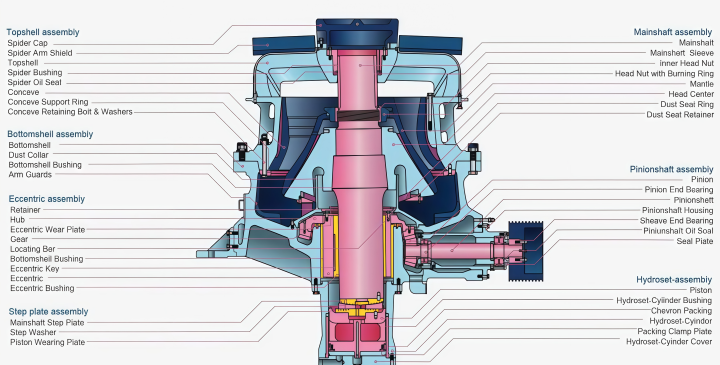
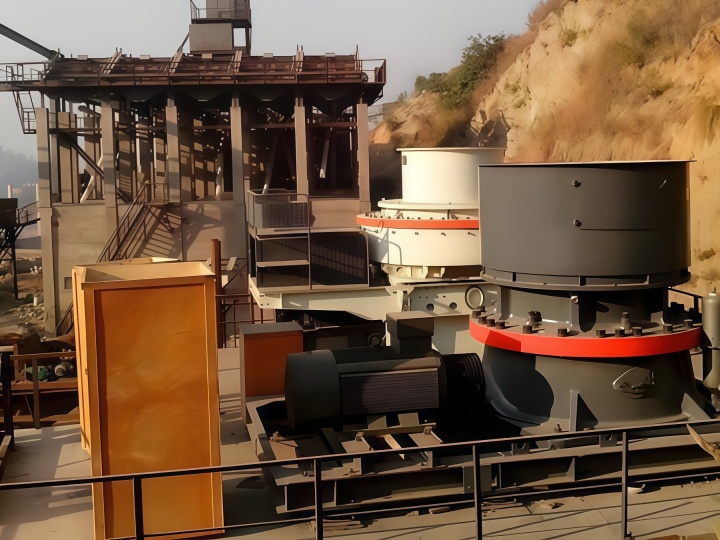
The machine operates on the principle of inter-particle crushing. The motor drives the eccentric bushing, causing the mantle to execute a periodic gyratory motion against the concave. Ore is crushed by compression and shear forces as the gap between mantle and concave cyclically narrows. The single hydraulic cylinder maintains the closed-side setting. When tramp material enters, hydraulic pressure releases instantly to allow passage, and the system automatically resets afterward. The same system supports remote adjustment of the discharge opening during operation.
Feed conditions affect crushing efficiency. Choke-fed operation typically achieves 10% to 15% higher throughput than starve-fed conditions. Installing a speed control device on the feed belt to automatically adjust feed rate based on crusher load is recommended to maintain a stable material level.
Actual Operating Data for Iron Ore Single-Cylinder Cone Crusher for Pelletizing
A magnetite operation in the Pilbara region of Western Australia commissioned a fine-cavity single-cylinder cone crusher in March 2025, processing magnetite with a Bond Work Index of 19.5 kWh/t. At a 14-millimeter closed-side setting, the unit achieved 405 tons per hour, with 82% of product passing 10 millimeters and liner life of 1,420 hours.
According to a Metso public news release, a similar unit at the Minerita project in Minas Gerais, Brazil, processing hematite, achieved 380 tons per hour at a 16-millimeter setting, with 85% of product passing 12 millimeters and liner life of 2,600 hours. In comparative testing, the unit produced 12% flaky particles, compared to 28% for an impact crusher, and downstream ball mill throughput increased by 9%—equivalent to an additional 45 tons per hour of feed.
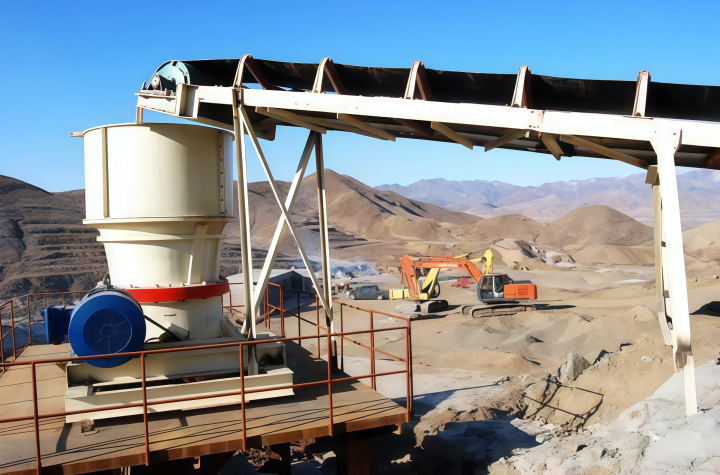
Operational Advantages of Iron Ore Single-Cylinder Cone Crusher for Pelletizing
The operational advantages of this equipment are reflected in its adaptability to feed gradation, hydraulic real-time adjustment capability, tramp iron protection response speed, and maintenance predictability.
When maximum feed size is reduced from 250 millimeters to 180 millimeters, throughput increases by approximately 15% at the same closed-side setting.
Hydraulic adjustment enables real-time particle size control. At a copper mine in Chile, adjusting the discharge setting during operation reduced product size variation from 18% to 6%.
Tramp iron passage requires no shutdown. Hydraulic response occurs within 1 second, and each interruption lasts less than 2 minutes, compared to 30 to 45 minutes for manual clearing on spring-type crushers.
Records from 12 sites show the hydraulic system averages 2,800 hours between failures, and the drive train averages 4,200 hours.
Technical Specifications of Iron Ore Single-Cylinder Cone Crusher for Pelletizing
| Cavity Type | Max Feed mm | CSS mm | Capacity t/h | Power kW |
| Fine | 185-275 | 6-51 | 50-670 | 160-315 |
| Fine | 300-370 | 10-70 | 280-2220 | 630-800 |
| Short Head | 350-550 | 19-83 | 100-1070 | 160-315 |
| Standard | 120-480 | 8-70 | 40-2195 | 75-750 |
Actual capacity depends on ore hardness, feed gradation, and moisture content.
Materials Processed by Iron Ore Single-Cylinder Cone Crusher for Pelletizing
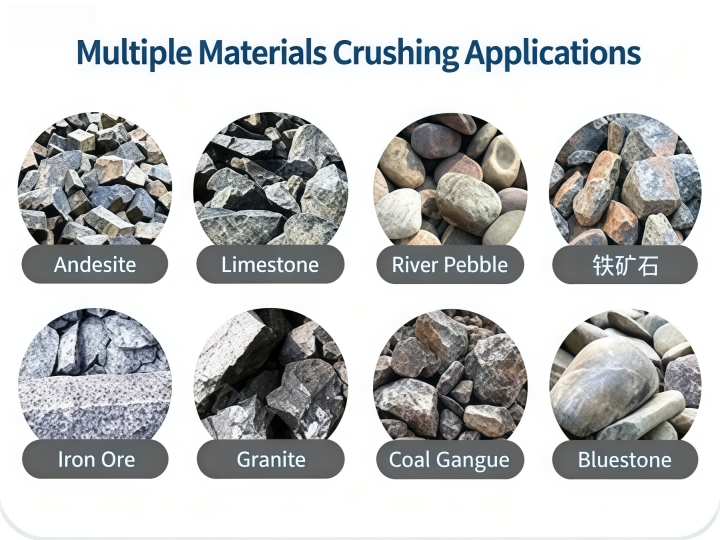
In addition to iron ore, the equipment can also process non-ferrous metal ores including copper and gold ores, as well as construction rocks like granite and basalt. When processing magnetite, liner replacement frequency is approximately 1.8 times that of hematite. According to public bidding records, an HD-53 unit at a project in Inner Mongolia achieved approximately 180 tons per hour with a 12-millimeter product size at a 19-millimeter CSS.
Maintenance Insights for Iron Ore Single-Cylinder Cone Crusher for Pelletizing
Field maintenance experience shows that at a South African processing plant, 73% of unplanned downtime was caused by hydraulic oil contamination. After reducing the oil change interval from 500 hours to 300 hours and implementing weekly sampling, downtime decreased by 62%, and hydraulic component life extended from 2,100 to 3,400 hours. Feed chute misalignment can cause one side of the mantle to wear 40% faster than the opposite side; correcting alignment extended liner life by approximately 800 hours.
A Brazilian plant identified a developing main bearing issue three weeks before failure by measuring liner wear weekly and logging oil temperature daily, avoiding an 18-hour unplanned outage. Operators should verify the crushing chamber is free of material before startup; one plant experienced motor burnout due to startup with material in the chamber, and after implementing a pre-start inspection handover procedure, no further incidents occurred.
Selection and Configuration Recommendations for Iron Ore Single-Cylinder Cone Crusher for Pelletizing
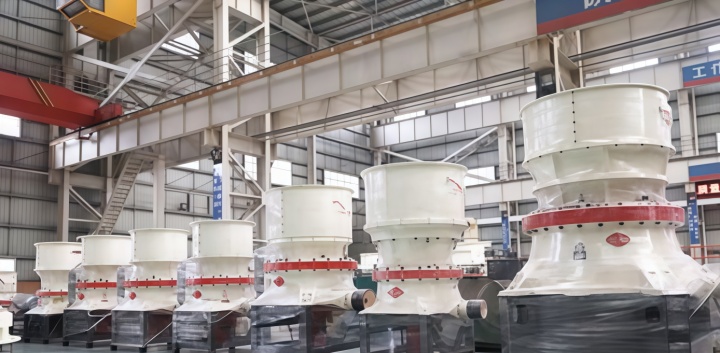
Selection requires consideration of feed size distribution, target product size, and throughput requirements. For primary-crushed feed exceeding 400 millimeters, a standard cavity is recommended; for feed already below 200 millimeters, a fine cavity is sufficient. For pelletizing feed preparation, the closed-side setting typically ranges from 10 to 25 millimeters. Most hematite operations find that a 14 to 16-millimeter setting provides the optimal balance between throughput and product size.
The choice between single-cylinder and multi-cylinder depends on ore hardness. Single-cylinder units offer 15% to 25% lower capital cost and simpler hydraulics, making them suitable for hematite and magnetite applications. Multi-cylinder units deliver greater crushing force and are more appropriate for extremely hard ores such as itabirite with Bond Work Index above 22 kWh/t, though they come with higher procurement and maintenance costs.
Iron Ore Single-Cylinder Cone Crusher for Pelletizing vs Other Crusher Types
Compared to jaw crushers, this equipment produces a more consistent and better-shaped product, with approximately 40% less floor space required for equivalent capacity. Compared to impact crushers processing high-silica ores, impact crusher blow bars require replacement every 200 to 400 hours, while cone crusher liners last over 1,000 hours. At a Chilean mine with 12% silica content, operating cost per ton was $2.10 USD for the impact crusher versus $0.85 USD for the cone crusher.
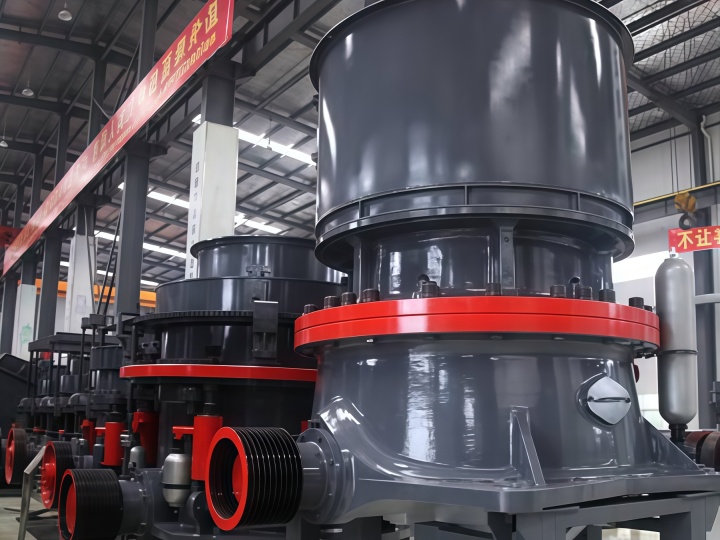
Compared to multi-cylinder cone crushers, the single-cylinder design has only 7 hydraulic valves versus 22, requiring 35% fewer annual maintenance labor hours and offering 15% to 25% lower procurement cost for equivalent specifications. For extremely hard itabirite projects with Bond Work Index above 22 kWh/t, multi-cylinder may be more suitable due to greater crushing force, while single-cylinder meets the needs of most hematite and magnetite applications.
Frequently Asked Questions About Iron Ore Single-Cylinder Cone Crusher for Pelletizing
What is the power consumption of Iron ore single-cylinder cone crusher for pelletizing when processing hematite?
Data from three hematite operations shows 0.8 to 1.2 kilowatt-hours per ton, with the lower end at settings above 20 millimeters and the higher end below 15 millimeters.
How often should hydraulic oil be changed for Iron ore single-cylinder cone crusher for pelletizing in high-dust environments?
Data from eight sites indicates 300 hours is recommended in high-dust conditions, compared to the standard 500 hours, with weekly sampling to maintain ISO 16/13/10 cleanliness.
What is the difference in liner wear patterns between magnetite and hematite applications for Iron ore single-cylinder cone crusher for pelletizing?
Magnetite contains higher free silica content, and liner wear rate is approximately 1.8 times that of hematite. For magnetite applications, weekly wear measurements are recommended starting at 800 operating hours, while for hematite this can be extended to 1,500 hours.
What is the typical lead time for spare parts for Iron ore single-cylinder cone crusher for pelletizing?
Main wear parts including concave liners and mantles are typically stocked at regional warehouses. Orders should be placed when wear reaches 80% of design thickness to avoid production interruptions due to part waiting times.