Tertiary Crusher Machine Price
Thursday August-27 2026 09:44:37
What Is a Tertiary Crusher?
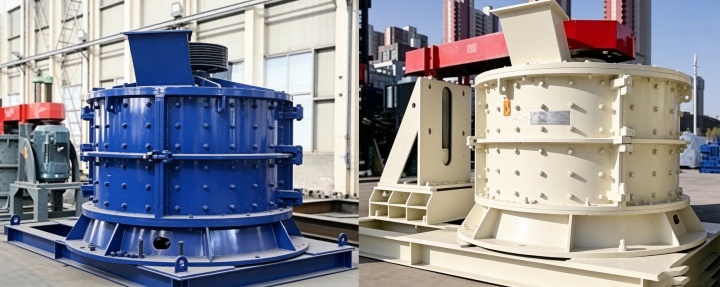
Tertiary Crusher Price Reference Range
The table below shows approximate price ranges for common models on the market (in USD, excluding tax and shipping; These are market reference prices. Actual costs vary by configuration, materials, brand, and exchange rate fluctuations.| Machine Type | Capacity (TPH) | Reference Price (USD) |
|---|---|---|
| Small VSI Sand Maker | 50–100 | 14,000 – 28,000 |
| Medium VSI Sand Maker | 100–300 | 28,000 – 56,000 |
| Large VSI Sand Maker | 300–500 | 56,000 – 210,000 |
| Imported Fine Cone Crusher | 200–500 | 280,000 – 700,000+ |
What Causes the Price Differences?
Many buyers wonder: why can seemingly similar machines have quotes that differ by several times? The key factors determining the price include:Equipment Type
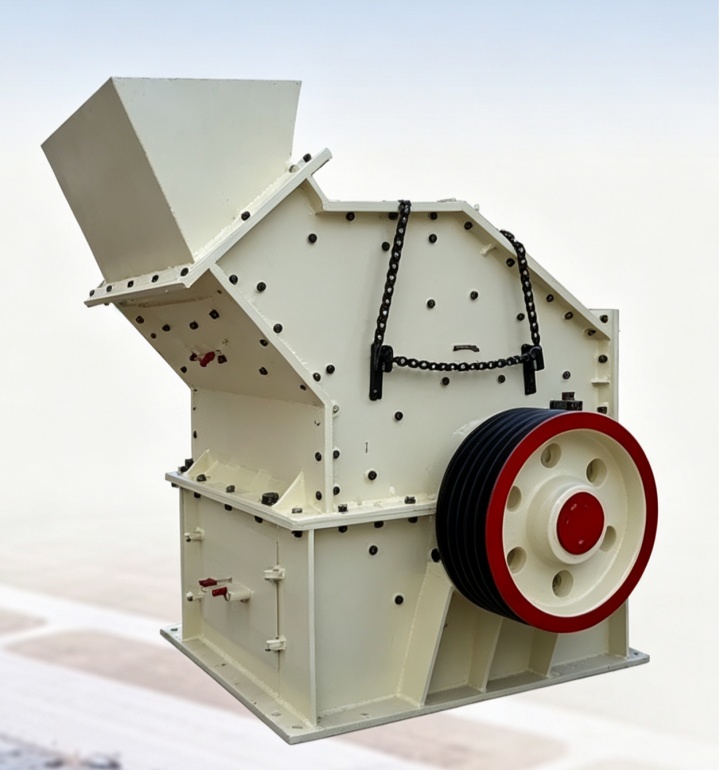
VSI crushers are more expensive than hammer fine crushers, and imported cone crushers cost more than domestic VSIs. Different technical approaches have different cost structures.Capacity (TPH)
Higher throughput requires larger motors, heavier frames, and stronger structural components, which drive the price up accordingly.Motor and Drive Configuration
Dual-motor drives cost more than single-motor setups, but they offer smoother operation and higher efficiency. The choice of motor brand (premium vs. standard) also affects the price.Brand and Country of Origin
European and Japanese brands are often 2–3 times more expensive than Chinese equivalents, offering superior stability and precision. Chinese brands provide high cost performance and have improved significantly in quality in recent years.Wear Parts Material
The material used for key wear parts—such as the rotor tips, impeller, and liners—(e.g., cemented carbide, high-chromium iron vs. ordinary high-manganese steel) directly impacts long-term replacement costs and is reflected in the initial machine price.Automation Level
Features like intelligent control systems, hydraulic lid opening, and automatic lubrication add to the cost but improve operational convenience and safety.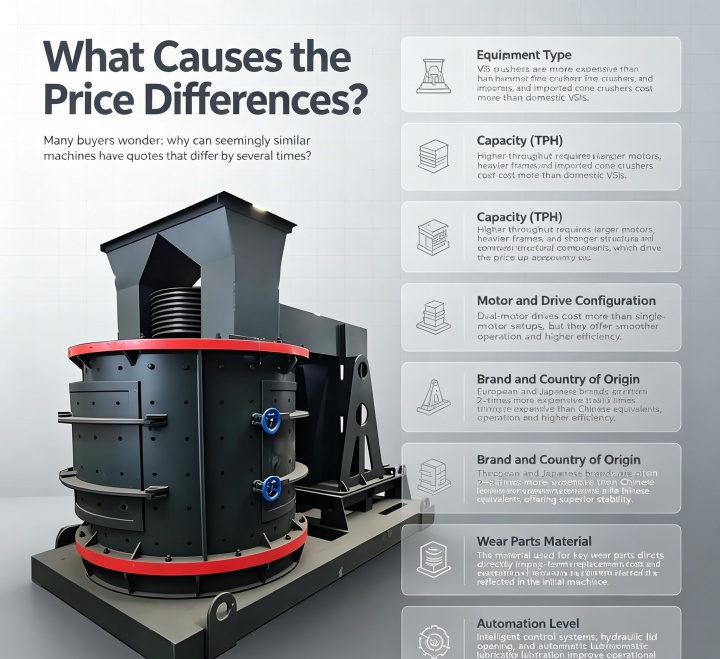
How to Get a Realistic and Fair Quotation?
To avoid inflated or deceptively low offers when requesting quotes, follow these steps:Prepare a detailed requirement list: specify the material type (granite, limestone, river pebble, etc.), feed size, required output size, target capacity (TPH), and local voltage/frequency.
Compare at least three suppliers: look beyond the total price—compare configuration details such as motor brand, wear parts material, and whether the electrical control cabinet is included.
Clarify after sales terms: warranty period, whether installation and commissioning are included, who covers engineer travel costs, and where spare parts are stocked.
Most important reminder: The lowest price is not always the best deal. One day of downtime due to equipment failure can cost you far more than the savings from buying a cheaper machine.
Frequently Asked Questions (FAQ)
Q: What is the typical delivery time when sourcing from China?
A: For standard models, it is usually 30–60 days. Customized machines may take longer, so it is advisable to confirm the lead time in advance.Q: Do manufacturers provide installation and training?
A: Most reputable manufacturers do, but some include it in the quote while others charge extra. Be sure to clarify this before signing the contract.Q: How long is the warranty period?
A: The industry standard is typically 1 year for the whole machine (wear parts excluded). Some suppliers may offer an extended 2 year warranty.Q: Can I send samples for a test run?
A: Many manufacturers offer material testing services. This is a good way to verify whether the final product size and output meet your requirements.Q: How often do wear parts need to be replaced?
A: It depends on the material hardness. For limestone, they may last several hundred hours; for granite, only about a hundred hours. We recommend asking for wear parts prices together with the machine quote.
Summary
With this understanding of the price components and purchasing tips, you will be better prepared when requesting quotations. If you already have a specific project in mind, feel free to send us your material type, target capacity, and output size requirements. We can then recommend suitable models and provide a budget estimate for your reference.If you need any adjustments—such as adding your own product data, changing the tone, or formatting for a specific website—just let me know. I am happy to refine it further.