Single Cylinder Cone Crusher Price
Friday August-28 2026 17:39:07
In sand and gravel production and mining operations, the single cylinder hydraulic cone crusher is a key piece of equipment for secondary and tertiary crushing. However, many buyers find that prices for seemingly similar models range from several thousand to over one hundred thousand US dollars – a huge gap. So what is a single cylinder hydraulic cone crusher really worth? Where does the extra cost come from? And what are the risks of choosing the cheapest option?
This article gives you direct insight into the market price brackets and breaks down the three core factors that determine the final price, so you can make an informed purchasing decision without overpaying.Market Reference Price Ranges (by Capacity)
Based on publicly available information from major Chinese manufacturers, here are the typical price ranges for fixed (stationary) units:| Equipment Size (Capacity) | Market Reference Price (USD/unit) | Typical Application |
|---|---|---|
| Small (30–100 t/h) | $6,900 – $25,000 | Small aggregate plants, concrete batching plants |
| Medium (100–300 t/h) | $25,000 – $83,000 | Medium-sized mines, construction stone lines |
| Large (300+ t/h) | $83,000 – $208,000+ | Large mines, large-scale aggregate bases |
| Tyre-mounted mobile plant (with feeder and screen) | $111,000 – $167,000+ | Multi-site operations, short-term projects |
The 3 Core Factors That Determine Price – Why One Machine Costs More Than Another
Why do similar looking single cylinder cone crushers have such different price tags? It all comes down to these three aspects:Key Parameters – The Foundation of Cost
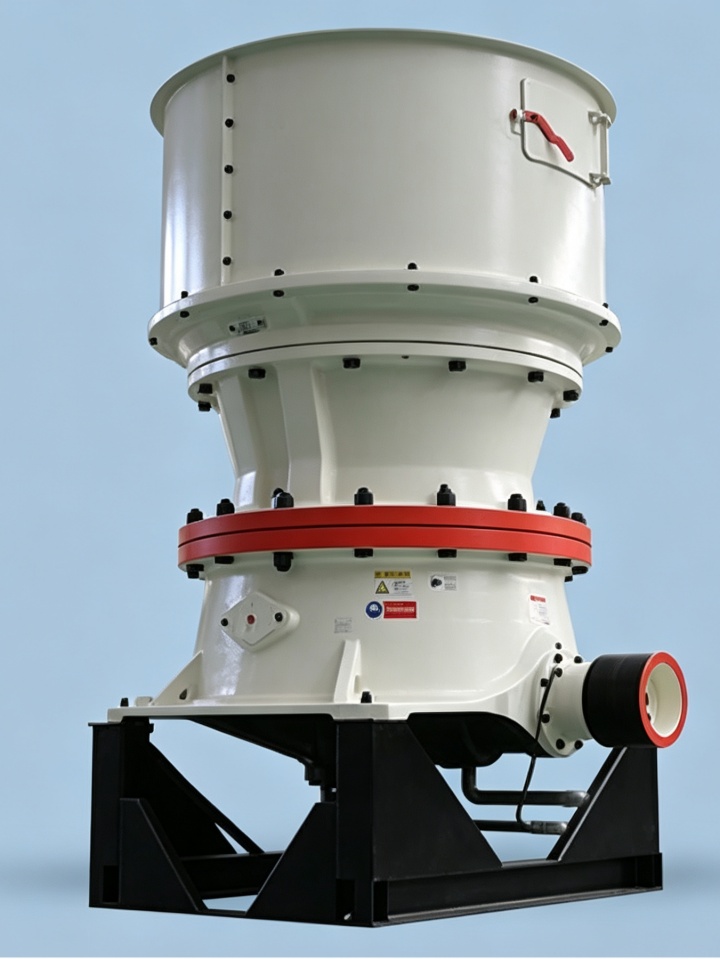
Processing capacity (t/h) and maximum feed size (mm) are the hard indicators. Higher capacity and the ability to accept larger feed blocks mean that the frame, mantle, main shaft, and other critical castings must be bigger and heavier – driving up material costs and machining complexity exponentially.Motor power (kW) is another important reference; more power requires a more expensive electrical system.
“Domestic vs. Imported” Core Components – The Main Source of Price Differences
Hydraulic system: Imported pumps and valves offer better durability and response accuracy, but they cost significantly more than domestic alternatives.
Wear parts: The material of the concave and mantle (e.g., Mn13, Mn18 high manganese steel) and the casting process directly affect service life. Higher-quality liners can last thousands of extra hours, but they also raise the initial cost.
Electrical components: Using well-known brands improves reliability and stability, which naturally adds to the price.
Brand Technology and Manufacturing Processes
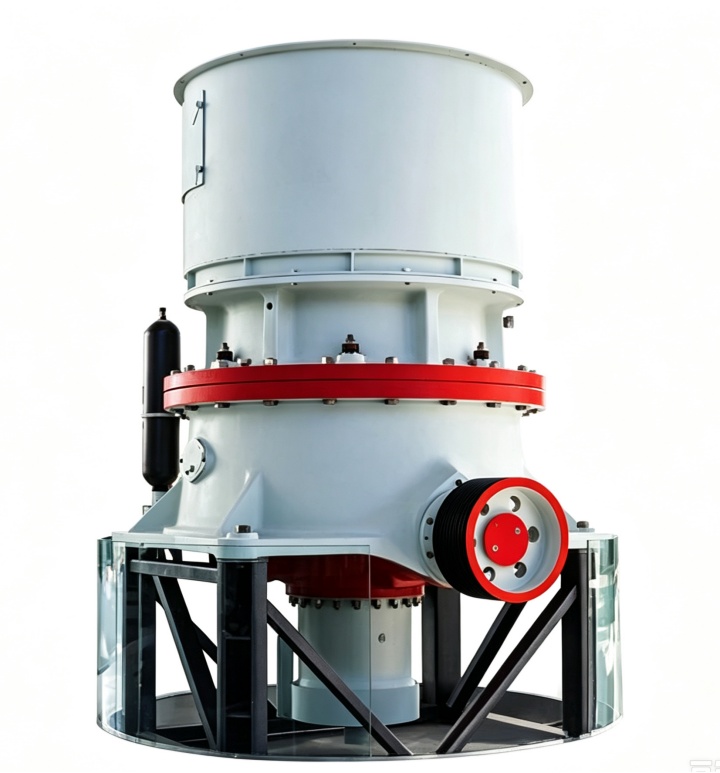
First-tier manufacturers have years of technical experience and mature production processes, ensuring better product consistency. They also provide more comprehensive installation guidance and after-sales training – all of which are reflected in the price.Smaller or assembly only factories may offer lower quotes, but they often lack strict quality control and long-term technical support, which can lead to higher failure rates over time.
Purchasing Tips – Don’t Compare Only the “Bare Machine” Price
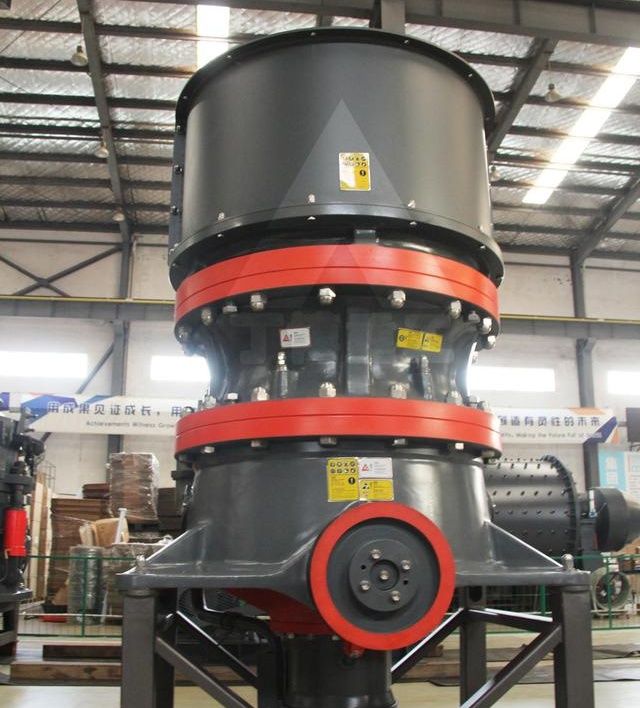
Many buyers focus solely on the equipment price and overlook these hidden costs, which can significantly affect total investment:Transport and installation: Large crushers must be shipped in pieces. On site lifting, foundation work, and assembly can add 10-15% to the total cost – even more for remote locations.
Spare parts availability: Does the supplier have a local warehouse, or must you wait for parts from the head office? Every day of downtime due to parts delay is a direct loss.
After sales response: Does the manufacturer provide on site commissioning support? How quickly can an engineer arrive in case of a breakdown? These intangible costs are essential to consider.
Single Cylinder vs. Multi Cylinder – What’s the Price Difference at the Same Specification?
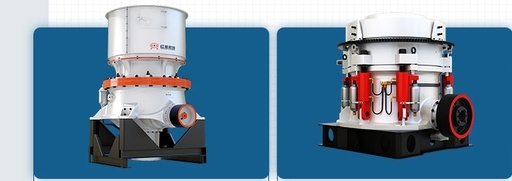
Many buyers hesitate between single and multi cylinder models. Price is a major differentiator:| Comparison | Single-Cylinder Hydraulic Cone Crusher | Multi-Cylinder Hydraulic Cone Crusher |
|---|---|---|
| Price (same spec) | 20-30% lower (e.g., a certain model costs ~$50,000 for single, ~$69,000 for multi) | Higher |
| Structure | Simple, easy maintenance | Complex, more hydraulic components |
| Suitable material | Medium-hard and below (e.g., limestone, river pebbles) | Medium-hard and above (e.g., granite, basalt) |
| Product shape | Good | Better (fewer flat/elongated particles) |
| Selection advice | Choose single if capacity <200 t/h and budget is tight | Choose multi if you need higher output and better shape; long-term benefits justify the extra cost |
Quick FAQ
Q: What is the absolute cheapest single cylinder hydraulic cone crusher?A: The lowest advertised price we’ve seen is around $6,800 (for a small model like GPD100). However, always confirm whether the quote includes the motor, hydraulic station, and electrical cabinet – many low prices are for basic configurations only.
Q: Is it worth buying a used single cylinder cone crusher?
A: Used machines can cost 30-50% of a new one, but they carry higher risks. Carefully inspect the main shaft, bronze bushings, frame, and check for repair history. We strongly recommend a professional technical assessment before purchase.
Q: How can I get the best real price from a manufacturer?
A: Provide clear details about your material type, hardness, target capacity, feed and discharge sizes. Ask at least 2-3 manufacturers for a written technical proposal with an itemised quotation – then negotiate based on those specifics.
Summary
The price of a single cylinder hydraulic cone crusher reflects a combination of parameters, configuration, brand, and service – ranging from roughly $7,000 to over $200,000. When purchasing, don’t just look at the number; understand what lies behind it. The cheapest option isn’t always the most cost effective (due to higher maintenance), and the most expensive may not be the best fit for your site.Action step: Gather your production requirements, contact 2-3 reputable suppliers, and ask for detailed configuration lists and service terms. Compare them comprehensively – that’s how you’ll secure the best value for your money.