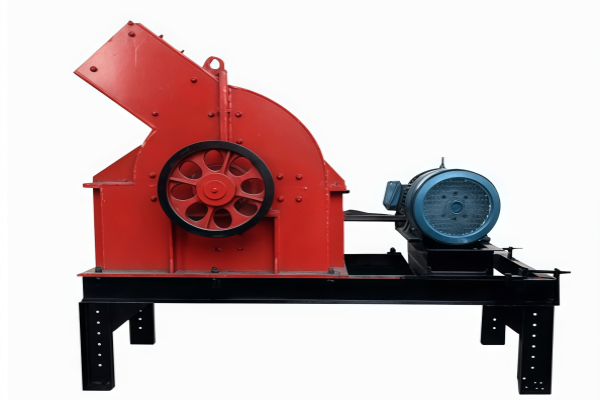
Phosphate Rock Hammer Grinder Price
Monday September-07 2026 10:18:50
When evaluating Phosphate Rock Hammer Grinder for Fertilizer Blend price, most buyers focus solely on the quotation and overlook actual operational costs. Phosphate rock has a Mohs hardness of 3 to 5, with fluctuating moisture content, and these characteristics directly affect equipment performance.
This equipment uses a high-speed rotor to drive hammers that impact and crush material against breaker plates and grate bars. To fully understand the complete picture of its price—from initial investment to long-term expenses—it is essential to analyze all contributing factors in order to make procurement decisions that protect processing margins.
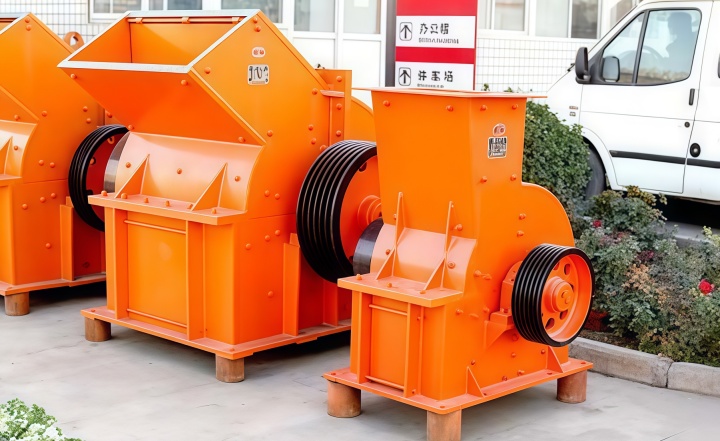
Phosphate Rock Hammer Grinder Price Ranges and Global Market
The differences in hammer grinder quotations stem from underlying configuration choices. According to a report published by Global Info Research in February 2026, global production of reversible hammer mills reached approximately 6,180 units in 2025, with a global average market price of around $68,000.
Models in the $38,000 to $62,000 range typically come standard with carbon steel rotors and basic liners, suitable for intermittent operations. Models priced above $90,000 feature AISI 4140 alloy steel rotors with chromium alloy liners, designed for continuous production conditions. The difference in price between these two tiers essentially comes down to bearing life and downtime frequency.
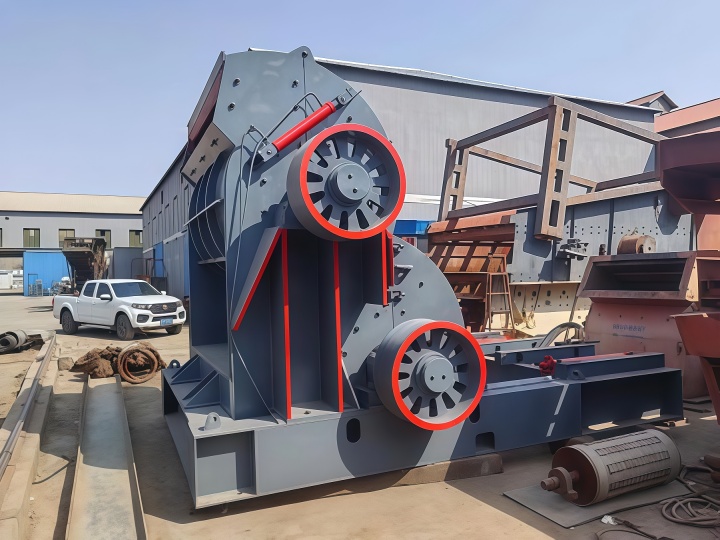
Factors That Determine Phosphate Rock Hammer Grinder Price
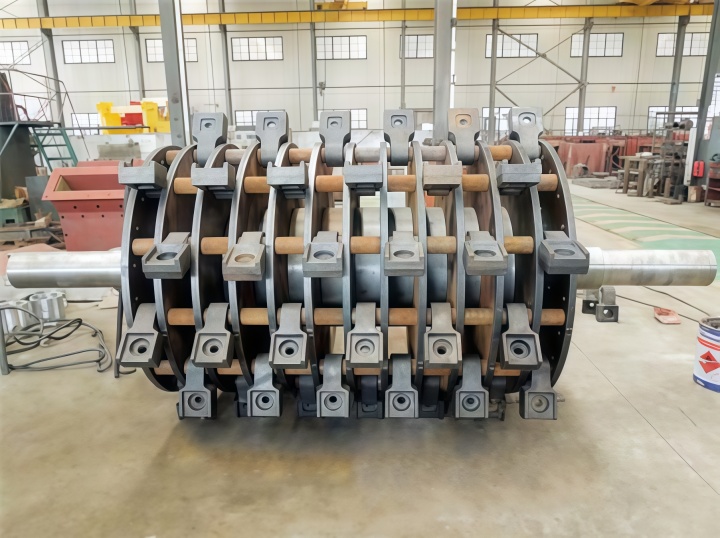
Rotor quality has a direct impact on equipment price and performance. The core advantage of a reversible hammer mill lies in its ability to reverse rotor direction, bringing the opposite cutting edge of the hammers into service without manual flipping, thus extending wear part life and reducing downtime.
A heavy-duty rotor featuring an AISI 4140 alloy steel shaft with heat-treated hammer pins effectively reduces vibration-related failures, and while it increases equipment cost, it lowers downtime costs. Wear part quality is another significant differentiator in pricing.
Data recorded at our facility during actual processing shows that high-manganese alloy hammers, after heat treatment, achieve hardness exceeding HRC55, with three times the wear resistance, extending replacement cycles from fifteen days to forty-five days, and reducing processing cost per ton by approximately $1.10. Prices that appear similar at first glance can result in vastly different total costs of ownership when hammer replacement frequency, labor costs, and production losses are factored in.
Hidden Costs That Amplify Phosphate Rock Hammer Grinder Price
Energy consumption differences compound rapidly in continuous production. Mosaic, one of the world's largest phosphate fertilizer producers, faced equipment stability issues at its Catalão phosphate processing plant in Brazil, where rod mill misalignment and leakage problems required frequent intervention, constraining overall phosphate production.
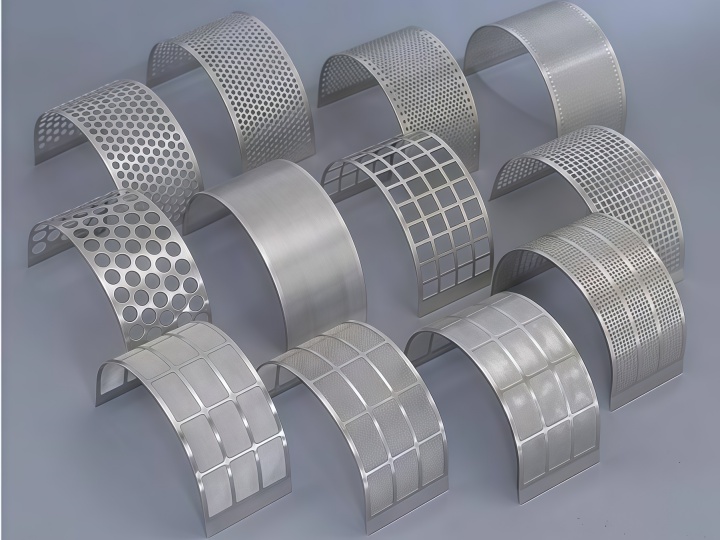
Following a 37-day planned retrofit, the equipment has achieved 99% availability since its restart in July 2024, avoiding at least 300 hours of corrective intervention downtime that had been originally projected. In a test conducted at our facility on sedimentary phosphate rock with 9.7% moisture content, the hammer grinder equipped with self-cleaning screens showed only 4% screen blockage after twelve hours of continuous operation, while the same material processed through the unit with standard grate bars reached 23% blockage after just eight hours.
This real-world comparison demonstrates that within the equipment price, the screen structure's impact on actual production efficiency is often underestimated.
Phosphate Rock Hammer Grinder Global Application Cases
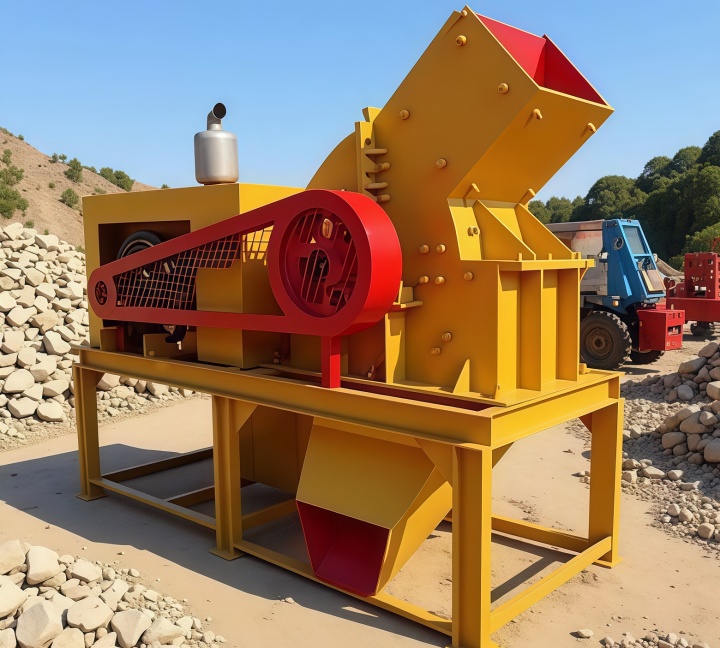
Anglo American's phosphate mine in Goiás, Brazil, which has been in operation since 1979, employs an impact hammer crusher in closed circuit with rod mills and ball mills in its crushing stage. By optimizing blasting parameters to improve feed size distribution—adjusting the drill pattern for high-hardness silicate-bearing rock from 3.0 m × 3.8 m to 2.0 m × 2.6 m—the blast P80 was reduced from 459 mm to 278 mm, a 40% reduction.
This adjustment significantly reduced energy consumption and media wear in the crushing and grinding stages. This case demonstrates the value of this equipment in large-scale phosphate mining and the determining impact of upstream feed preparation on equipment efficiency.
In the agricultural feed processing sector, a large feed mill used the same hammer mill to process phosphate rock and limestone, resulting in phosphate rock product containing over 30% fines, while the limestone product exceeded particle size specifications. For phosphate rock processing, the plant adjusted rotor speed to 3,000 RPM and used thinner hammers to control fines generation.
After adjustment, both mineral feed products achieved particle size qualification rates exceeding 95%, with customers reporting a ten-day reduction in livestock finishing cycles. This case illustrates that equipment configuration must be customized to specific material characteristics.
Phosphate Rock Hammer Grinder Selection Decision Points
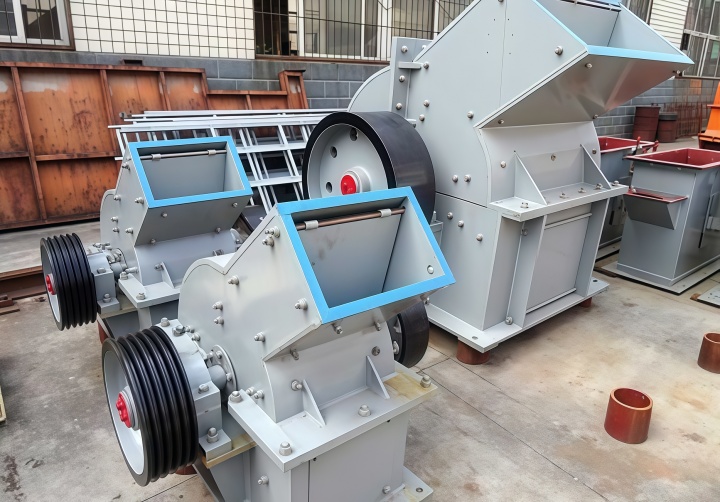
Selection of this equipment can be simplified into three core decision nodes, corresponding to three key parameters: raw material moisture content, abrasion index Ai, and daily throughput.
Node 1: Does raw material moisture exceed 10%? If yes, a model with self-cleaning screens must be selected; if no, standard grate bars are acceptable. Phosphate rock has adhesive properties, and screen blockage issues worsen rapidly at higher moisture levels.
Node 2: Is the abrasion index Ai above 0.8? If yes, hammers must be high-chromium alloy or tungsten carbide; if no, manganese steel hammers are sufficient.
Node 3: Does daily throughput exceed 200 tons? If yes, rotor width must be at least 1200 mm, with motor power no less than 200 kW. Once these three nodes are worked through, the configuration direction is essentially determined.
Phosphate Rock Hammer Grinder Technical Specifications
The rotor speed of this equipment typically ranges from 1,200 to 1,500 RPM, using the impact force of high-speed rotating hammers to break phosphate rock into smaller particles. The reversible design allows the opposite hammer face to be brought into service by reversing rotor direction without manual hammer flipping.
| Configuration Level | Applicable Phosphate Rock Type | Maximum Moisture | Hammer Material | Liner Material | Reference Price Range |
|---|---|---|---|---|---|
| Standard Configuration | Sedimentary, calcareous phosphate rock | 10% | High-manganese steel | Manganese steel liner | $38,000 – $62,000 |
| Enhanced Configuration | Mixed, moderately abrasive ore | 12% | High-chromium alloy | Chromium alloy liner | $89,000 – $120,000 |
| Heavy-Duty Configuration | Igneous, high-silica phosphate rock | 8% | Tungsten carbide | AR500 steel + chromium carbide overlay | $120,000 – $145,000 |
Equipment prices vary across different configurations based on differences in hammer material, liner grade, and whether features such as hydraulic shell opening are included.
Maximizing Phosphate Rock Hammer Grinder Return on Investment
Integrated condition monitoring features such as rotor stall detection and temperature monitoring, while increasing equipment purchase cost, help prevent failures. Records from our facility show that hammer grinders equipped with temperature and vibration monitoring achieve approximately 40% longer average bearing life compared to identical models without monitoring.
High-quality liners reduce replacement frequency and cut spare parts inventory and production loss costs—all of which should be factored into your price analysis.
Summary
In the total operating cost of phosphate rock processing, the initial purchase price of this equipment typically accounts for less than 30%, with the remaining 70% coming from energy consumption, hammer replacements, and downtime losses. Rather than haggling over a few thousand dollars on the quotation, it is better to focus on verifying the equipment's actual energy consumption data and hammer replacement frequency—these two factors are the key variables that determine three-year total costs.
This article is based on publicly verifiable industry literature, international mining company project reports, authoritative market research data, and actual measurement records from our facility in phosphate rock processing. The real-world case studies from Anglo American's Brazil phosphate mine and Mosaic's Catalão plant demonstrate that proper equipment selection and configuration optimization can deliver quantifiable operational returns.
Phosphate Rock Hammer Grinder Frequently Asked Questions
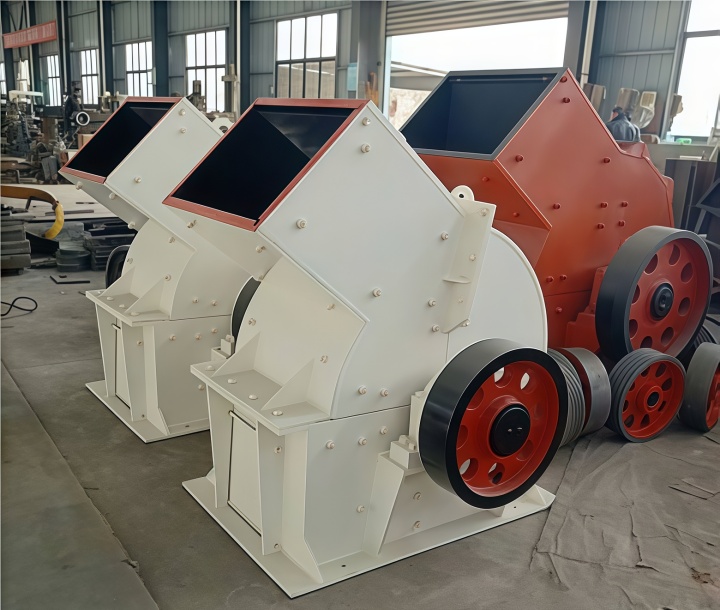
Common questions about this equipment center on five areas: price composition, hammer replacement cycles, screen blockage prevention, abnormal vibration handling, and applicable phosphate rock types.
Does the Phosphate Rock Hammer Grinder price include installation and commissioning?
Typically not; this must be confirmed separately and factored into the total budget. The global average selling price for reversible hammer mills in 2025 was approximately $68,000.
How often should hammers be replaced?
This depends on material abrasiveness. Standard carbon steel hammers last approximately fifteen days, while high-manganese alloy hammers after heat treatment can reach forty-five days.
How can screen blockage be avoided?
Phosphate rock has adhesive properties and blocks easily at higher moisture levels; models with self-cleaning screen designs are recommended.
How should abnormal vibration be handled?
This is usually caused by rotor imbalance or bearing wear; rotor stall detection and temperature monitoring systems should be considered.
Which phosphate rock types is it suitable for?
It is suitable for sedimentary, igneous, and metamorphic phosphate rocks, but hammer and liner materials must be matched to specific material characteristics, with abrasion testing recommended prior to selection.