Lime Stone Bucket Elevator | Reliable Vertical Conveying Solution
Thursday July-16 2026 13:07:35
What Is a Limestone Bucket Elevator?
A bucket elevator handles that job—it lifts crushed limestone, ore, and other dry bulk materials straight up to wherever they're needed. That's why you'll find one in just about any bulk material handling setup.
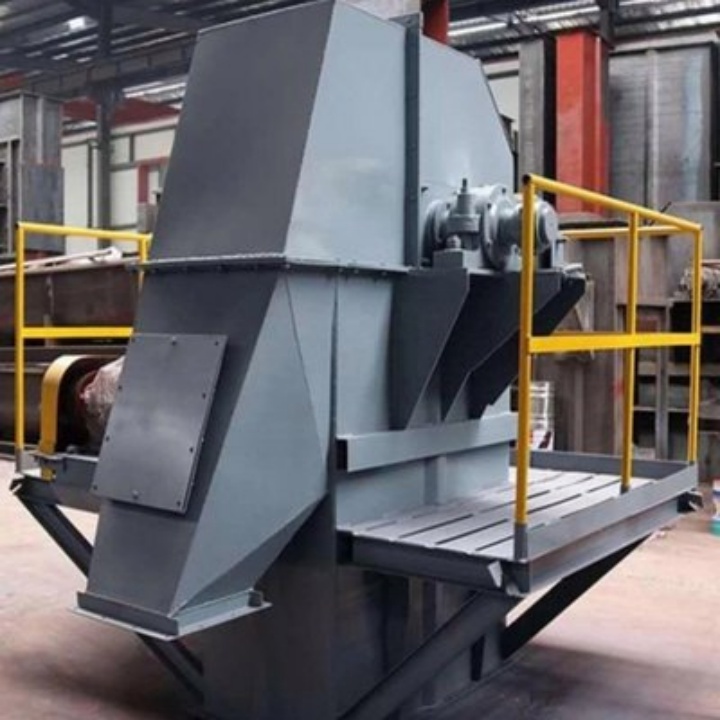
This equipment is composed of several core parts: buckets for carrying the material, chains or belts that hold the buckets and transmit power, a drive unit that powers the entire system, and auxiliary components for loading and discharging materials. The whole system is typically enclosed, which helps reduce material spillage and dust emissions.
How Does the Equipment Work?
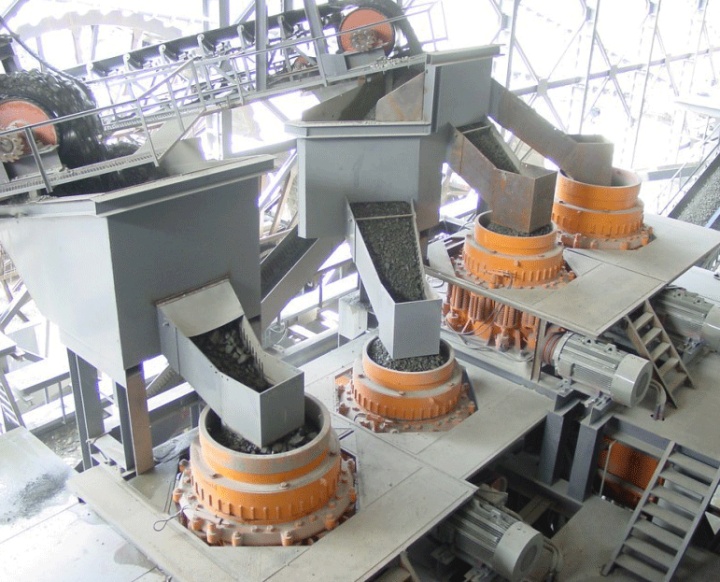
A limestone bucket elevator achieves vertical material transport through a continuous, cyclical mechanical process. The core principle involves a power source driving a traction element, which carries loaded buckets upward inside a enclosed casing and discharges the material at the top.
When the motor starts, power is transmitted through a reduction unit to the drive wheel at the head section. This drive wheel then moves the chains or belts that hold the buckets. At the bottom of the equipment, the buckets scoop up or receive the limestone material through the inlet. The loaded buckets then travel upward along the enclosed casing. When the buckets reach the drive wheel at the top, the material is thrown out of the buckets by the combined forces of centrifugal force and gravity, and is discharged through the outlet, completing the entire vertical lifting cycle. This process repeats continuously, enabling the steady conveying of materials.
What Problems Can It Solve for You?
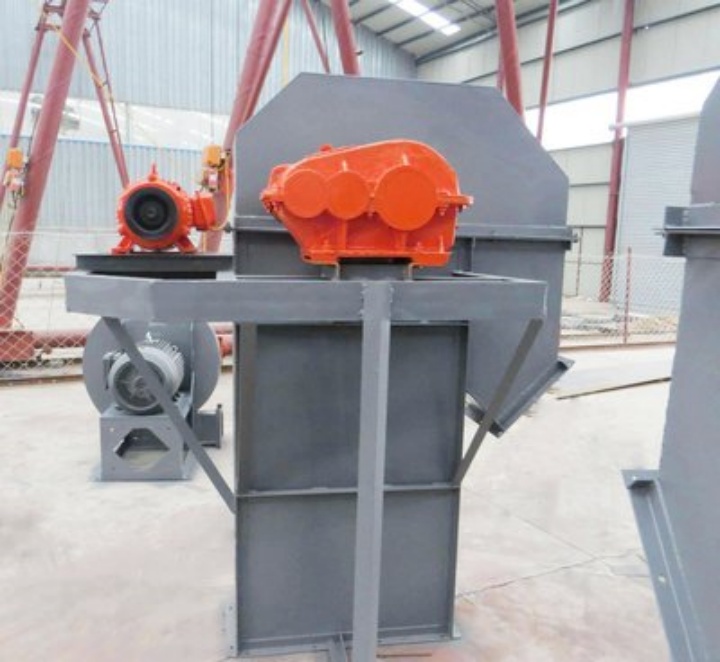
Choosing the right conveying equipment depends on whether it effectively addresses the pain points in your production process. A limestone bucket elevator offers reliable solutions in areas such as vertical transport, adaptability to various working conditions, space utilization, and operational maintenance.
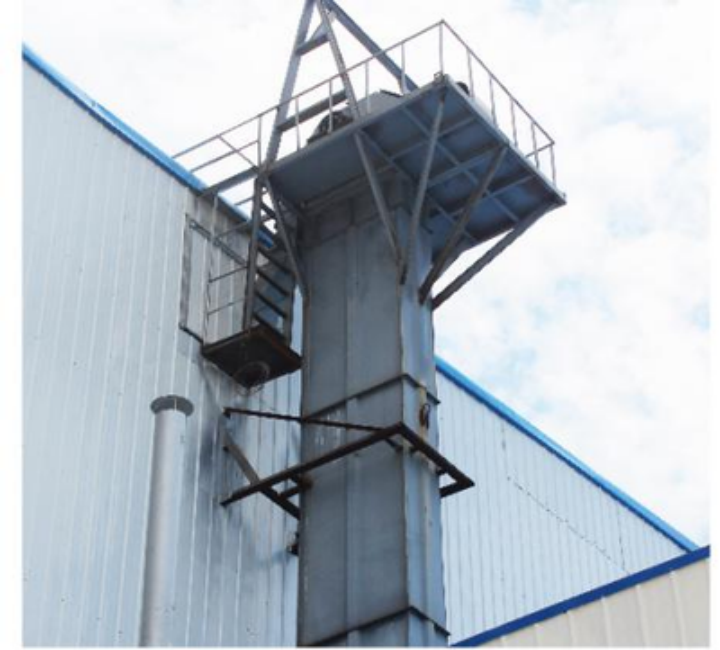
Solves vertical conveying challenges: It can steadily and continuously lift large quantities of limestone material to heights of several dozen meters, providing a consistent material supply for downstream processes like cement production and ore processing. This is especially vital for production lines that need to feed materials into blast furnaces or elevated storage bins.
Highly adaptable to diverse conditions: Whether it is fine limestone powder or granular limestone with particle sizes up to around fifty millimeters, this equipment can handle it effectively. It can convey not only ordinary materials but also abrasive limestone, making it widely applicable in industries such as building materials, metallurgy, chemicals, and mining.
Compact structure saves space: Compared to inclined conveyors, a bucket elevator uses a vertical lifting method, occupying a smaller footprint and making more efficient use of a facility's vertical space.
Stable operation and easy maintenance: Thanks to its relatively simple structure and mature manufacturing technology, this type of equipment can maintain stable operation when properly installed and used. Routine maintenance tasks are also fairly straightforward.
What Types Are Available?
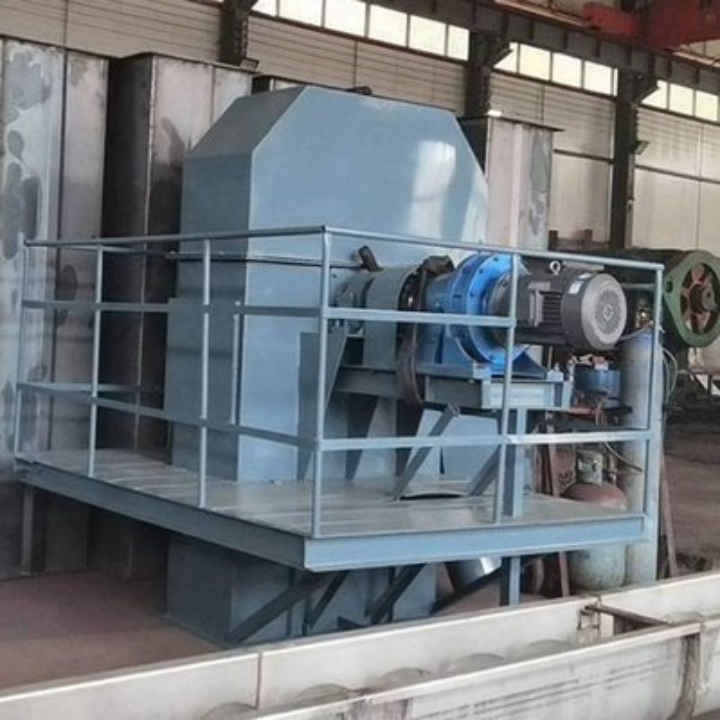
Based on the different traction components that carry the buckets, bucket elevators are mainly divided into two categories: belt type and chain type. These two types differ in load capacity, durability, and suitable materials. Understanding these differences will help you make a more informed choice.
Belt bucket elevator: Uses a rubber belt as the traction element. It operates with relatively low noise and is more cost-effective. It is suitable for conveying materials with lower density and less abrasiveness, and is widely used in handling grains and other light, granular materials.
Chain bucket elevator: Uses high-strength chains, offering greater load capacity and durability. It is better suited for dense and abrasive materials like limestone. In heavy industries such as mining and cement production, the chain type is the more common choice. The plate chain variety, in particular, features a robust structure suitable for long-term operation under challenging conditions.
What Are Its Specific Applications?
A limestone bucket elevator does not operate in isolation; it functions as a component within a larger production system. It can play its vertical conveying role in various stages, from the gap between crushing and screening, to storage and reclaiming, feeding grinding equipment, and loading finished products.
Between crushing and screening processes: Lifts the primarily crushed limestone to screening equipment or secondary crushers for further processing at different stages.
In storage and reclaiming: Transports limestone from stockpiles or underground hoppers to elevated storage silos, enabling three-dimensional material storage.
Feeding grinding equipment: Steadily supplies limestone to grinding mills such as vertical mills or ball mills, serving as a preparatory step in producing cement or lime powder.
Loading and packaging: Can also be used for the final vertical conveying when finished limestone powder or granules need to be loaded into trucks or packaging machinery for dispatch.
How to Choose the Right Equipment for Your Needs?
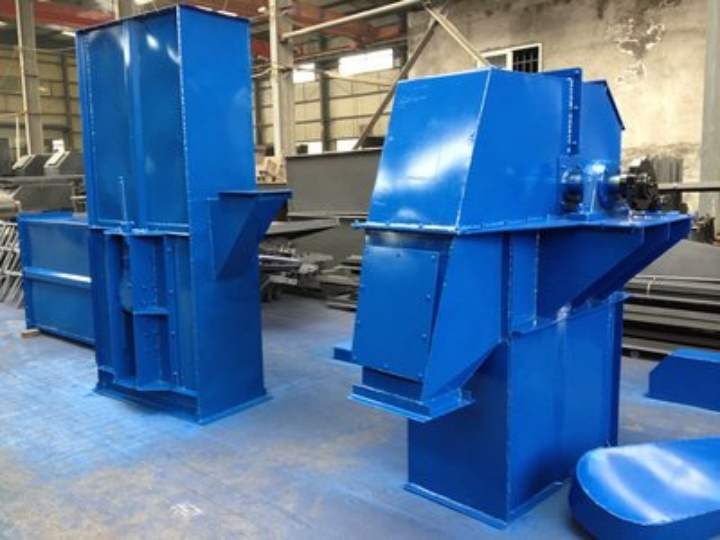
Selecting a suitable piece of equipment requires a comprehensive review of your actual production conditions. You can start by clarifying your needs around conveying capacity, lifting height, material characteristics, and the drive and traction method, and then communicate these details effectively with your supplier.
What conveying capacity do you require? That is, how many tons or cubic meters of limestone need to be lifted per hour. This is the core basis for selecting the right equipment model. Different models offer conveying capacities ranging from several cubic meters to several hundred cubic meters per hour.
What is your required lifting height? This is the vertical distance from the inlet to the outlet. This determines the overall dimensions of the equipment and the required motor power.
What are the characteristics of your material? This includes the particle size distribution of the limestone, its bulk density, moisture content, and abrasiveness. These factors will influence whether wear-resistant designs for the buckets and casing are necessary.
Which drive and traction method do you prefer?Based on your budget and specific working conditions, you can choose between belts and chains, as well as the appropriate combination of motor and gearbox.
How to Select the Right Model Based on Technical Specifications?
Understanding the meaning and typical ranges of each technical parameter is a critical step in translating your production requirements into specific equipment specifications. The table below summarizes the core parameters of a limestone bucket elevator along with their common value ranges for your initial reference.
| Parameter | Unit | Typical Range / Options | Description & Notes |
|---|---|---|---|
| Conveying Capacity | Cubic meters per hour | Five to Eight Hundred | The volume of material the equipment can lift per hour. The actual value depends on material characteristics. Base your selection on the peak demand of your production line. |
| Maximum Lifting Height | Meters | Thirty to Fifty | The vertical distance from the inlet to the outlet. Determined by the site layout. Customized models with greater height are available for special requirements. |
| Maximum Allowable Material Particle Size | Millimeters | Thirty to Eighty | The largest material lump size the equipment can handle effectively. If the material exceeds this size, it may cause blockages or equipment damage. |
| Bucket Volume | Liters | Five to Forty | The volume of a single bucket. Together with bucket spacing, this determines the conveying capacity. Different bucket types (e.g., deep or shallow) are available based on material properties. |
| Bucket Spacing | Millimeters | Three Hundred to Six Hundred | The distance between two adjacent buckets. Smaller spacing increases the loading amount per unit length but may cause more material spillage during discharge. |
| Traction Component Type | Belt / Plate Chain / Ring Chain | Plate chain or ring chain is recommended due to its higher load capacity and durability, making it suitable for long-term conveying of abrasive materials like limestone. | |
| Motor Power | Kilowatts | Seven point Five to One Hundred Ten |
Directly related to conveying capacity, lifting height, and material density. Note: The values in this table are for reference only. The actual power required must be calculated by the supplier based on your specific operating conditions. |
Frequently Asked Questions
Here are answers to some typical questions regarding the wear, dust control, installation, and maintenance of limestone bucket elevators, to help you quickly grasp key information.
Question: Is the material likely to accumulate at the bottom of the elevator during operation?
Answer: With a well-designed tensioning device and inlet at the bottom, material accumulation can be effectively prevented. Regular inspections and cleaning are also key to maintaining a clear bottom. Some models are equipped with anti-blockage or material flow detection sensors.
Question: How severe is the wear when lifting abrasive materials like limestone?
Answer: For highly abrasive materials, you can choose to install wear-resistant liners inside the buckets and casing, or use components made of wear-resistant materials like manganese steel. This can significantly extend the service life of the equipment.
Question: Does the equipment generate a lot of dust during operation?
Answer: Modern bucket elevators typically use well-sealed casings and can be equipped with dust extraction connections at necessary points, effectively controlling dust emissions to meet environmentally friendly production requirements.
Question: Is the equipment difficult to install?
Answer: The equipment features a modular design, with components connected by flanges. During installation, ensuring a level foundation at the bottom and vertical alignment of the intermediate sections is critical. This work is generally carried out under the guidance of technical personnel.
Summary
The limestone bucket elevator has proven itself as a reliable workhorse in bulk material handling. Its basic operating principle is straightforward: chains or belts drive a series of buckets in a continuous loop, lifting materials vertically from the bottom to the discharge point at the top. For different material properties and operating conditions, various configurations are available, including options with enhanced wear resistance. When selecting a unit, the key factors to consider are the required conveying capacity, the total lifting height, and the specific characteristics of the material to be handled. Matching these parameters to the appropriate model is the foundation of a successful installation. For applications with unique or demanding requirements, consulting directly with the equipment supplier is the best way to ensure a complete and effective solution.